Need help?
Do you have a question about the ACIQ ACiQ-24-EHPB and is the answer not in the manual?
Essential guidelines for connecting refrigerant lines, including size and brazing procedures.
Location and recommended settings for DIP switches on the outdoor unit's circuit board for proper function.
Configuration settings for thermostats in dual fuel systems, including system type and reversing valve.
Illustrates typical wiring connections between thermostat, furnace, and ACiQ heat pump for dual fuel setup.
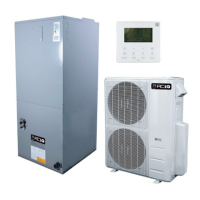
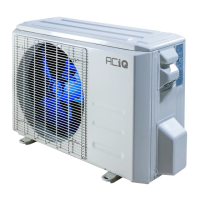
This document serves as a Quick Start Guide for the ACiQ Next Gen Heat Pump Condenser, specifically designed for dual fuel applications. It outlines the essential requirements, connections, and wiring instructions for setting up a dual fuel system that combines an ACiQ heat pump or AC unit with a third-party furnace and coil.
The ACiQ Next Gen Heat Pump Condenser is engineered to provide efficient heating and cooling as part of a dual fuel system. In this configuration, the heat pump primarily handles heating in most conditions, significantly reducing winter heating costs compared to traditional setups. The furnace acts as a backup heat source, engaging only during extremely low temperatures when the heat pump's efficiency might be compromised. This intelligent system design ensures optimal comfort while prioritizing energy efficiency. For cooling, the system operates like a standard air conditioning unit, leveraging the heat pump's capabilities to remove heat from the indoor environment. The dual fuel approach offers a versatile and cost-effective solution for year-round climate control, adapting to varying outdoor temperatures to maintain a comfortable indoor environment.
The ACiQ Next Gen Heat Pump Condenser is designed for integration into a dual fuel system, offering several key usage features that enhance its performance and user experience.
Dual Fuel Operation: The primary feature is its ability to seamlessly switch between the heat pump and a backup furnace. The heat pump is the primary heating source, operating efficiently in a wide range of temperatures. When outdoor temperatures drop to extreme lows, the system automatically transitions to the furnace for supplemental heat, ensuring continuous comfort. This intelligent switching mechanism is managed by a compatible 24-volt heat pump thermostat.
Energy Efficiency: By utilizing the heat pump for most heating needs, the system dramatically reduces energy consumption and associated costs. Heat pumps are inherently more efficient than furnaces in moderate temperatures, as they transfer heat rather than generating it. The dual fuel setup optimizes this efficiency by only engaging the furnace when absolutely necessary.
Compatibility with Third-Party Components: The system is designed to work with third-party furnaces and indoor coils, offering flexibility in system design and component selection. This allows users to integrate the ACiQ condenser into existing HVAC setups or choose components that best suit their specific needs and budget.
Thermostat Control: A 24-volt heat pump thermostat with at least two stages of heating and two stages of cooling is required for proper operation. This thermostat must also include an outdoor temperature sensing feature (wired, wireless, or internet-based) to enable the intelligent switching between the heat pump and furnace. The thermostat's "Installer Setup" or "Advanced Options" mode allows for configuration of system type (dual fuel), reversing valve operation (energized in heating mode), backup heat type (gas/oil furnace), and lockout/switchover temperatures. The lockout temperature determines the point at which the heat pump yields to the furnace, balancing efficiency and comfort.
Multi-Stage Heating and Cooling: The system supports multi-stage operation, allowing for more precise temperature control and enhanced comfort. With two stages of heating and cooling, the system can modulate its output to match the demand, preventing large temperature swings and optimizing energy usage.
Quiet Operation: While not explicitly detailed in the guide, modern heat pump condensers are typically designed for quiet operation, minimizing noise disruption both indoors and outdoors.
Adaptability to Climate: The dual fuel system is particularly beneficial in climates with significant temperature variations, where a heat pump alone might struggle during the coldest periods. The furnace provides reliable backup heat, ensuring comfort even in harsh winter conditions.
Simplified Installation with Adaptors: The system comes with copper adaptors that thread onto the outdoor unit, featuring a female sweat connection for brazing the line set. This design simplifies the connection process for installers.
Proper maintenance is crucial for the longevity and efficient operation of the ACiQ Next Gen Heat Pump Condenser and the overall dual fuel system. While the guide primarily focuses on installation, it implicitly highlights several aspects related to maintenance and system care.
Professional Installation and Servicing: The document strongly emphasizes that only a licensed and certified HVAC professional (section 608-certified) should complete the installation of this equipment. This ensures that the system is set up correctly, reducing the likelihood of future issues and maintaining warranty validity. Professional servicing is also recommended for ongoing maintenance, including routine inspections and performance checks.
Refrigerant Line Set Integrity: The guide stresses the importance of proper refrigerant line set installation, including specific requirements for line set sizes (3/8" liquid line and 3/4" suction line). It also highlights the critical step of purging with nitrogen during brazing to prevent abrasive, oxidative buildup that can shorten the compressor's life and void the warranty. This preventative measure is a key maintenance consideration during installation.
Leak Detection and Prevention: To ensure no leaks are present, the guide recommends starting the unit in heating mode and re-torquing the flare adaptors while the unit is hot. Using a digital torque wrench is advised for accuracy. Regular checks for refrigerant leaks are a standard part of HVAC maintenance, contributing to the system's efficiency and environmental responsibility.
Indoor Coil Compatibility and Sizing: The indoor coil must be heat pump compatible with a Thermostatic Expansion Valve (TXV) and correctly sized to match or slightly oversize the outdoor unit's nominal BTU capacity. Proper sizing and TXV functionality are critical for efficient heat transfer and overall system performance, preventing strain on the compressor and extending its lifespan.
Thermostat Configuration: The thermostat's "Installer Setup" and "Advanced Options" allow for fine-tuning of the system's operation, including lockout/switchover temperatures. Correct configuration ensures that the heat pump and furnace operate optimally, preventing unnecessary wear and tear on either component. Regular review of these settings can help maintain efficiency as environmental conditions or user preferences change.
Component Longevity: By ensuring proper installation, refrigerant handling, and system configuration, the lifespan of the compressor and other critical components is maximized. The dual fuel design itself contributes to longevity by reducing the operational load on the heat pump during extreme cold, where it would otherwise work harder and potentially experience more wear.
Regular System Checks: Although not explicitly detailed as a maintenance feature, the presence of DIP switches on the outdoor unit's circuit board implies that technicians can access and adjust settings for diagnostic purposes or to optimize performance during servicing. The display tube and check button also suggest built-in diagnostic capabilities that can aid in troubleshooting.
In summary, while the guide is primarily for initial setup, it underscores the importance of professional expertise, meticulous installation practices, and correct component integration as foundational elements for effective long-term maintenance and reliable operation of the ACiQ Next Gen Heat Pump Condenser in a dual fuel system.
 General
| Cooling Capacity | 24, 000 BTU |
|---|---|
| Heating Capacity | 24, 000 BTU |
| HSPF | 10 |
| Voltage | 208-230V |
| Phase | 1 |
| Refrigerant | R410A |

 To Next Page