EasyManua.ls Logo

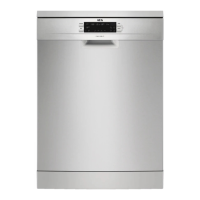
AEG FFB63700PM - User Manual

AEG FFB63700PM
28 pages
Print Icon
To Next Page IconTo Next Page
Loading...
USER
MANUAL
EN User Manual
Dishwasher
FFB63700PM
Question and Answer IconNeed help?

Do you have a question about the AEG FFB63700PM and is the answer not in the manual?

Summary

1. Safety Information

1.1 Children and vulnerable people safety

Safety precautions for children and vulnerable individuals.

1.2 General Safety

General safety guidelines for appliance usage.

2. Safety Instructions

2.1 Installation

Instructions for safely installing the dishwasher.

2.2 Electrical connection

Guidelines for safe electrical connection of the appliance.

2.3 Water connection

Procedures for connecting the water supply.

2.4 Use

Guidelines for proper and safe operation of the dishwasher.

2.5 Service

Information on obtaining service and using spare parts.

2.6 Disposal

Safe procedures for disposing of the appliance.

3. Product Description

4. Control Panel

4.1 Indicators

Details on various indicator lights and their meanings.

5. Programmes

5.1 Consumption values

Table detailing water, energy, and duration for each programme.

5.2 Information for test institutes

Contact details for obtaining performance test information.

6. Settings

6.1 Programme selection mode and user mode

Guide to navigating programme selection and user modes.

6.2 The water softener

Explanation of the water softener and how to adjust its level.

6.3 The rinse aid empty notification

How to manage the rinse aid warning indicator.

6.4 The rinse aid level

Instructions for adjusting the amount of rinse aid dispensed.

6.5 AirDry

Explanation of the AirDry function for improved drying.

7. Options

7.1 XtraDry

Details on the XtraDry option for better drying performance.

7.2 TimeSaver

How to use the TimeSaver option to shorten programme duration.

7.3 ExtraHygiene

Information on the ExtraHygiene option for improved sanitation.

8. Before First Use

8.1 The salt container

How to fill and use the salt container for water softening.

8.2 How to fill the rinse aid dispenser

Step-by-step guide to filling the rinse aid dispenser.

9. Daily Use

9.1 Using the detergent

Instructions on how to correctly add detergent to the appliance.

9.2 Setting and starting a programme

Guide to selecting and initiating a wash programme.

10. Hints and Tips

10.1 General

General advice for efficient use and environmental protection.

10.2 Using salt, rinse aid and detergent

Best practices for using cleaning agents and additives.

10.3 What to do if you want to stop using multi-tablets

Procedure for switching from multi-tablets to separate additives.

10.4 Loading the baskets

How to properly load dishes into the dishwasher baskets.

10.5 Before starting a programme

Pre-programme checks for optimal performance.

11. Care and Cleaning

11.1 Cleaning the filters

Step-by-step guide to cleaning the dishwasher's filter system.

11.2 Cleaning the upper spray arm

Instructions for cleaning the upper spray arm to maintain wash performance.

11.3 External cleaning

How to clean the exterior surfaces of the dishwasher.

11.4 Internal cleaning

Guide to cleaning the interior components and seals.

12. Troubleshooting

12.1 The washing and drying results are not satisfactory

Troubleshooting steps for poor washing and drying outcomes.

13. Technical Information

14. Electrolux; AEG Major Appliances - Warranty Conditions

15. Environmental Concerns

Summary

1. Safety Information

1.1 Children and vulnerable people safety

Safety precautions for children and vulnerable individuals.

1.2 General Safety

General safety guidelines for appliance usage.

2. Safety Instructions

2.1 Installation

Instructions for safely installing the dishwasher.

2.2 Electrical connection

Guidelines for safe electrical connection of the appliance.

2.3 Water connection

Procedures for connecting the water supply.

2.4 Use

Guidelines for proper and safe operation of the dishwasher.

2.5 Service

Information on obtaining service and using spare parts.

2.6 Disposal

Safe procedures for disposing of the appliance.

3. Product Description

4. Control Panel

4.1 Indicators

Details on various indicator lights and their meanings.

5. Programmes

5.1 Consumption values

Table detailing water, energy, and duration for each programme.

5.2 Information for test institutes

Contact details for obtaining performance test information.

6. Settings

6.1 Programme selection mode and user mode

Guide to navigating programme selection and user modes.

6.2 The water softener

Explanation of the water softener and how to adjust its level.

6.3 The rinse aid empty notification

How to manage the rinse aid warning indicator.

6.4 The rinse aid level

Instructions for adjusting the amount of rinse aid dispensed.

6.5 AirDry

Explanation of the AirDry function for improved drying.

7. Options

7.1 XtraDry

Details on the XtraDry option for better drying performance.

7.2 TimeSaver

How to use the TimeSaver option to shorten programme duration.

7.3 ExtraHygiene

Information on the ExtraHygiene option for improved sanitation.

8. Before First Use

8.1 The salt container

How to fill and use the salt container for water softening.

8.2 How to fill the rinse aid dispenser

Step-by-step guide to filling the rinse aid dispenser.

9. Daily Use

9.1 Using the detergent

Instructions on how to correctly add detergent to the appliance.

9.2 Setting and starting a programme

Guide to selecting and initiating a wash programme.

10. Hints and Tips

10.1 General

General advice for efficient use and environmental protection.

10.2 Using salt, rinse aid and detergent

Best practices for using cleaning agents and additives.

10.3 What to do if you want to stop using multi-tablets

Procedure for switching from multi-tablets to separate additives.

10.4 Loading the baskets

How to properly load dishes into the dishwasher baskets.

10.5 Before starting a programme

Pre-programme checks for optimal performance.

11. Care and Cleaning

11.1 Cleaning the filters

Step-by-step guide to cleaning the dishwasher's filter system.

11.2 Cleaning the upper spray arm

Instructions for cleaning the upper spray arm to maintain wash performance.

11.3 External cleaning

How to clean the exterior surfaces of the dishwasher.

11.4 Internal cleaning

Guide to cleaning the interior components and seals.

12. Troubleshooting

12.1 The washing and drying results are not satisfactory

Troubleshooting steps for poor washing and drying outcomes.

13. Technical Information

14. Electrolux; AEG Major Appliances - Warranty Conditions

15. Environmental Concerns

Overview

This document is a user manual for an AEG FFB63700PM dishwasher, providing comprehensive instructions for its safe installation, operation, maintenance, and troubleshooting.

The dishwasher is designed for household and similar applications, such as farmhouses, staff kitchen areas in shops and offices, and residential environments like hotels and bed & breakfasts. It is capable of accommodating up to 15 place settings.

Function Description

The AEG FFB63700PM is a dishwasher that offers various washing programs and options to ensure optimal cleaning and drying results while being energy efficient. Key components include a worktop, top, upper, and lower spray arms, filters, a rating plate, salt container, air vent, rinse aid dispenser, detergent dispenser, and upper and lower baskets, along with a cutlery drawer.

The control panel features an on/off button, program button, program indicators, a display, a delay button, an option button, indicators for various functions, and a start button. The indicators provide visual feedback on the appliance's status, including washing, rinsing, and drying phases, end of program, TimeSaver, XtraDry, rinse aid, salt, delay, and ExtraHygiene.

The dishwasher includes a water softener system that removes minerals from the water supply, which is crucial for preventing negative effects on washing results and the appliance itself. The water softener level can be adjusted based on the local water hardness. The appliance also features a rinse aid dispenser to aid in drying and prevent streaks and stains.

Several programs are available to cater to different types and degrees of soil:

  • ECO: A standard program for normal soil, crockery, and cutlery, offering efficient water and energy consumption.
  • AUTO: Automatically adjusts temperature and water quantity based on the degree of soil and load size, suitable for all types of crockery, cutlery, pots, and pans.
  • Mixed Soil Program: Designed for mixed soil loads, with higher water pressure and temperature in the lower basket for heavily soiled items.
  • Heavy Soil Program: For heavily soiled items, utilizing high water pressure and temperature.
  • Delicate Program: Provides special care for delicate items and glassware with controlled water temperature.
  • 30MIN: A short program for fresh or lightly soiled loads.
  • SILENT: The quietest program, operating at a very low speed, resulting in a longer duration.

Usage Features

To operate the dishwasher, users must first ensure the water tap is open and the appliance is activated. Before loading, larger food residues should be removed from dishes, and pre-rinsing by hand is not necessary. Dishes should be loaded to allow water to reach all items, with hollow items facing downwards and glasses not touching each other. Light items should be placed in the upper basket, and cutlery in the cutlery drawer. The spray arms must be able to move freely.

Detergent, salt, and rinse aid should be added to their respective dispensers. The manual specifies using only dishwasher-specific salt and rinse aid. The detergent dispenser has a main wash compartment and an inner part for prewash detergent if the program includes one.

Programs can be set by repeatedly pressing the program button until the desired program indicator is on. The display will show the program duration. Options like XtraDry, TimeSaver, and ExtraHygiene can be activated before starting a program.

  • XtraDry: Boosts drying performance and is a permanent option for most programs, except ECO.
  • TimeSaver: Reduces program duration by approximately 50% without compromising washing results, though drying results may decrease.
  • ExtraHygiene: Provides enhanced hygiene by maintaining a temperature of 70°C for at least 10 minutes during the final rinsing phase.

The appliance supports a delay start function, allowing users to set a desired delay time from 1 to 24 hours. Opening the door during a program will pause the appliance, which resumes after the door is closed. However, if the door is opened for more than 30 seconds during the drying phase (unless by the AirDry function), the program ends.

The AirDry function automatically opens the door during the drying phase to improve drying results with less energy consumption. Users are advised not to close the door within 2 minutes of automatic opening to prevent damage. This feature can be deactivated if children have access to the appliance.

Maintenance Features

Regular maintenance is essential for optimal performance. Before any maintenance, the appliance should be deactivated, and the mains plug disconnected.

  • Filter Cleaning: The filter system, consisting of three parts, should be checked regularly and cleaned if necessary. This involves turning and removing the filter, separating its components, washing them under running water, and ensuring no food residues remain in the sump. The filters must be reassembled and locked correctly to prevent poor washing results and damage.
  • Spray Arm Cleaning: The upper spray arm should be cleaned regularly to prevent soil from clogging the holes, which can lead to unsatisfactory washing results. The spray arm can be detached from the upper basket by pressing it upwards and turning it clockwise, then washed under running water, using a pointed tool to clear any clogged holes. Reinstallation involves pressing it upwards and turning it counterclockwise until it locks.
  • External Cleaning: The appliance exterior should be cleaned with a moist, soft cloth and neutral detergents. Abrasive products, cleaning pads, or solvents should not be used.
  • Internal Cleaning: The interior, including the rubber gasket of the door, should be cleaned with a soft damp cloth. A dishwasher-specific cleaning product should be used at least once a month to maintain performance. Abrasive products, sharp tools, strong chemicals, scourers, or solvents should be avoided. Running long-duration programs at least twice a month is recommended to prevent grease and limescale buildup, especially if short-duration programs are used frequently.

The manual also provides troubleshooting guidance for common issues, such as the appliance not activating, programs not starting, water filling or draining problems, rattling noises, and unsatisfactory washing or drying results. It advises users to check various factors like power connection, door closure, water tap, filters, and loading arrangement before contacting an Authorized Service Centre.

AEG FFB63700PM Specifications

General IconGeneral
Door colorStainless steel
Control typeButtons
Product sizeFull size (60 cm)
Built-in displayYes
Inlet hose length1.8 m
Custom panel-readyNo
Appliance placementFreestanding
Drying class-
Annual water consumption- L
Annual energy consumption- kWh
Cycle time235 min
Noise level48 dB
Delay start (max)24 h
Dishwashing programs30min 60°C, Auto 45-70°C, Eco, Intensive, Silent
Number of place settings15 place settings
Number of washing programs7
Number of temperature settings5
Current10 A
Connected load1950 W
AC input voltage220 - 240 V
Energy efficiency scaleA to G
Power consumption (off)0.5 W
Water consumption per cycle11 L
Energy consumption per cycle0.857 kWh
Weight and Dimensions IconWeight and Dimensions
Depth610 mm
Width596 mm
Height850 mm

Related product manuals