The Apera Instruments 201-C pH Electrode is a specialized sensor designed for accurate pH measurements in general water solutions. It features a proprietary lithium glass membrane, which contributes to fast and stable readings. A key design aspect is its gel inner reference solution, eliminating the need for refilling, which simplifies maintenance and operation. This electrode is a crucial component for pH meters, providing the sensing element necessary for determining the acidity or alkalinity of a liquid.
Function Description:
The primary function of the 201-C pH Electrode is to measure the pH level of a solution. It achieves this by sensing the hydrogen ion activity in the sample. The lithium glass membrane is specifically engineered to provide a quick and stable response, making it suitable for various applications where precise pH readings are required. The electrode is designed to be connected to a pH meter via a BNC connector, transmitting the electrical signal generated by the pH difference to the meter for display and analysis. While versatile, it's important to note its limitations: it may not perform optimally in long-term high-temperature solutions (above 50°C or 122°F), frequent testing in strong alkaline (>12 pH) or strong acid (<2 pH) solutions, low ionic strength solutions (such as distilled or deionized water), or caustic solutions that could corrode its polycarbonate housing. These limitations highlight the importance of understanding the electrode's intended use and environmental constraints for optimal performance and longevity.
Important Technical Specifications:
- Range: 0 to 14 pH, covering the full spectrum of acidity and alkalinity.
- Housing: Made of Polycarbonate, providing durability and resistance to certain chemicals.
- Junction: Single ceramic, contributing to stable reference potential and consistent readings.
- Reference electrode: Ag/AgCl (Silver/Silver Chloride), a common and reliable reference system.
- Reference solution: Gel KCL, a non-refillable gel electrolyte that simplifies maintenance.
- Connector: BNC, a standard coaxial connector for pH electrodes, ensuring broad compatibility with pH meters.
- Cable length: 3 Ft, offering a reasonable reach for various setups.
- Dimension: Ø12*160 mm, a standard size for laboratory and field use.
- Temperature sensor: N/A, indicating that this electrode does not have an integrated temperature sensor and would require a separate temperature probe for temperature compensation if needed.
- Operating temperature: 32 to 176°F (0 - 80°C), defining the safe and effective temperature range for operation.
Usage Features:
The installation and usage of the 201-C pH Electrode are straightforward, designed for user convenience.
- Installation: The electrode connects to a pH meter via a BNC socket. Users simply open the rubber cap on the pH meter's BNC socket (typically labeled "pH ORP"), insert the electrode's blue BNC connector, and twist clockwise until it locks securely.
- Calibration: After installation, a 3-point calibration with the pH meter is mandatory to ensure the accuracy of measurements. This process involves calibrating the electrode at multiple pH points (e.g., pH 4, 7, and 10) using standard buffer solutions.
- Pre-measurement Preparation: Before taking a measurement, the storage bottle cap on top of the electrode must be loosened, and the electrode pulled out with a counterclockwise twist. The pH glass sensor tip is kept immersed in storage solution within this bottle to maintain its sensitivity. The storage bottle should be placed in a safe position.
- Rinsing: The electrode must be rinsed with purified water (distilled or deionized water) before and after each use and calibration. Excess water should be shaken off or blotted dry with a clean tissue or filter paper; the glass membrane should never be rubbed.
- Measurement: To measure, the electrode is inserted into the sample solution and stirred for a few seconds to dislodge any potential air bubbles that could cause unstable readings. Once the reading stabilizes, the measurement can be taken.
- Post-measurement Storage: After use, the electrode should be reinserted into its storage bottle with a clockwise twist, and the bottle cap tightened. If the KCL storage solution (SKU: AI1107) in the cap becomes contaminated, it should be replaced with new storage solution. It's crucial to use Apera Instruments' recommended storage solution, as other brands may not be compatible.
Maintenance Features:
Proper maintenance is essential for extending the lifespan and ensuring the accuracy of the 201-C pH Electrode.
- Regular Rinsing: As mentioned, rinsing with purified water before and after each test and calibration is fundamental.
- Cleaning Contaminants:
- For general contaminants on the glass bulb sensor, warm soap water and a soft brush can be used for cleaning.
- For specific contaminants, specialized cleaning solutions are recommended:
- Inorganic metal oxide: Dilute acid less than 1mol/L.
- Resin macromolecule: Dilute alcohol, acetone, or ether.
- Proteinic haematocyte sediment: Acidic enzymatic solution (saccharated yeast tablets).
- Paints: Dilute bleacher or peroxide.
- Proper Storage: When not in use, the glass bulb sensor must always be covered by the KCL storage solution (SKU: AI1107) within the storage cap. Crucially, pH electrodes should never be stored in pure water (e.g., RO water, tap water, distilled water, or deionized water), as this can damage the electrode by leaching ions from the glass membrane and reference junction.
- Connector Maintenance: The electrode connector should be kept clean and dry. If it becomes dirty, it can be cleaned with cotton balls soaked in isopropyl alcohol and then blow-dried. This prevents potential short circuits that could impair the electrode's performance.
- Lifespan and Replacement: pH electrodes have a finite lifespan, typically 1-2 years with normal use. They will eventually age and fail. Indicators that an electrode needs replacement include unusually slow response times or a slope lower than 90% (many Apera portable/benchtop pH meters display slope data between calibration points). Replacing the electrode when these signs appear is vital for maintaining measurement accuracy.
Limited Warranty:
Apera Instruments, LLC provides a limited warranty for this electrode, covering defects in material and workmanship for a period of six months from delivery. During this period, Apera Instruments will repair or replace any malfunctioned or damaged product attributable to their responsibility, free of charge. The warranty explicitly excludes damages due to accidental damage, improper transportation or storage, misuse, failure to follow product instructions, unauthorized repair, normal wear and tear, or any other events beyond Apera Instruments' reasonable control. This warranty policy underscores the importance of proper handling and adherence to the user manual to ensure the longevity and performance of the electrode.

 Need help?
 General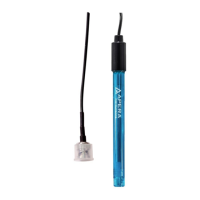

 To Next Page
