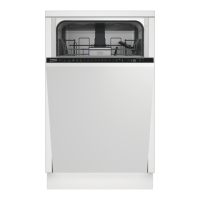
EasyManua.ls Logo

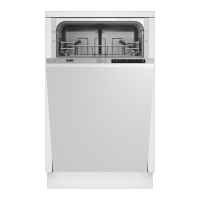
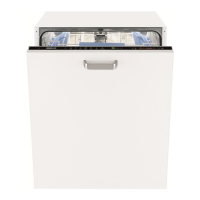
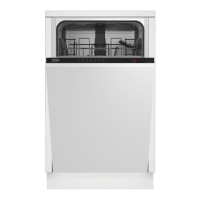
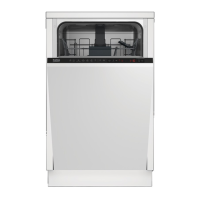
Beko DIS26012 - User Manual

Beko DIS26012
43 pages
Print Icon
To Next Page IconTo Next Page
Loading...
www.beko.com.tr
DIS26012
EN
Document Number :
15 9205 0100_AA_BEKO_45E5_EN/ 02-07-18.(11:29)
Dishwasher
User’s Manual

Table of Contents

Questions and Answers

  • S
    Steven BrownAug 15, 2025
    Why my Beko DIS26012 doesn't start?
    • K
      kaneraymondAug 16, 2025
      Your Beko Dishwasher might not be starting due to several reasons: the power cable could be unplugged, so check if it is properly connected. A fuse might be blown, so check the fuses in your house. The water supply might be cut off, ensure that the water inlet tap is open. The dishwasher door might not be closed properly, so make sure to close it. Finally, the On/Off button might not be pressed, so ensure you have turned on the machine.
  • K
    Karen BennettAug 18, 2025
    What to do if dishes are not washed clean in my Beko DIS26012 Dishwasher?
    • A
      Andrew CisnerosAug 18, 2025
      If your dishes aren't getting clean in your Beko Dishwasher, consider these possibilities: ensure dishes are loaded correctly as described in the manual. The selected program may be unsuitable, try a program with higher temperature and cycle time. Check that the impellers aren't stuck by manually rotating them. Also, the impeller holes or filters could be clogged, clean them regularly. Make sure the filters are installed correctly and that baskets aren't overloaded. Improper detergent storage, insufficient detergent or rinse aid, and an open detergent dispenser lid can also cause this issue. If using powder detergent, store it properly and use enough of it; consider using tablet detergents. Check and refill the rinse aid if needed, and ensure the dispenser lid is closed tightly.
  • W
    wayne16Aug 22, 2025
    What to do if dishes are not dry after Beko DIS26012 cycle?
    • S
      Susan LarsonAug 22, 2025
      If your dishes aren't drying properly in your Beko Dishwasher, avoid unloading the machine immediately after the cycle. Slightly open the door and wait for the steam to evacuate, then let the dishes cool before unloading, starting from the lower basket. The selected program may also be unsuitable; try using programs with longer duration for better drying performance.
  • C
    charles74Aug 25, 2025
    What to do if water remains in my Beko Dishwasher after cycle?
    • J
      jonathan86Aug 26, 2025
      If water remains in your Beko Dishwasher after the cycle, the filters might be clogged, so check and clean the filter system. Also, the discharge hose could be clogged or blocked, so inspect the hose and clear any blockages.
  • A
    Ariana SullivanAug 27, 2025
    Why are there lime traces on dishes and glassware looks misty after using my Beko DIS26012?
    • P
      Patrick HowellAug 27, 2025
      If you notice lime traces or a misty appearance on your dishes and glassware after using your Beko Dishwasher, the rinse aid level might be insufficient, so check the rinse aid indicator and add more if needed, or increase the rinse aid setting. Also, the water hardness setting might be too low, or the salt level might be insufficient, so measure the water hardness and adjust the setting accordingly. Finally, there might be salt leakage, so be careful not to spill salt when filling and ensure the salt reservoir lid is tightly closed.
  • S
    Steven WardAug 30, 2025
    How to get rid of tea or coffee stains on dishes in my Beko Dishwasher?
    • N
      njacobsAug 30, 2025
      If tea, coffee, or lipstick stains persist on dishes after washing in your Beko Dishwasher, try selecting a program with a higher temperature and cycle time. Note that stains may not be removed if they have penetrated deteriorated surfaces of the kitchen utensils. Also, ensure that your detergent is stored properly, avoiding humid conditions; consider using tablet detergents for better results.
  • T
    tatemichelleSep 2, 2025
    Why does my Beko DIS26012 Dishwasher smell?
    • J
      Jill MckeeSep 2, 2025
      A bad odor in your Beko Dishwasher could be due to clogged filters. Check and clean the filter system regularly. It could also be caused by dirty dishes sitting in the dishwasher for several days. If you're not running the dishwasher immediately, remove food remnants and run the prewash program without detergent every two days.
  • S
    Susan MontoyaSep 5, 2025
    Why is detergent remaining in the dispenser of my Beko DIS26012 Dishwasher?
    • R
      Regina CardenasSep 5, 2025
      If detergent remains in the dispenser of your Beko Dishwasher, the dispenser might have been damp when you added the detergent, so make sure it is dry before filling. Also, ensure you add detergent shortly before starting the wash cycle. The dispenser lid might be blocked during washing, so arrange dishes to allow the lid to open freely. Improper detergent storage can also be a factor, so avoid storing powder detergent in humid places and consider using tablet detergents. Finally, check if the impeller holes are clogged and clean them regularly.
  • M
    marcus33Sep 8, 2025
    Why are my dishes getting rust or discoloration in Beko DIS26012?
    • S
      Shannon YoungSep 9, 2025
      Rust, discoloration, or surface deterioration on dishes in your Beko Dishwasher can occur for several reasons. Salt leakage can cause this, so be careful when adding salt. Salty food remnants left on dishes for a long time can also contribute, so pre-wash or wash dishes promptly. Check that your electrical installation is properly grounded. Avoid using intensive cleansers like bleach. Do not use metal items for unintended purposes. Low-quality stainless steel cutlery or already corroded items should not be washed in the dishwasher.
  • J
    Jennifer WilliamsSep 12, 2025
    Why are my kitchen utensils broken after using Beko DIS26012?
    • B
      Brianna LeeSep 12, 2025
      Kitchen utensils may break in your Beko Dishwasher if the dishes are not placed properly, so load them as described in the user manual. Also, do not overload the baskets beyond their capacity.

Summary

Instructions for Safety and Environment

General Safety

Essential safety precautions for operating the dishwasher safely.

Intended Use

Defines the appropriate usage and purpose of the dishwasher.

Childrens Safety

Guidelines to protect children from hazards associated with the appliance.

Packaging Material Disposal

Instructions on how to properly dispose of product packaging.

Product Transportation

Safe procedures for moving the dishwasher to prevent damage.

WEEE and Waste Disposal Compliance

Information on environmental compliance and disposal of electronic waste.

RoHS Directive Compliance

Details on the product's compliance with hazardous substances regulations.

Package Information

Information regarding the materials used for product packaging.

Dishwasher

Overview

General introduction and visual identification of dishwasher components.

Technical Specifications

Detailed technical data, electrical requirements, and performance parameters.

Fan Drying System

Explanation of the fan drying system for efficient dish drying.

Installation

Installation Location

Guidance on selecting a suitable and safe place for dishwasher installation.

Water Supply Connection

Instructions for connecting the dishwasher to the water supply system.

Drain Connection

Steps for properly connecting the dishwasher's drain hose.

Adjusting the Feet

How to adjust the appliance's feet for stable and proper installation.

Aquasafe+ System

Information and safety precautions for the Aquasafe+ leak protection system.

Electrical Connection

Guidelines for safely connecting the dishwasher to the electrical power supply.

Initial Use

Steps to follow for the first operation of the dishwasher.

Preparation

Energy Saving Tips

Advice for using the dishwasher in an energy-efficient and ecological manner.

Water Softening System

Explanation of the water softening system and its importance for performance.

Adjusting Water Softening System

Guide to setting the water hardness level for optimal washing results.

Adding Salt

Instructions on how and when to refill the salt reservoir for water softening.

Detergent Usage

Information on the types of detergents to use and how to add them.

Tablet Detergents

Specific guidance for using combined detergent tablets.

Rinse Aid

Instructions on using rinse aid for better drying and preventing stains.

Items Not Suitable for Dishwasher

List of items that should not be cleaned in the dishwasher to prevent damage.

Loading the Dishwasher

Proper loading techniques for optimal washing and drying performance.

Cutlery Basket

How to use and position the cutlery basket for efficient washing.

Collapsible Lower Basket Tines

How to adjust the collapsible tines in the lower basket for better loading.

Lower Basket Bottle Wire

Information about the bottle wire for washing long items.

Upper Basket Rack

Details about the upper basket rack.

Adjusting Upper Basket Height

How to adjust the upper basket height for flexible loading.

Collapsible Upper Basket Wires

How to use collapsible wires in the upper basket for more space.

Ceiling Cutlery Basket

Instructions for using the ceiling cutlery basket.

Operating the Product

Control Panel Overview

Identifies keys, indicators, and display elements for operating the dishwasher.

Programme Selection

Step-by-step guide to selecting and starting a washing program.

Preparing the Machine

Steps to take before starting a wash cycle, including loading and detergent.

Programme Table

A table detailing wash programs, temperatures, durations, and consumption.

Auxiliary Functions

Explanation of additional functions like Extra Drying and Half Load.

Changing Warning Sound Volume

How to adjust the volume of audible signals and warnings.

Interior Lighting

Information on the interior lighting feature and its settings.

Floor Illumination

Details about the floor indicator light showing the machine's operating status.

Auto Tablet Feature

How the machine automatically detects and optimizes for tablet detergents.

Scheduling Washing Time (Time Delay)

Instructions for using the Time Delay function to schedule wash cycles.

Cancelling Time Delay Function

Procedure to cancel a scheduled wash cycle.

Cancelling the Programme

How to stop or cancel a running wash program.

Starting the Programme

Final steps before the wash program begins.

Salt Indicator

Understanding the salt indicator and when to refill the salt reservoir.

Rinse Aid Indicator

Understanding the rinse aid indicator and when to refill the rinse aid reservoir.

Adjusting Rinse Aid

How to set the rinse aid dosage for optimal drying results.

End of Programme

Notification of program completion and actions to take.

Water Cut-off Warning

What the water cut-off warning means and how to resolve it.

Overflowing Warning

What the overflowing warning means and how to address it.

InnerClean Program

Information about the special program for cleaning the dishwasher's interior.

Maintenance and Cleaning

Cleaning the Filters

Step-by-step guide to cleaning the dishwasher's filter system.

Cleaning Outer Surfaces

How to clean the exterior of the dishwasher and its door gaskets.

Cleaning Interior

Methods for cleaning the inside of the dishwasher and the tank.

Cleaning Hose Filter

Instructions for cleaning the filter in the water inlet hose.

Cleaning Impellers

How to clean the lower and upper impellers for optimal performance.

Troubleshooting

Machine Does Not Start

Solutions for issues where the dishwasher fails to start.

Dishes Not Washed Clean

Troubleshooting steps for poor washing performance.

Dishes Not Dry

Reasons and solutions for dishes remaining wet after a cycle completes.

Stubborn Stains on Dishes

How to deal with stubborn stains like tea, coffee, or lipstick.

Hard Water Deposits

Addressing issues related to hard water deposits and misty glassware.

Odours in the Machine

Causes and solutions for unpleasant odors within the dishwasher.

Dish Surface Issues

Troubleshooting rust, discoloration, or surface damage on dishes.

Detergent Dispenser Issues

Reasons why detergent might remain in the dispenser.

Decorations Erasing

Information on decorative items that may be affected by washing.

Dishes Are Scratched

Causes and prevention of scratches on dishes.

Milky Glass Stains

Resolving milky or rainbow-like stains on glassware.

Foam Formation

Troubleshooting excessive foam formation inside the dishwasher.

Broken Kitchen Utensils

Identifying causes and preventing breakage of kitchen utensils.

Water Remaining in Dishwasher

Solutions for water left in the dishwasher after a cycle completes.

Beko DIS26012 Specifications

General IconGeneral
TypeBuilt-in
Number of Place Settings10 place settings
Energy Efficiency ClassE
Noise Level49 dB
Control panel colourBlack
Number of washing programs6
Depth (mm)550 mm
Weight32.2 kg
Delay StartYes
Half LoadYes
Depth55 cm
Drying systemCondensation

Related product manuals