LACK OF CONTROLLABILITY Wood and some other fuels may
burn excessively until the gases in them have been used up. You
can reduce this effect by making sure that the fire is set to 'low' for
a while before refuelling and checking that the door seals fully
DIFFICULTY BURNING FOR EXTENDED PERIODS If the fire
goes out with fuel still in the firebox, then this is probably because
too little air has been reaching it, try leaving the air controls open a
little more. Check that the door seals are sound and that there are
no cracks or gaps anywhere in the flue. For longest burning, we
recommend hard fuels such as anthracite.
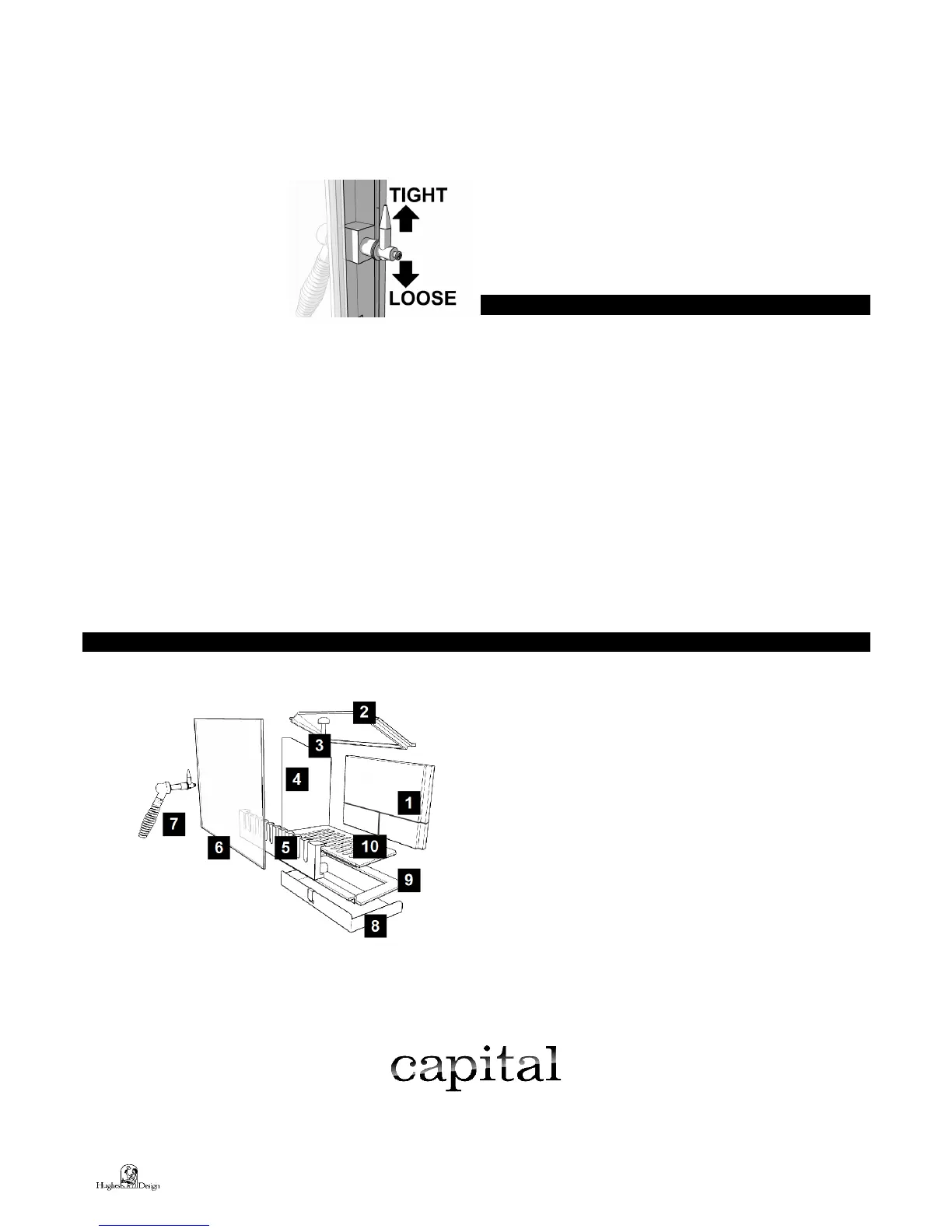
THE DOOR CATCH may need
adjusting as the rope seal 'beds
down'. Simply loosen the screw at
the end of the shaft and move the
tapered pin as shown. Re-tighten
the screw.
CONDENSATION onto cool
surfaces inside the stove can be
severe if fuel is in any way damp.
Use only very dry fuel.
OVER-FIRING: It is possible to leave the fire too long with the
controls set too high leading to 'over firing', seen as glowing metal
parts, excessive chimney temperature and risk of parts failing or
chimney fires. Always set controls to the lowest practical setting.
SMOKE COMING INTO ROOM Fumes are poisonous- smoke
emission must NEVER be tolerated, causes might be:
NEW STOVE: There is often a smell and sometimes visible fumes
as the paint cures. This normally stops after an hour or so.
INADEQUATE SEALS: Are all flue pipes and connectors
absolutely gas-tight? Even the tiniest crack or gap can spoil the
draught. Does an inset appliances fully seal against the fireplace?
BLOCKED THROAT PLATE: Has soot and ash collected on the
'throat plate' above the inner back part of the firebox?
UNSUITABLE, BLOCKED OR UN-SWEPT CHIMNEY: The first
requirement for correct operation is a sound chimney. Check the
requirements earlier in this document and in any case of doubt
engage a professional sweep or chimney engineer.
POOR AIR SUPPLY: Lack of air to the fire is a common cause of
smoking and poor performance. Air supply problems may be
worse in certain wind conditions (often incorrectly ascribed to
'downdraught', which is in fact very rare), where air can be sucked
out of the room. The answer is to fit an air vent, as near to the fire
as possible, facing into the usual wind direction.
DOWNDRAUGHT: Wind can blow down a chimney if there is
something higher nearby such as a tree, hill or high building.
Fitting an anti-downdraught cowl to the chimney top can cure this.
Types which cannot be swept through are not recommended.
POOR CHIMNEY DRAUGHT- Chimney draught in use MUST be
at least 12Pa.
CHIMNEY FIRE: In the rare event of deposits inside the chimney
igniting (roaring sound + dense smoke and sparks from the
chimney) immediately close the door, shut all air controls and call
the fire brigade. Prevent fires by using very dry fuel and having
your chimney swept regularly.
MAINTENANCE
MONTHLY- With the fire cold, remove, clean and refit the throat
(or 'baffle') plate below the flue outlet. Check that the flue is clear
and unblocked, and that the door seals are sound.
ANNUALLY- SWEEP THE CHIMNEY The entire length of the
chimney from stove to outlet should be swept annually, more often
if smoky fuels are used.
NEW PARTS Your stove has been extensively tested for safety -
please don't try to modify it and always obtain genuine spare parts.
SURFACE FINISH Wipe the stove body with a slightly damp cloth
when cool. NEVER use aerosol spray or wax near the hot fire –
they can ignite. Painted steel parts can be refurbished using
special spray paint.
Your stove generates VERY high temperatures. Eventually the
internal parts will require replacement . Help parts to last by:
• Using only recommend, very dry, fuels.
• Emptying the ash very regularly when using mineral fuel -never
allow it to touch the underside of the grate.
• Cleaning the throat plate regularly.
• Avoiding 'over-firing'
PARTS AND ACCESSORIES
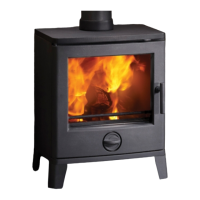
When ordering parts, you have the Sirius Sierra Inset Stove
Wearable parts
1 Replaceable Lining brick set - Rear
2 Throat (baffle) Plate
3 Hinge Pin
4 Replaceable Lining brick, left or right
5 Front firebar
6 Window
7 Door catch Assembly
8 Ashpan
9 Grate Frame
10 Grate
Touch-up paint, black
Rope seal kit
Sirius Stoves are designed and developed in England, tested in The Netherlands. They are cast using Australian iron and assembled in China from
components manufactured in Japan, China, the USA and the UK
www.capitalfireplaces.co.uk
Capital Fireplaces, Unit 12, Henlow Ind Est, Henlow Camp, Beds SG16 6DS UK
Tel: 01462-813138
4


 To Previous Page
 Loading...