EasyManua.ls Logo

CEFLA MOCOM Supreme-17 - User Manual

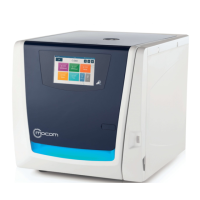
CEFLA MOCOM Supreme-17
113 pages
Print Icon
To Next Page IconTo Next Page
Loading...
97055023
Rev. 00
2019-03
Supreme
-17 / Supreme
-22 / Supreme
-28
EN
https://stomshop.pro/

Table of Contents

Questions and Answers

  • J
    Joe McgeeAug 1, 2025
    How to fix CEFLA Laboratory Equipment sterilizer that does not power on?
    • W
      williamfosterAug 1, 2025
      If your CEFLA Laboratory Equipment sterilizer won't turn on, there are several potential causes: * Ensure the power cable is properly plugged in. * Verify there is voltage at the power supply socket and resolve any issues. * Check that the main and differential switches are in the ON position. * Inspect the mains fuses and replace them with fuses of the correct rating if they are blown. Refer to the Technical Characteristics Appendix for fuse specifications.
  • D
    Donald HendersonAug 9, 2025
    What to do if there is water on the surface under my CEFLA MOCOM Supreme-17 sterilizer?
    • M
      Meredith AlvarezAug 10, 2025
      If you find water on the surface where your CEFLA Laboratory Equipment sterilizer rests, it could be due to: * The water automatic filling system hose (if equipped) might not be correctly connected. Check the tightness of the fittings, ensure the hoses are fully inserted, and verify the presence of hose clamps. * Steam could be leaking from the door gasket. Clean the gasket and closing porthole with a damp cloth after each cycle and inspect the gasket for damage. Then, run another verification cycle.
  • S
    Shawn SalinasAug 14, 2025
    Why is there excessive humidity on materials after sterilization in my CEFLA MOCOM Supreme-17?
    • J
      Jessica KellyAug 14, 2025
      Excessive humidity on materials or instruments at the end of a CEFLA Laboratory Equipment sterilization program can occur due to: * Overloading the sterilization chamber; ensure the load does not exceed the maximum allowed values. Refer to the “Technical Characteristics” Appendix. * Incorrect positioning of the load; position items, especially wrapped ones, according to the instructions in the “Preparing the material” Chapter. * Selecting the wrong sterilization program; choose the program appropriate for the material being treated. See the “Programs” Appendix. * A clogged chamber drainage filter; clean or replace the filter as described in the “Maintenance” Appendix.
  • D
    Dr. Sarah Howell PhDAug 19, 2025
    What to do if the CEFLA MOCOM Supreme-17 Laboratory Equipment sterilization cycle does not start after pressing START?
    • D
      Diana ColemanAug 19, 2025
      If the sterilization cycle on your CEFLA Laboratory Equipment does not start after pressing START, it is possible that the device is preheating. Wait for the sterilizer to reach the correct operating conditions. The average preheating time is approximately 10-15 minutes under standard conditions.
  • A
    Alyssa RogersAug 23, 2025
    Why are instruments blackening or material being damaged in my CEFLA MOCOM Supreme-17 Laboratory Equipment?
    • K
      Kevin ColemanAug 23, 2025
      Blackening of instruments or damage to material in your CEFLA Laboratory Equipment can be caused by selecting the wrong sterilization program. Ensure you choose the appropriate program for the type of material being treated. Refer to the “Programs” Appendix for guidance.
  • W
    weaverelizabethAug 27, 2025
    What causes the safety valve to trigger on my CEFLA Laboratory Equipment?
    • B
      brittany10Aug 27, 2025
      If the safety valve on your CEFLA Laboratory Equipment has triggered, it may be due to a loosened locking ring or anomalous overpressure in the chamber. Check that the milled ring nut of the safety valve is properly tightened. Allow the device to cool down, or use gloves to prevent burns when touching the valve.
  • J
    jocelyn92Nov 5, 2025
    Why are there traces of oxidation or spots on instruments after sterilization in my CEFLA MOCOM Supreme-17?
    • J
      joshuasanchezNov 5, 2025
      If you notice oxidation or spots on instruments after sterilization in your CEFLA Laboratory Equipment, it could be due to several factors: * The instruments may not be of adequate quality for steam sterilization. * The distilled water used might not be of high enough quality; try emptying and refilling the tank with high-quality distilled water. See the "Technical characteristics" Appendix for water supply specifications. * There may be organic or inorganic residues on the instruments; ensure they are thoroughly cleaned beforehand. * Contact between instruments made of different metals can cause this issue; separate them before sterilization. * Limescale residues on the chamber walls or accessories can also be a cause; clean these components as instructed in the “Maintenance” A...

Summary

Foreword

Symbols Used

Explanation of symbols used in the manual and on the device for clarity.

Symbols on the Device

Identification and meaning of symbols displayed on the sterilizer unit.

Relevant European Directives

Overview of applicable European directives the device complies with.

Classification

Classification of the device according to relevant medical device directives.

Intended Use

Specifies the authorized use of the sterilizer for professional medical applications.

General Warnings

Crucial safety instructions and precautions for operating the sterilizer.

Residual Risks

Identification of potential risks for users and patients during operation.

Information on Mitigation of Residual Risks

Guidance on how to minimize or mitigate identified residual risks.

Package Content

Dimensions and Weight

Specifications for the device's physical dimensions and weight.

Description of the Content

Detailed list of items included in the product package.

Product Handling

Instructions for safely handling and moving the sterilizer.

Conditions for Storage and Transport

Recommended environmental conditions for storing and transporting the device.

General Description

General Characteristics

Key features and attributes of the water steam sterilizer.

Technical Specifications

Detailed technical data and parameters of the sterilizer models.

Safety Devices

Description of the built-in safety mechanisms for device protection.

Water Supply Characteristics

Requirements for water quality and characteristics for optimal performance.

Front View

Identification of components and controls on the front panel of the device.

Rear View

Identification of connections and components on the rear panel.

Display Icons

Explanation of icons and symbols shown on the sterilizer's display screen.

Example of Working Cycle

Illustrative breakdown of a typical sterilization cycle's phases.

Setting Up the Device

Overall Dimensions

Specifications for the device's overall dimensions and installation space.

Compartment Dimensions for Built-in Installation

Minimum dimensions required for installing the sterilizer within a cabinet.

General Precautions for Installation

Essential safety and operational guidelines for installing the sterilizer.

Power Supply

Requirements and specifications for connecting the device to the electrical system.

Electrical Connections

Detailed instructions for making proper electrical connections to the sterilizer.

Direct Connection to a Centralized Draining Point

Procedure for connecting the sterilizer to a direct drainage system.

First Start-Up

Starting

Initial steps for powering on and starting the sterilizer after installation.

Main Menu

Overview of the primary user interface and navigation options.

Upper Door Opening

Procedure for accessing the sterilizer's chamber via the upper door.

Discharge Water Recovery and Demineralization System

Explanation of the system for water treatment and reuse.

Installing the Recirculation Filter Inside the Tank

Step-by-step guide for fitting the recirculation filter.

Installing the Demineralization Filter Inside the Tank

Step-by-step guide for installing the demineralization filter.

Safety Precautions

Safety guidelines for handling demineralizer cartridges and resins.

Technical Specifications

Technical data related to the demineralization filter performance.

Maintenance of the Integrated Demineralisation Filter

Information on replacing the demineralisation filter and topping up water.

Filling Distilled Water

Instructions for filling the sterilizer with distilled or demineralised water.

Manual Filling

Procedure for manually filling the water tank.

Automatic Filling

Guidance on using the automatic water filling system.

Configuration

Settings

Accessing the main settings menu for device customization.

Language

Procedure for selecting and confirming the desired user interface language.

Date and Time

Instructions for setting the device's date and time accurately.

Unit of Measurement

Setting the preferred units for temperature and pressure readings.

Screen and Audio

Configuring screensaver, audio volume, and screen brightness settings.

Preheating

Activating and configuring the preheating function for the sterilization chamber.

Water Filling

Selecting the method for filling the sterilizer's water tanks.

Printers

Managing printer connections and settings for report generation.

Print Labels

Configuring label printing options including number and validity.

Cycle List

Connectivity

Wi-Fi

Procedure for connecting the sterilizer to a local Wi-Fi network.

Manual DHCP

Configuring IP, Mask, Gateway, and DNS settings manually.

Ethernet Connectivity

Setting up wired network connection via Ethernet.

NFC

Activating the NFC reader for user identification or data transfer.

User Management

Create New User

Process for adding new user accounts with names and PINs.

Change User Association

Associating specific sterilization cycles with user profiles.

Change PIN

Procedure for users to change their personal identification PIN.

Associate NFC

Pairing NFC cards with user accounts for identification.

User PIN Request

Configuring when the system prompts for user PIN entry.

User Deletion

Process for removing user accounts from the system.

Users List

Viewing and managing the list of registered user accounts.

Instructions

Service

Preparation of the Material

Treating the Material Before Sterilization

Guidelines for cleaning instruments and materials prior to sterilization.

Arranging the Load

Instructions for properly loading items into the sterilizer chamber.

Positioning and Use of Tray Holder Support

Guidance on using the tray holder support for optimal loading.

Sterilization Cycles

Delayed Start

Setting a future start time for a sterilization cycle.

Extra Drying

Adding extra drying time to a selected sterilization cycle.

Execution of the Cycle

Step-by-step process of a typical sterilization cycle execution.

Cycle Outcome

Interpreting the results and status of a completed sterilization cycle.

Door Opening at Cycle End

Procedure for opening the sterilizer door after cycle completion.

User-Defined Cycle

Configuring and running custom sterilization cycles.

Material Storage

Test Programs

Vacuum Test Cycle

Performing a test to verify the sterilizer's vacuum sealing.

Helix; Bowie Dick Test

Running tests to assess steam penetration into hollow and porous loads.

Vacuum Cycle + Helix; Bowie - Dick Test

Sequential execution of vacuum and steam penetration tests.

Test Reminder

Setting reminders for performing scheduled diagnostic tests.

H2 O Test

Testing the quality of water used in the sterilizer.

Door Opening

Procedure for opening the sterilizer door at the end of a test cycle.

Manual Interruption

How to manually stop a running sterilization or test cycle.

Used Water Drain

Sterilizer Information

Data Management

Cycle Download

Copying sterilization cycle data from the device to a USB key.

Appendix - Programs

Summary Table of 17 220 V - 240 V Cycles

Table of sterilization programs for 17L models at 220-240V.

Summary Table of 17 120 V Cycles

Table of sterilization programs for 17L models at 120V.

Summary Table of 22 220 V - 240 V Cycles

Table of sterilization programs for 22L models at 220-240V.

Summary Table of 22 120 V Cycles

Table of sterilization programs for 22L models at 120V.

Summary Table of 28 220 V - 240 V Cycles

Table of sterilization programs for 28L models at 220-240V.

Summary Table of 28 120 V Cycles

Table of sterilization programs for 28L models at 120V.

Diagrams of the Test Programmes

Graphical representations of test cycle parameters and phases.

Appendix - Maintenance

Ordinary Maintenance Programme

Routine maintenance tasks to be performed daily, weekly, or periodically.

Scheduled Maintenance Messages

Explanation of system messages indicating required maintenance.

Description of Maintenance Interventions

Detailed procedures for cleaning and maintaining device components.

Periodic Sterilizer Validation

Importance and process of periodic validation for safety and performance.

Device Useful Life

Information on the expected service life of the sterilizer.

Disposing the Equipment When No Longer Used

Guidelines for environmentally friendly disposal of the device.

Appendix - General Problems

Troubleshooting

Guide to diagnosing and resolving common operational problems.

Appendix - Alarms

Alarm Intervention

Procedures for responding to and clearing alarms.

Alarm During a Cycle

How alarms are displayed and managed during a sterilization cycle.

System Reset

Alarm Codes

Errors (Category E)

List of error codes, messages, and reset modes.

Alarms (Category A)

List of alarm codes, messages, and reset modes.

Hazards (Category H)

List of hazard codes, messages, and reset modes.

System Errors (Category S)

List of system error codes, messages, and reset modes.

Troubleshooting

Detailed troubleshooting for specific error codes.

User Pin Reset

Appendix - Accessories

Local Printer Connection

Network Printer Connection

Instructions for connecting and configuring network printers.

Appendix - Spare Parts and Accessories

Appendix - Technical Service

Appendix - Warnings and Local Regulations

CEFLA MOCOM Supreme-17 Specifications

General IconGeneral
Chamber Volume17 liters
Frequency50/60 Hz
Maximum Operating Temperature134 °C
CategoryLaboratory Equipment
ModelMOCOM Supreme-17
ManufacturerCEFLA
Power Supply230V