5
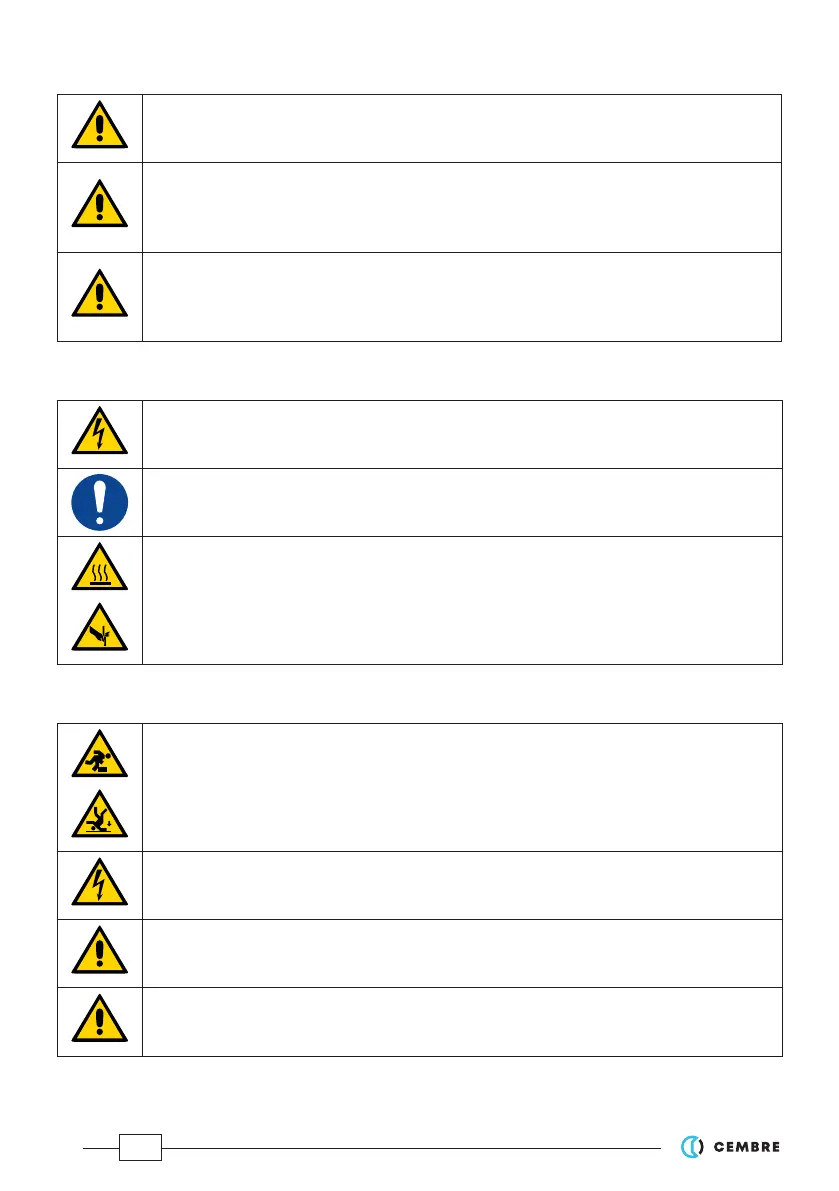
Repetitive motions hazards:
When using a drill to perform work-related activities, the operator can experience
discomfort in the hands, arms, shoulders, neck or other parts of the body.
While using a drill, the operator should adopt a comfortable posture while
maintaining a secure footing and avoiding awkward or off-balanced postures.
The operator should change posture during extended tasks,
which can help avoid discomfort and fatigue.
If the operator experiences symptoms, such as persistent or recurring discomfort,
pain, throbbing, aching, tingling, numbness, burning sensations or stiffness,
these warning signs should not be ignored.
The operator should tell the employer and consult a qualified health professional.
Accessory hazards:
Stop the engine before fitting or changing the inserted tool or accessory.
Use only sizes and types of accessories and consumables that are recommended by
the drill manufacturer; do not use other types or sizes of accessories and consumables.
Avoid direct contact with the inserted tool during and after use,
as it can be hot or sharp.
Workplace hazards:
Slips, trips and falls are major causes of workplace injury.
Be aware of slippery surfaces caused by the use of the tool and
also of trip hazards caused by the air line or hydraulic hose.
Proceed with care in unfamiliar surroundings.
There can be hidden hazards, such as electricity or other utility lines.
The drill is not intended for use in potentially explosive atmospheres
and is not insulated against coming into contact with electric power.
Ensure that there are no electrical cables, gas pipes, etc.,
that can cause a hazard if damaged by use of the tool.


 To Next Page
 Loading...