INSTRUCTIONS FOR USE
Clinicians should always follow institutional protocols for post-procedure hemostasis when deploying the ZEPHYR VCB. Inspect the ZEPHYR VCB for damage
prior to use. Properly size the ZEPHYR VCB to each patient’s wrist.
DEPLOYMENT AND PATENT HEMOSTASIS
1. Preparation. At the end of the catheterization procedure, inform the patient they should not use any muscles in the hand or wrist and perform other
post-procedure activities as per institutional protocol. Use sterile or aseptic technique to remove the ZEPHYR VCB from the pouch. Withdraw the sheath
approximately 2-3 centimeters out of the puncture site. Ensure that the puncture site area is dry.
2. Placement. Place the Strap (with balloon uninflated) around the wrist with the tubes facing either direction (operator preference), with the sheath and skin
puncture site showing in the ‘window’. The puncture site should be generally centered under the balloon.
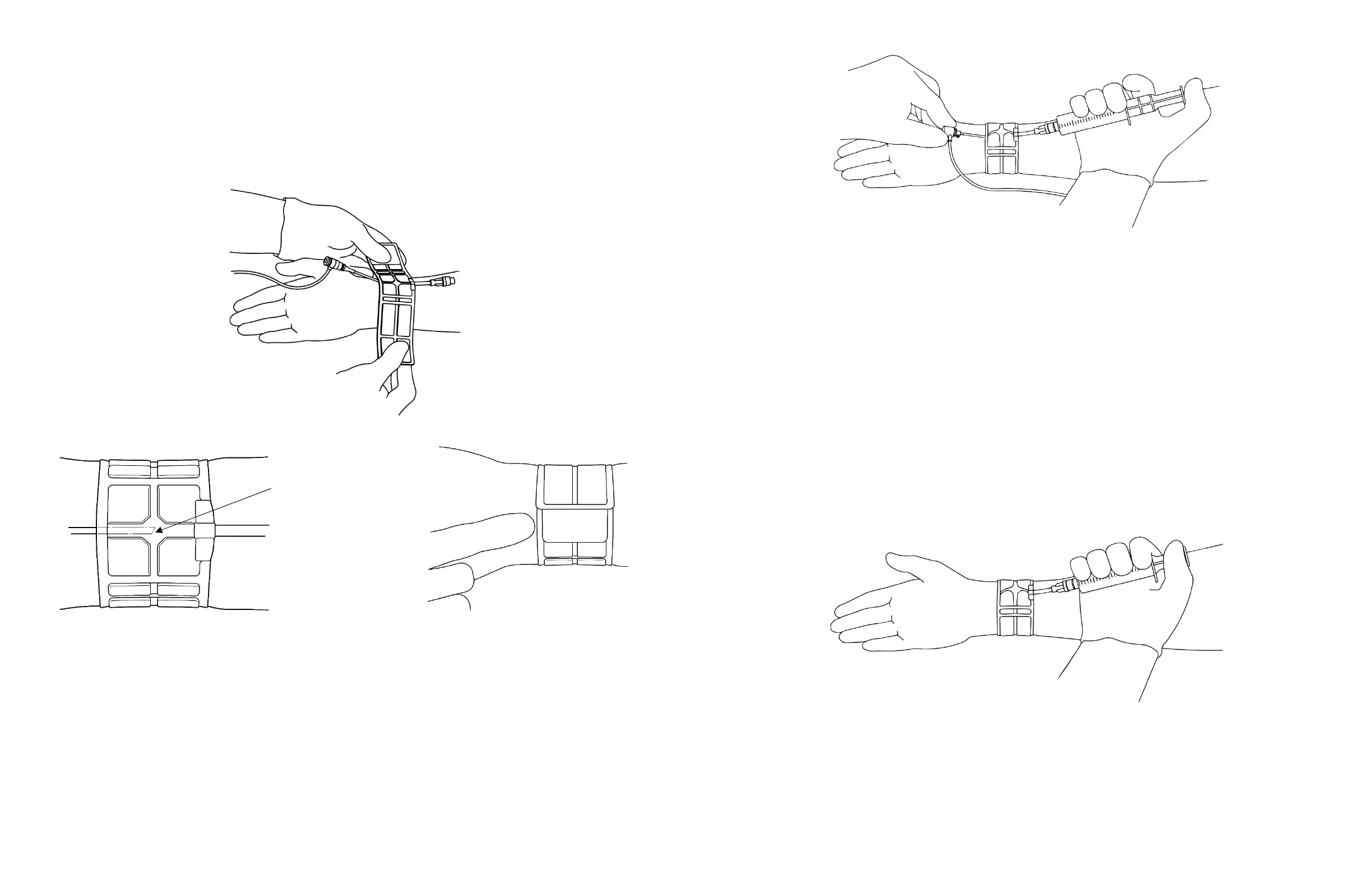
Figure 2. Placing the ZEPHYR VCB on the wrist
Figure 3. Close-up of sheath under the window Figure 4. Hook-loop contact
Optionally, at the discretion of the operator, a piece of sterile gauze or hemostatic material may be placed under the radial balloon during deployment.
Snugly fasten the device around the patient’s wrist by placing the hook material over the loop material and pressing. The strap should not be able to twist
around the wrist. At least half of the hook material must be in contact with the loop material.
3. Initial Balloon Inflation. Draw 20 ml of air into the inflation syringe and firmly press the syringe nozzle onto the valve of the balloon so that it ‘clicks’ into
place. Inject the air into the balloon and pull the sheath. Ensure there is no bleeding or oozing from the puncture site and wipe away any blood. Refer to
institutional protocols for post-procedure radial hemostasis.
Figure 5. Inflating the balloon and pulling the sheath
NOTE: DO NOT insert the ZEPHYR VCB syringe into any fitting, valve or connector except for the ZEPHYR VCB balloon valve with the light blue insert.
4. Ensure Patency. Remove air until a flash of blood is observed, then immediately re-inflate with 2 ml of air or until bleeding stops. Immediately assess distal
perfusion to ensure Patent Hemostasis while occluding the ulnar artery proximal to the wrist. If patency is not observed, slowly remove air from the balloon
until vessel patency is observed without puncture site oozing. Be sure to continuously hold the plunger to keep all the air from escaping suddenly. Periodically
observe the patient’s vital signs and assess hand perfusion and puncture site status in accordance with institutional protocol. There should be no bleeding or
oozing from the puncture site.
NOTE: Patency should be observed in the radial artery distal to the point of compression, with no bleeding at the puncture site.
5. Compression Time. The ZEPHYR VCB should be left on the patient’s wrist, unless directed otherwise by physician’s orders or patient conditions. Refer to
institutional protocols for post-procedure radial artery hemostasis compression time.
NOTE: If oozing or re-bleed occurs, draw 10 ml of air into the syringe and slowly re-inflate the balloon only until the oozing or bleeding stops. Check vessel
patency.
ADJUSTMENT AND REMOVAL
NOTE: If the ZEPHYR VCB syringe is misplaced, any Luer Slip or Luer Lock syringe may be used for inflating or deflating the balloon.
1. Ensure Patency. Check to ensure vessel patency every 15 minutes starting with the patient’s arrival in the recovery area. Radial artery patency should be
maintained throughout the hemostasis period.
2. Compression Adjustment. In accordance with hospital protocol or at the discretion of the operator, compression may be reduced during the hemostasis
period as long as there is no oozing at the puncture site – be sure to control the plunger on the syringe when removing air from the balloon. Radial artery
patency should be maintained at all times. If oozing or bleeding occurs at any time, re-inflate the balloon until oozing or bleeding stops and re-check vessel
patency.
Figure 6. Syringe attached to the ZEPHYR VCB, pulling air out
3. Reducing Compression. At the end of the recommended compression time, slowly remove air from the radial balloon until all compression is removed
according to institutional protocol. If bleeding is present, re-inflate the balloon with enough air to restore Patent Hemostasis and re-check vessel patency.
Wait 30 minutes and then repeat this step.
4. Device Removal. After all compression is released and hemostasis confirmed, gently separate the hook and loop material and palpate under the radial
balloon to separate the strap from the skin. Carefully remove the ZEPHYR VCB from the puncture site, being careful not to disrupt the clot. Apply a dressing
and discard the device per institutional protocol.
puncture site


 To Previous Page
 Loading...