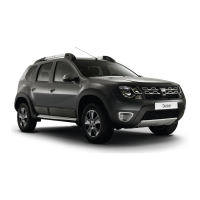
This document serves as a Vehicle Instruction Card (VIC) supplement for DACIA vehicles, specifically detailing the Electronic Parking Brake (EPB) system and providing general vehicle information for the Dacia Duster.
Electronic Parking Brake (EPB)
Function Description:
The Electronic Parking Brake (EPB) is a system designed to replace the traditional mechanical handbrake, preventing the vehicle from accidentally rolling away. It offers enhanced convenience and safety features. The EPB automatically activates and deactivates under certain conditions, and can also be manually controlled.
Usage Features:
- Location: The EPB switch (labeled 'A') is typically found in the center console area, marked with the universal icon symbol 'P'.
- Activation: The EPB normally activates automatically. It will also activate if seatbelts are not worn or if luggage on seats triggers the system. For correct operation, ensure seatbelts are fastened and luggage is stored securely in the boot. To manually apply the parking brake, pull the switch 'A'. Warning lamps on both the switch and the instrument panel will illuminate to confirm activation.
- Deactivation: The EPB normally releases automatically. To auto-release, depress either the brake or accelerator pedal. Alternatively, press switch 'A' to manually release it. The associated warning lamps on the switch and dashboard instrument panel will extinguish upon deactivation. It's important to note that seatbelts should be fastened and luggage should not be placed on seats for proper operation.
- When Driving Away: The parking brake automatically deactivates when the vehicle starts moving. It also prevents the vehicle from rolling back unintentionally for a few seconds when starting on a gradient. This feature allows the vehicle to move in the desired direction by simply driving off normally.
- Automatic Gearbox Vehicles: For vehicles equipped with an automatic gearbox, the parking brake can be applied when stopping briefly (e.g., at traffic lights) to prevent the vehicle from creeping forward. It will automatically release when the driver drives off.
Important Notes:
- Deadlocks/Safelock: Messages like "Deadlock / safelock" on the instrument display when the engine is off indicate that once the vehicle is locked, the doors are deadlocked. This means anyone left inside cannot get out in an emergency. This is a standard advisory message and not a cause for concern.
- Seatbelt Warning Lights: A seatbelt warning light may illuminate when the engine is turned on, potentially indicating that the EPB has auto-activated to prevent vehicle movement. To deactivate these lights and the EPB's auto-activation, ensure all passengers fasten their seatbelts and remove any luggage from the seats, securing it in the boot.
- Warning Lights Interpretation:
- Red: Indicates a potentially serious problem or safety issue, or an important reminder. Requires immediate attention.
- Yellow/Orange: Suggests that something needs servicing or repair soon. If flashing, contact your rental agent for advice.
- Green/Blue: Indicates that a system is on or operating normally.
Dacia Duster Vehicle Instruction Card
This section provides general operational instructions and specifications for the Dacia Duster.
Controls:
The vehicle features a range of controls, including:
- Heating & Ventilation
- Hazard Lights
- Starter Switch
- Headlights
- Sidelights
- Indicators
- Wipers
- Rear Screen Wipers
- Horn
- Bonnet Release
- Heated Rear Screen
- Rear Fog Lamp
- Front Fog Lamp
Technical Specifications:
- Tyre Pressures (Cold): Regular checks are recommended. Legal minimum tread depth is 1.6 mm. For tyre size 215/65 R16, confirm pressures by consulting the reference table on the driver's door B-pillar. Vehicles may be supplied with a tyre repair kit or a spacesaver spare wheel.
- Fuel Tank Capacity: 50.0 litres.
- Fuel Type: Only unleaded petrol should be used. (Refer to inside of filler flap).
- Seating: 5 seats.
- Doors: 5 door.
- Drive Type: Available in 2x4 or 4x4.
Usage Features:
- In Case of Breakdown: Use hazard lights and attempt to park in a safe position. Use an emergency phone rather than a mobile for emergency services to know the location.
- Child Seats: Never use a child seat in a front passenger seat with an active airbag (SRS). Always follow fitting instructions carefully and check seat positioning and security before use.
- Driver's Seat: Adjustable for tilt, legroom, and height.
- Locking the Doors: Key/remote control operated central secure deadlocking. The central locking switch can lock doors from the inside. Doors auto-lock when the vehicle is in motion.
- Anti-theft System: Passive arming of electronic transponder engine immobiliser after key removal from the starter switch. Models are fitted with an alarm system.
- Opening the Boot: Centrally locked. Use the remote control or remote release to unlock/open.
- Adjusting Door Mirrors: Electric internal adjustment via a control pad on the driver's door, or manual internal adjustment via control knobs on both front doors.
- Opening the Windows: Electric front and rear windows operated via control buttons on the driver's door.
- Operating the Sunroof: If fitted, a panoramic glass sunroof is operated via roof-mounted switchgear.
- Using Child Door Locks: Electronic, operated via a switch on the driver's door armrest. Check doors are secure once activated. Alternatively, press the centre console central locking switch.
- Starting the Engine: Ensure gear selector is in neutral and parking brake is on. Insert ignition key into starter switch. Use a normal starting routine. Select desired gear. Release parking brake and brake pedal, then gently press the accelerator to move the vehicle. Some models feature auto engine start/stop technology (engine switches off when neutral gear is selected, foot pedals not depressed, and vehicle is motionless; depress the clutch to restart). Some models may also feature 4WD with selectable modes.
- Opening Fuel Filler Cap: Located under a flap on the rear offside. Centrally locked. Lift the flap edge to open, then twist off the cap anticlockwise.
- Releasing the Bonnet: Pull the bonnet release lever located to the lower left of the passenger footwell. Unhook the catch under the bonnet.
- Folding the Rear Seats: The rear seats feature split folding. Unlock the seat catch and fold the seat down. To return, raise the seat and push firmly to engage the seat lock. Check all seats are firmly locked in position.
Maintenance Features:
- Changing a Tyre: This vehicle is not usually supplied with a conventional spare wheel and tyre; a tyre repair kit may be supplied. In case of a punctured tyre, call the National Car Rental Tyre Helpline (0800-16 95 875). To use the repair kit: move the vehicle to firm/level ground, turn off the engine, select first gear, and apply the parking brake. Use only the specific reinforced jack points on the underside of the vehicle. Fit the jack and crank it to lift the vehicle. Follow the repair kit instructions or contact for assistance.
General Information:
- Vehicle specifications are subject to change.
- This vehicle does not include any manufacturer handbooks or manuals.
- For assistance after an accident/incident, call 0800 0280 999.
- For assistance after a breakdown or with tyres/windscreens, refer to the numbers on the tax disc holder.
- When the engine is turned off, ensure the starter switch is in position II when operating electrical items such as door mirrors and windows.
- No responsibility is accepted for inaccuracies or misunderstanding caused by the wording of this guide. If in doubt, ask a member of staff for assistance.

 Need help?
 General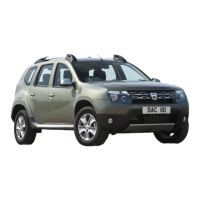

 To Next Page