This document serves as a user manual for the Electrolux Clean 300, Clean 500, and Animal 500 series vacuum cleaners. It provides essential information on the device's function, usage, and maintenance.
Function Description
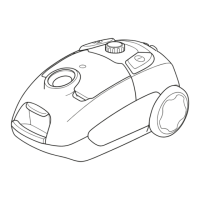
The Electrolux Clean 300, Clean 500, and Animal 500 are bagless cylinder vacuum cleaners designed for efficient cleaning of various surfaces. The core function of these devices is to generate suction to pick up dust, dirt, and debris from floors, carpets, and other household surfaces. The "Animal 500" designation suggests that this specific model is optimized for homes with pets, likely featuring specialized nozzles or enhanced filtration to handle pet hair and dander effectively.
The vacuum cleaners utilize an s-bag® system, which is a synthetic dust bag designed for long-lasting performance and improved filtration. The s-bag® Classic Long Performance (E201S) is specifically mentioned, indicating its compatibility and recommended use for optimal dust retention and airflow. This bag type is known for its high filtration capacity, capturing fine dust particles and allergens, contributing to cleaner exhaust air.
The device incorporates a filter kit (EF155), which is crucial for maintaining the vacuum's performance and ensuring clean air output. Regular maintenance of this filter is essential for the vacuum's longevity and efficiency.
Important Technical Specifications
While specific power ratings (e.g., wattage) are not explicitly detailed in the provided pages, several key components and their part numbers are listed:
- Classic Long Performance s-bag®: E201S (PNC: 900 1684 589). This indicates the type of dust bag required for the vacuum cleaner. The "Long Performance" aspect suggests extended usage before replacement is needed, and potentially better filtration.
- Filter kit: EF155 (PNC: 900 168 842). This is a critical consumable part that needs periodic replacement to maintain suction power and air quality.
- Home and car kit: KITO9C (PNC: 900 923 349). This accessory kit expands the versatility of the vacuum, allowing for cleaning in various environments beyond the home, such as car interiors.
- Duster: ZE144 (PNC: 900 923 351). A specialized attachment for dusting delicate surfaces.
- Trinity pet nozzle: ZE145 (PNC: 900 923 350). This nozzle is particularly relevant for the "Animal 500" model, designed to effectively pick up pet hair from different surfaces. The "Trinity" designation might imply a multi-functional design or advanced brush system for pet hair removal.
The vacuum cleaner operates with a bag system, specifically the s-bag®, which is a common and effective method for dust collection, offering hygienic disposal. The presence of a filter kit further emphasizes the importance of multi-stage filtration for capturing fine particles and allergens.
Usage Features
The manual illustrates several key usage features:
- Assembly and Disassembly: The "Click!" indicators throughout the diagrams suggest an intuitive, tool-free assembly process for various components, including the hose, telescopic tube, and nozzles. This "click" mechanism ensures secure connections.
- Power Control: The presence of "MIN" and "MAX" settings on a rotary dial indicates variable suction power control, allowing users to adjust the cleaning intensity based on the surface type and level of dirt. This is crucial for delicate surfaces (MIN) and heavily soiled areas (MAX).
- Bag Replacement Indicator: A visual indicator (likely a window or light) for the s-bag® is shown, prompting users when the dust bag needs to be replaced. This ensures optimal performance and prevents loss of suction due to an overfilled bag. The manual also indicates a recommended replacement interval of "6 Months" for the s-bag® and "12 Months" for the filter, though these are likely general guidelines and actual replacement frequency will depend on usage.
- Filter Maintenance Indicator: Similar to the bag indicator, there's likely a visual cue or recommendation for filter maintenance, ensuring the filtration system remains effective.
- Accessory Storage: The diagrams show how various nozzles and attachments can be stored on the vacuum cleaner itself or within easy reach, promoting convenience and organization.
- Nozzle Versatility: The manual highlights a range of nozzles, including a standard floor nozzle, a crevice tool, an upholstery tool, and specialized nozzles like the "Trinity pet nozzle" and "Duster." This versatility allows the vacuum to tackle different cleaning tasks effectively, from hard floors and carpets to furniture and tight spaces. The "Recommended nozzle" section in multiple languages further emphasizes the importance of using the correct attachment for specific cleaning scenarios.
- Maneuverability: The design of the cylinder vacuum with wheels and a flexible hose suggests good maneuverability, allowing users to easily navigate around furniture and obstacles.
- Parking Position: The illustrations show a parking position for the nozzle and wand, allowing for convenient temporary storage during cleaning breaks or compact storage.
- Safety Features: The "A <15 mm" warning likely refers to a safety distance or clearance requirement, possibly related to the brush roll or suction inlet, to prevent damage or injury. The "30°C" symbol might indicate a temperature limit for operation or storage, or a thermal cut-out feature to prevent overheating. The "24h" symbol could refer to a charging time for cordless models (if applicable, though this appears to be a corded model) or a recommended rest period after heavy use.
Maintenance Features
The manual emphasizes several key maintenance aspects:
- s-bag® Replacement: The s-bag® is a consumable item that needs regular replacement. The "6 Months" recommendation provides a guideline, but users should replace it sooner if the bag full indicator activates or if suction power decreases significantly. The s-bag® system is designed for hygienic disposal, minimizing contact with dust.
- Filter Kit Replacement: The filter kit (EF155) is also a consumable and requires periodic replacement, with a "12 Months" guideline. Regular filter replacement is crucial for maintaining optimal suction, preventing motor damage, and ensuring the vacuum expels clean air. The diagrams show how to access and replace the filter, which appears to be a straightforward process.
- Nozzle Cleaning: While not explicitly detailed in text, the illustrations of various nozzles imply that they should be kept clean to ensure effective performance, especially the pet nozzle which can accumulate hair.
- General Cleaning: The overall design suggests that the exterior of the vacuum cleaner can be wiped clean with a damp cloth.
- Troubleshooting: The presence of an exclamation mark symbol ("!") often indicates a warning or a troubleshooting section, suggesting that the manual will provide guidance on common issues and their solutions. The "shop.electrolux.com" link further indicates that spare parts and accessories, including replacement bags and filters, can be purchased directly from Electrolux, simplifying maintenance.
In summary, the Electrolux Clean 300, Clean 500, and Animal 500 series vacuum cleaners are designed as user-friendly, efficient, and versatile cleaning appliances. They leverage a bag system with high-performance s-bags and a multi-stage filtration system to ensure effective dust collection and clean air output. The range of accessories, particularly the pet nozzle, caters to diverse cleaning needs, making the Animal 500 model suitable for pet owners. Regular maintenance, including bag and filter replacement, is highlighted as essential for sustained performance and longevity.

 Need help?
 General


 To Next Page