1.3.5 System Operation
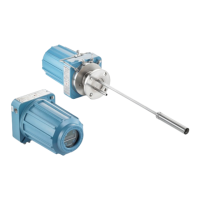
Figure 1-2 shows the relationship between the components of the Hazardous Area OCX
8800. The sensors and the electronics are contained in separate housings. The sensor
housing and probe mounts to a duct or process wall so that the probe protrudes into the flue
gas stream. An air powered eductor continuously pulls samples of the process flue gas
through the probe to a chamber in front of the sensor housing where the sample passes the
O
2
sensor and continues on to the COe sensor. Dilution air is provided to the COe sensor and
reference air to the O
2
sensor. After the gas sample flows past the O
2
sensor and through the
COe sensor, it is drawn through the eductor where it mixes with the eductor air and exits
through exhaust back into the system. The electronics housing contains the CPU and
communication boards which convert the sensor inputs into digital output signals. The CPU
can also initiate and perform calibrations. Three test gasses and instrument air can be turned
on and off by solenoids. Test gas flow to the sensors is regulated by a flow meter between the
electronics and sensor housings. Instrument air is separated into eductor air, reference air,
and dilution air. The instrument air solenoid does not allow air flow until the heaters are up to
temperature. This minimizes the amount of sampled process flue gas being pulled into cold
sensors causing condensation.
Figure 1-2 System Operation Diagram


 To Next Page
 Loading...