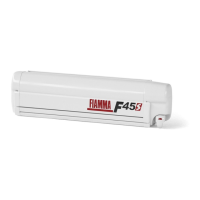
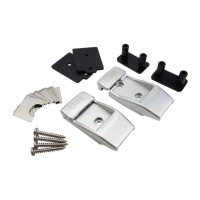
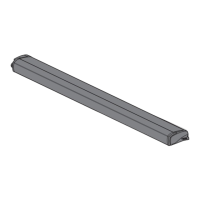
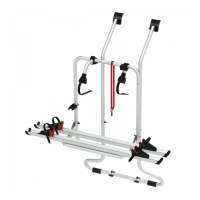
The Fiamma Clip System F45i is an accessory designed to enhance the functionality and stability of a Fiamma F45i awning, primarily by providing a secure and weather-resistant enclosure. This system allows users to transform their existing awning into a more protected living space, suitable for various outdoor conditions.
Function Description:
The core function of the Clip System F45i is to create a robust and integrated enclosure beneath a Fiamma F45i awning. It achieves this by providing a mechanism to securely attach side and front panels to the awning structure, effectively sealing off the area. This transformation offers several benefits:
- Weather Protection: The system helps to protect against wind, rain, and sun, creating a more comfortable and usable space regardless of external conditions. The secure attachment minimizes drafts and prevents water ingress, making it suitable for extended stays or adverse weather.
- Increased Living Space: By enclosing the area under the awning, the Clip System expands the usable living or storage space of a recreational vehicle. This additional area can be used for dining, relaxation, or as a sheltered space for equipment.
- Privacy: The attached panels provide privacy, which is particularly valuable in crowded campsites or when desiring a more secluded environment.
- Stability: The structural components of the Clip System, such as the tension rafters and vertical poles, contribute to the overall stability of the awning, especially in windy conditions. They help to distribute tension and prevent the awning fabric from flapping excessively.
The system is designed for easy integration with the F45i awning, utilizing existing channels and attachment points. It typically involves a combination of tension rafters, vertical poles, and a clipping mechanism that secures the fabric panels to the awning's lead bar and side arms.
Usage Features:
The Clip System F45i is designed with user-friendliness in mind, offering straightforward installation and operation.
- Modular Installation: The system is installed in a modular fashion, allowing users to attach components step-by-step. This typically begins with preparing the awning, extending it fully, and then installing the structural elements of the Clip System.
- Tension Rafters: A key feature involves the use of tension rafters, which are inserted into the awning's side channels. These rafters provide lateral support and a secure attachment point for the side panels. They are often telescopic, allowing for adjustment to ensure proper tensioning of the awning fabric and the enclosure panels. The rafters are designed to be easily inserted and locked into place, often with a simple lever or clip mechanism.
- Vertical Poles: Vertical poles are used to support the front of the enclosure, providing height and stability. These poles typically extend from the ground to the awning's lead bar or to specific attachment points on the front panel. They are often adjustable in height to accommodate different vehicle heights and ground levels.
- Clipping Mechanism: The "Clip System" name refers to the method of attaching the fabric panels. This often involves a series of clips or a continuous profile that slides into channels on the awning's lead bar and side arms. This ensures a tight and secure seal between the panels and the awning, minimizing gaps.
- Panel Attachment: The side and front panels, which are typically sold separately or as part of a complete enclosure kit, are designed to integrate seamlessly with the Clip System. They feature specific attachment points, such as zippers, Velcro, or keder strips, that connect them to each other and to the Clip System components.
- Adjustability: Many components of the Clip System, such as the tension rafters and vertical poles, offer adjustability. This allows users to fine-tune the setup to achieve optimal tension, stability, and fit, compensating for uneven ground or slight variations in awning extension.
- Quick Setup and Takedown: While providing a robust enclosure, the system is engineered for relatively quick setup and takedown. The modular design and intuitive attachment mechanisms reduce the time and effort required to deploy or stow the enclosure.
- Compact Storage: When not in use, the components of the Clip System are designed to be disassembled and stored compactly, typically in dedicated bags, minimizing the space they occupy in the vehicle.
Maintenance Features:
Maintaining the Clip System F45i is crucial for its longevity and continued performance.
- Regular Cleaning: The structural components, such as the aluminum tension rafters and poles, should be regularly cleaned to remove dirt, dust, and grime. A mild soap and water solution is usually sufficient. This prevents accumulation that could hinder smooth operation or cause wear.
- Lubrication: Moving parts, such as telescopic pole mechanisms or locking levers, may benefit from occasional lubrication with a silicone-based spray to ensure smooth extension and retraction. Care should be taken not to over-lubricate or use products that could attract dirt.
- Inspection for Damage: Before and after each use, it is important to inspect all components for signs of wear, bending, cracks, or other damage. This includes checking the integrity of the clips, the straightness of the poles, and the condition of any plastic parts. Damaged components should be repaired or replaced promptly to prevent further issues or compromise the system's stability.
- Fabric Care: While the Clip System itself consists of hardware, it is intrinsically linked to the fabric panels of the enclosure. These panels require specific care, including cleaning with appropriate awning cleaners, ensuring they are dry before storage to prevent mildew, and repairing any tears or punctures.
- Proper Storage: When not in use, the Clip System components should be stored in a clean, dry environment, preferably in their original bags or protective covers. This protects them from dust, moisture, and physical damage.
- Tension Management: During use, it's important to properly tension the system without overtightening, which could stress components or the awning fabric. Conversely, insufficient tension can lead to instability and flapping. Regular checks of tension during use, especially in changing weather conditions, are recommended.
- Component Replacement: Fiamma typically offers replacement parts for individual components of the Clip System. This allows users to replace worn or damaged parts without needing to purchase an entirely new system, contributing to its long-term usability.


 To Next Page
 Need help?
 General