EasyManua.ls Logo

Forcepoint V20000 G1 - User Manual

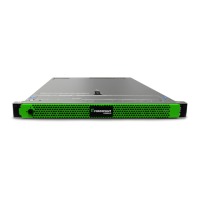
Forcepoint V20000 G1
2 pages
Print Icon
To Next Page IconTo Next Page
Loading...
Quick Start Guide
Forcepoint V20000 G1
Forcepoint V10000 G4R2
Web or Email Security Appliance
See the Rack Installation Instructions included in the
Sliding Ready Rail kit.
Contact Forcepoint Technical Support if any items are missing.
Optional 10GbE NIC Expansion Kit available. Contact your Forcepoint
account representative.
Bezel (faceplate)
Power Cables (2)
Ethernet Cables (4)
Accessory Kit
1
Sliding Ready Rail Kit
2
Left Ready Rail
Right Ready Rail
Velcro Straps (2)
Rack Installation Instructions
Cable Management Arm Kit
3
Cable Management Arm
Static Support Tray
Cable Tie Wraps
CMA Installation Instructions
2
1
1. Connect to the appliance via serial port or KVM in order to access the command line interface for
initial configuration. Serial port settings are: 9600 baud, 8 bits, no parity.
2. Secure power cables using velcro straps and plug power
cables into an appropriate power source.
5
Connect Input Device
Rack Appliance
Power on the appliance and check the following indicators:
Contact Forcepoint Technical Support if any indicators are not
illuminated correctly.
Front
Power button is illuminated.
Hard drive LEDs are green.
Rear
Power supply LEDs are green.
LEDs for connected interfaces (NICs) are green.
System status indicator (LED left of power supplies) is solid
blue.
6
Power On Appliance
Please refer to the Forcepoint Appliances Getting Started guide
for more details.
Initial Configuration
Firstboot Script
Configure security mode.
Configure the appliance management communication
interface (C).
Configure NTP servers/system time.
Appliance Command Line
Configure applicable network interfaces.
Configure other settings as desired.
Web Mode
Forcepoint Security Manager
Enter subscription key, update Master Database, configure
Network Agent, and configure policies in Forcepoint
Security Manager.
Requires Windows Server 2008 R2, or Windows Server 2012
or 2012 R2, or Windows Server 2016.
Content Gateway Manager (proxy)
Configure user authentication and select protocols.
Email Mode
Forcepoint Security Manager
Complete configuration wizard, enter subscription key, and
configure policies in the Email Security module. Configure
email DLP policies in the Data Security module.
Requires Windows Server 2008 R2, or Windows Server 2012
or 2012 R2, or Windows Server 2016.
7
Configuration Overview
Verify Contents
Plan your deployment before setting up the appliance. See the
back of this guide for a deployment overview and reference sheet.
Before you begin...
The appliance supports the following security modes:
3
Determine Security Mode
Based on your subscription and deployment plan, determine the appropriate security mode for this
appliance.
• Web (Forcepoint Web Security)
• Email (Forcepoint Email Security)
Cat 5E cables (or better) are required.Do not use crossover network cables. If optional 10GbE optical
NIC is selected, please refer to 10GbE PCI NIC Installation Guide.
4
Connect Network Cables
QSGV640-100_RevA
Serial Cable
©2018 Forcepoint LLC. All rights reserved.
iDRAC Serial Port KVM


Other manuals for Forcepoint V20000 G1

Question and Answer IconNeed help?

Do you have a question about the Forcepoint V20000 G1 and is the answer not in the manual?

Overview

This document describes the Forcepoint V20000 G1 and Forcepoint V10000 G4R2 appliances, which are designed for Web or Email Security. It covers initial setup, network configuration, and deployment overview.

Function Description

The Forcepoint appliances are security devices that can operate in two primary security modes:

  • Web Security: Utilizes Forcepoint Web Security to act as a Content Gateway proxy, receiving Internet requests and communicating with Web servers. It also enables the Network Agent to monitor Internet requests.
  • Email Security: Utilizes Forcepoint Email Security to receive and send email, and facilitates personal email management and cluster communication.

The appliance integrates with Forcepoint Security Manager for policy configuration, log management, and overall system administration. It can also connect to a Content Gateway Manager for user authentication and protocol selection in Web mode, and manage email DLP policies in the Data Security module for Email mode.

Important Technical Specifications

Network Interfaces:

The appliance features several network interfaces, each with specific functions:

  • C (Management Communication Interface): Provides communication with other Forcepoint components, including Forcepoint Security Manager. It handles database downloads from the Internet and provides access to the Content Gateway Manager.
  • P1 & P2 (Email/Web Security Interfaces):
    • In Web Mode, these interfaces enable the Content Gateway proxy to receive Internet requests and communicate with Web servers.
    • In Email Mode, they enable Forcepoint Email Security to receive and send email, and facilitate personal email management and cluster communication.
    • P2 is optional and can be connected to a router or switch.
  • N (Network Agent Interface): Allows the Network Agent to monitor Internet requests. If sending blocking information through N, it should be connected to a bidirectional span, monitor, or mirror port on a switch.
  • E1 & E2 (NIC Teaming Failover): These interfaces are optionally bonded to P1 and P2, respectively, providing redundancy.

Cabling Requirements:

  • Cat 5E cables (or better) are required for network connections. Crossover network cables should not be used.
  • For optional 10GbE optical NICs, a separate "10GbE PCI NIC Installation Guide" should be consulted.

Initial Configuration Access:

  • The appliance can be accessed via serial port or KVM for initial command line interface (CLI) configuration.
  • Serial port settings: 9600 baud, 8 bits, no parity.

System Requirements for Forcepoint Security Manager:

  • Windows Server 2008 R2
  • Windows Server 2012 or 2012 R2
  • Windows Server 2016

Usage Features

Deployment Planning:

  • Before setting up the appliance, users are advised to plan their deployment.
  • A separate computer running Windows Server is required for Forcepoint Security Manager.

Initial Configuration Steps (Firstboot Script):

  1. Configure the security mode (Web or Email).
  2. Configure the appliance management communication interface (C).
  3. Configure NTP servers and system time.

Appliance Command Line Configuration:

  • Configure applicable network interfaces.
  • Configure other desired settings.

Web Mode Configuration (via Forcepoint Security Manager):

  1. Enter the subscription key.
  2. Update the Master Database.
  3. Configure the Network Agent.
  4. Configure policies.

Content Gateway Manager Configuration (proxy):

  • Configure user authentication.
  • Select protocols.

Email Mode Configuration (via Forcepoint Security Manager):

  1. Complete the configuration wizard.
  2. Enter the subscription key.
  3. Configure policies in the Email Security module.
  4. Configure email DLP policies in the Data Security module.

Physical Installation:

  • The appliance comes with a sliding ready rail kit for rack mounting.
  • A cable management arm kit is included for organizing cables.

Power On and Status Indicators:

  • Front: Power button illuminated, hard drive LEDs green.
  • Rear: Power supply LEDs green, LEDs for connected interfaces green, system status indicator (LED left of power supplies) solid blue.
  • If any indicators are not illuminated correctly, Forcepoint Technical Support should be contacted.

Maintenance Features

Included Accessories:

  • Power Cables (2)
  • Ethernet Cables (4)
  • Serial Cable
  • Bezel (faceplate)
  • Sliding Ready Rail Kit (Left Ready Rail, Right Ready Rail, Velcro Straps (2), Rack Installation Instructions)
  • Cable Management Arm Kit (Cable Management Arm, Static Support Tray, Cable Tie Wraps, CMA Installation Instructions)

Cable Management:

  • Velcro straps are provided to secure power cables.
  • A cable management arm kit helps organize network cables.

Troubleshooting:

  • If any items are missing from the accessory kit, Forcepoint Technical Support should be contacted.
  • If status indicators are not illuminated correctly after power-on, Forcepoint Technical Support should be contacted.

Documentation and Support:

  • The "Forcepoint Appliances Getting Started" guide provides more detailed information.
  • Online support and contact information are available at support.forcepoint.com/documentation and support.forcepoint.com.

Forcepoint V20000 G1 Specifications

General IconGeneral
BrandForcepoint
ModelV20000 G1
CategoryNetwork Card
LanguageEnglish

Related product manuals