
 To Next Page
B
BarrettOct 13, 2026
Do I need to buy a transmitter with the Gemini UHF-04 wireless microphone system?

Do I need to buy a transmitter with the Gemini UHF-04 wireless microphone system?
Covers electrical shock, cleaning, ventilation, power, grounding, cords, lightning, liquids, and servicing.
Covers risks related to heat, electricity, outdoor use, and proper cord handling.
Details precautions for moisture, heat, power, ventilation, and liquid entry.
Instructions for powering on, extending antennas, and adjusting levels.
Explains how to obtain a Return Authorization Number (RA#) and send the product.
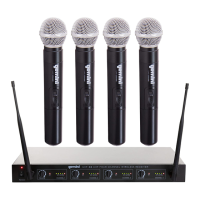
The Gemini UHF-04 is a wireless microphone system designed for various audio applications, offering a blend of functionality and user-friendly features. This system is primarily used to transmit audio wirelessly from microphones to an amplifier, providing freedom of movement without the constraints of cables.
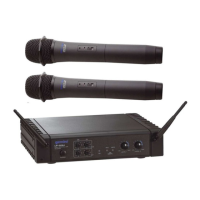
The core function of the UHF-04 system is to provide wireless audio transmission. It consists of a receiver unit and multiple transmitters (handheld microphones and belt-pack transmitters with lapel or headset mics). The receiver is a four-channel unit, meaning it can simultaneously receive signals from up to four individual wireless microphones or transmitters. This makes it suitable for scenarios requiring multiple speakers or performers, such as conferences, live performances, or educational settings.
The system operates on Ultra High Frequency (UHF) bands, which are generally less susceptible to interference compared to other frequency ranges, ensuring clearer audio transmission. The receiver unit features individual volume controls for each channel, allowing users to balance the audio levels of each connected microphone independently. It also includes RF (Radio Frequency) and AF (Audio Frequency) indicators for each channel, providing visual feedback on signal reception and audio presence.
For output, the receiver offers both mixed balanced XLR and mixed unbalanced 1/4" outputs, allowing connection to a wide range of amplifier systems and audio mixers. Additionally, it provides individual 1/4" outputs for each of the four channels, offering more granular control over the audio routing for professional setups. The system also incorporates squelch controls for each channel, which are crucial for minimizing unwanted background RF noise, especially in environments with significant interference.
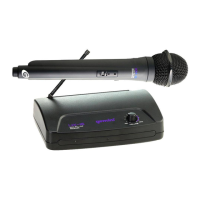
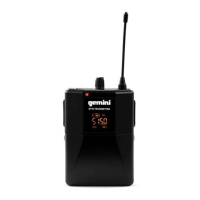
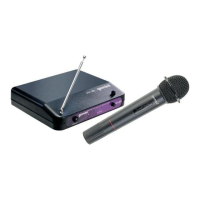
The handheld microphones are dynamic and designed for vocal use, featuring an integrated grille that protects the capsule. They include a power/low battery indicator and a power ON/OFF/MUTE switch, offering convenient control during use. The belt-pack transmitters are designed to be worn on the body and connect to either a lapel microphone or a headset microphone, providing hands-free operation. These transmitters also feature a power indicator, low battery indicator, and a power ON/OFF switch, along with a volume control for the connected microphone.
Setting up the UHF-04 system is straightforward. The receiver connects to an amplifier system via a supplied 6.35mm to 6.35mm lead, plugging into the MIC INPUT socket. Power is supplied to the receiver via an AC power adapter. Once the receiver is powered on and its aerials are fully extended, the transmitters can be switched on. The receiver's RF indicator will light up upon successful signal reception from a transmitter, and the AF LEVEL indicators will blink to show the sound level when someone speaks into the microphone. Audio levels can then be adjusted on both the receiver and the amplifier.
The handheld microphones require two AA batteries and are activated by sliding the power switch to the "ON" position. A brief flash of the power indicator confirms correct operation. The "MUTE" position on the switch allows for temporary silencing of the microphone. Similarly, the belt-pack transmitters also use two AA batteries and connect to either a lapel or headset microphone via a MIC IN jack. The metal slip ring on the plug ensures a secure connection.
A key usage feature is the squelch control located on the rear of the receiver. While preset at the factory, this control can be adjusted by the user to eliminate unwanted background RF noise, particularly in areas with high RF interference. This ensures that the system only receives the signal from the intended transmitter. However, users should be aware that adjusting the squelch too high can reduce the usable range of the wireless transmitter, so it's recommended to set it to the lowest position that effectively mutes unwanted RF signals.
The system provides clear visual indicators for battery status. On the handheld microphones, a red light on the power LED indicator signifies a low battery, prompting replacement. The belt-pack transmitters also have a low battery indicator that lights red when the battery level is critical.
Proper maintenance is essential for the longevity and reliable operation of the UHF-04 system. Users are advised to handle the wireless system carefully to prevent damage from drops or shocks. The system should not be exposed to rain or moisture, and any liquid spills should prompt immediate cessation of use and a check by a qualified technician.
The main power adapter and lead for the receiver should be handled with care, and if damaged, they should not be used, and repair should be sought from a qualified technician. Only the supplied components, including the power adapter, should be used with the system.
Battery management is a crucial maintenance aspect. Both handheld and belt-pack transmitters require two AA batteries. Users are instructed to install batteries with correct polarity and to replace them with the same or an equivalent type when the low battery indicator lights up. For prolonged periods of non-use, it is strongly recommended to remove the batteries from the transmitters to prevent leakage, which can damage the microphone. In case of electrolyte leakage, the leakage should be carefully removed with a damp cloth, taking care to avoid skin contact. If skin contact occurs, hands should be washed under running tap water, and if electrolyte comes into contact with eyes, medical advice should be sought immediately. Old batteries should be disposed of in an environmentally friendly manner, adhering to local regulations.
Cleaning the system should be done without solvents, as these can damage the components. The manual emphasizes that there are no user-serviceable parts inside the system, and all servicing should be referred to a qualified technician. This ensures that any repairs or internal maintenance are performed correctly and safely, preventing further damage or hazards. The manual also includes general safety instructions, such as avoiding placement near heat sources like radiators or stoves, and ensuring proper ventilation for the receiver unit to prevent overheating.
 General
| Type | UHF Wireless Microphone System |
|---|---|
| Frequency Bands | UHF |
| Channels | 4 |
| RF Power Output | 10mW |
| Modulation | FM |
| Audio Frequency Response | 50Hz-15kHz |
| Dynamic Range | >100dB |
| THD | <0.5% |
| Battery Type | AA |