11
THEATER FACTS
It was through a coincidence that I came up with the
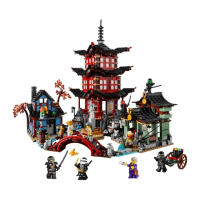
theater. It just so happened that the Temple of Airjitzu was
being designed at the same time that I stumbled upon this
alternate use of the light brick, so I knew I had to add this fun
new function to the model. The use of shadows can be very
symbolic, and it seemed like a perfect fit in the context of
the NINJAGO world. It’s also an exciting new way of using the
light brick, since its 2x3 size can make it a bit clumsy to fit
into certain models.
In the days designing the theater and the mechanics behind
it, I started playing around with different elements that had
interesting effects, such as transparency or odd pieces
that projected different kinds of shadows. Once I decided
on using the tiny yet adorable trophy figure to represent
the characters, the next step was adding movement. A
fun challenge was linking the functions together, giving it
this old-time kinetoscope feel. You will also notice how the
shadows of the characters grow and shrink in size depending
on their distance from the light. If the stone steps are
removed on the left side, you can also remove the light brick
easily by tapping the wall.
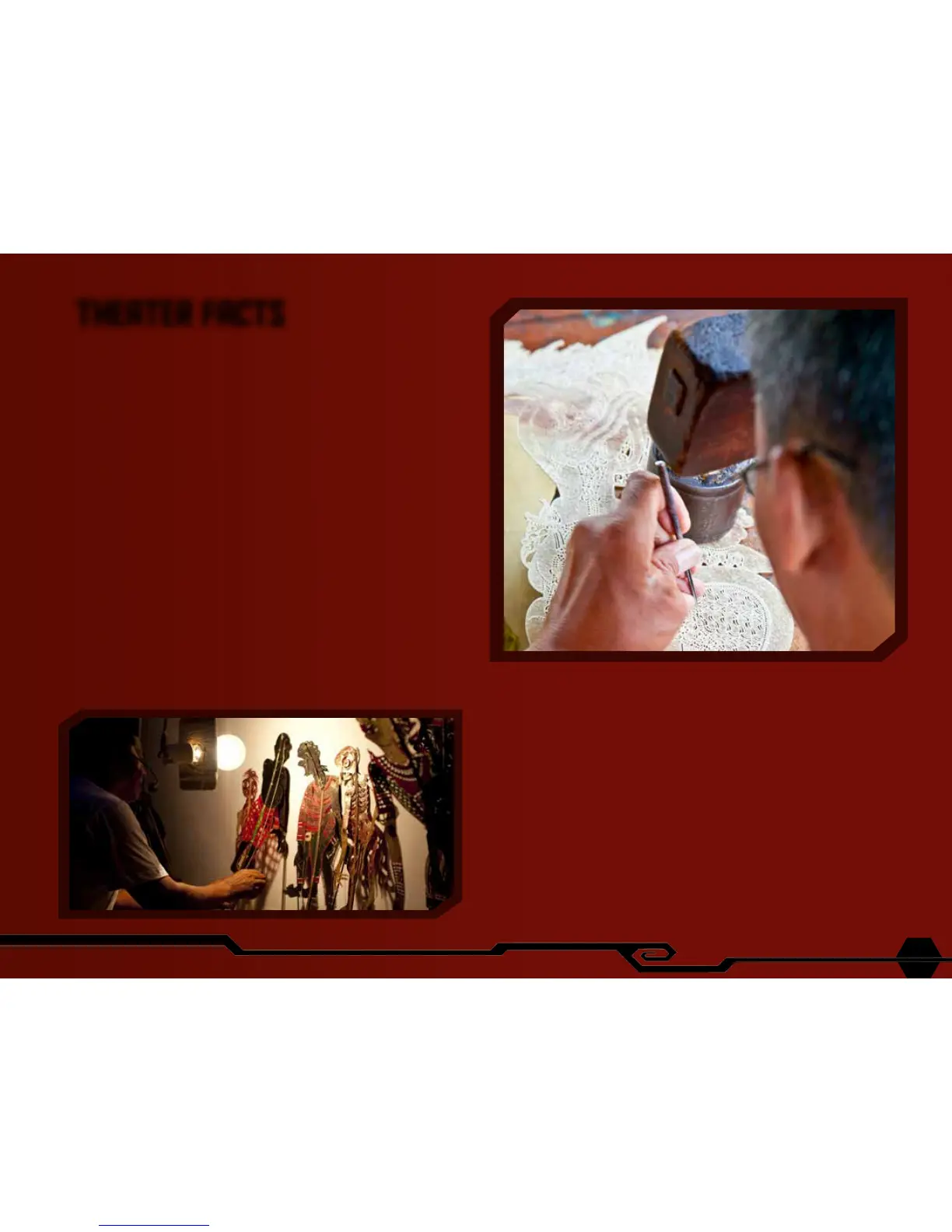
The shadow play has served as a simple yet captivating form
of storytelling since ancient times, and has been a part of
mythology and entertainment throughout history. Long before
the invention of film, the original shadow theater came to
be in ancient China, and quickly spread throughout Asia as
a traditional art form. Groups of traveling artists would set
up plays using myths and legends as subjects and music to
accompany the story. I have also heard that it brings good luck!
I think it’s a very fun and original function that I hope everyone
will enjoy. You can add to it to create your own story, and there
are no limits to its functionality. Some say it tells the story of two
brothers fighting an unstoppable foe, but I like to think of it as
open to interpretation.



 To Next Page