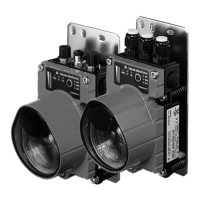
Fig. 5 Storage / non-storage of data outputs
3.4.4 Signal profile
Fig. 6 demonstrates the signal profile from the transmitter to the receiver during
transmission of 1 serial telegram.
Fig. 6 Signal profile
Data inputs (DI) The signals at the 8 data inputs are transformed into a serial telegram with a parity
bit and an address, and transmitted.
Transmit input (TX) With the positive flank of the TX signal, the waiting data is taken over by the inputs
and transmitted. The transmit signal must be applied for at least 300
μ
s.
Continuous activation of TX is possible, in which case the input data is transmitted
continuously.
In the case of inactivation, transmission of the current telegram is completed. TX
does not affect the receiving characteristics.
Benefits
•
The receiver never receives garbled telegrams
•
Point-by-point data transmission is possible (transmission of a single telegram)
Data valid output (DV) This output signals the presence of valid data at the receiver. In the event of a
faulty transmission or if the light beam has been interrupted, the output remains in-
active ("O").
Data outputs (DO) In the no-signal status, the outputs are set at "O", active signals are indicated by "l".
Interruption of beam
Transmission data
Data valid
Outputs- not saved
Outputs - saved
Transmitter
Receiver (not stored)
Receiver (control via output enable)
TX
DI
DV
DO
OE
DO
Leuze electronic DLSP 160S 9


 To Next Page
 Loading...