EasyManua.ls Logo

Maxus MIFA 9 2022 - User Manual

Maxus MIFA 9 2022
4 pages
Print Icon
To Next Page IconTo Next Page
Loading...
9.
High
voltage
component
VIP type seat
of 2nd row
Other type seats
of 2nd row
4.
Airbag
Stored
gas inflator
Seat belt
pretensioner
SRS control
unit
Gas strut/
Preloaded
spring
High
strength
zone
Zone
requiring
special
attention
Battery
low voltage
High
voltage
battery
pack
High voltage
power cable/
component
Fuse box
disabling
high voltage
system
Li-ion Battery
395V
MAXUS MIFA
MPV,5 Doors
2022-
ID No.
01 06/2022 1 of 4
Version No. Version date Page
LSK-MIFA-EV-E001
Question and Answer IconNeed help?

Do you have a question about the Maxus MIFA 9 2022 and is the answer not in the manual?

Summary

Identification and Recognition

Immobilisation, Stabilisation, and Lifting

Vehicle Immobilisation and Stabilisation

Secure vehicle using P gear and parking brake; click 'power off' button on screen.

Vehicle Lifting Procedures

Identify suitable lifting points and high-voltage battery location for safe lifting.

Disabling Direct Hazards and Safety Regulations

Main Method to Disable Direct Hazards

Turn off vehicle by pressing the power button or via the screen.

Emergency Shutdown for Hazard Disabling

Alternative method: press hazard lamps 5 times in 3 seconds, then disconnect 12V battery.

Deactivating High-Voltage System (Interior)

Interior deactivation: open driver compartment, pull F27 fuse, and disconnect 12V battery.

Disconnecting from Charging Station

Emergency release procedure: remove side panel, locate and pull emergency release loop.

Accessing 12 V Battery

Access the 12V battery by pulling the switch twice to open the hood and opening the cover.

Access to Occupants

Occupant Access Features

Details seat adjustment (manual/electric, 1st/2nd row), VIP seats, and steering column adjustment.

Vehicle Body and Glass Information

Information on laminated/tempered glass and high strength body areas.

Stored Energy, Liquids, Gases, and Solids

Vehicle Fluid and Energy Storage

Details stored energy (395V, 12V), coolant (R-1234yf), and potential thermal reaction risks.

In Case of Fire

Firefighting Procedures

Use large amounts of water; allow battery to burn if direct application is difficult.

In Case of Submersion

Submersion Response

Wear PPE, remove vehicle from water, follow deactivation procedures, handle salt water risks.

Towing, Transportation, and Storage

Towing and Transportation Guidelines

Illustrates correct and incorrect methods for towing, transportation, and storage.

Important Additional Information

Centre Airbag Information

Highlights the location and importance of the centre airbag system.

Explanation of Pictograms Used

Hazard and Warning Pictogram Guide

Provides explanations for various pictograms related to safety, hazards, and components.

Summary

Identification and Recognition

Immobilisation, Stabilisation, and Lifting

Vehicle Immobilisation and Stabilisation

Secure vehicle using P gear and parking brake; click 'power off' button on screen.

Vehicle Lifting Procedures

Identify suitable lifting points and high-voltage battery location for safe lifting.

Disabling Direct Hazards and Safety Regulations

Main Method to Disable Direct Hazards

Turn off vehicle by pressing the power button or via the screen.

Emergency Shutdown for Hazard Disabling

Alternative method: press hazard lamps 5 times in 3 seconds, then disconnect 12V battery.

Deactivating High-Voltage System (Interior)

Interior deactivation: open driver compartment, pull F27 fuse, and disconnect 12V battery.

Disconnecting from Charging Station

Emergency release procedure: remove side panel, locate and pull emergency release loop.

Accessing 12 V Battery

Access the 12V battery by pulling the switch twice to open the hood and opening the cover.

Access to Occupants

Occupant Access Features

Details seat adjustment (manual/electric, 1st/2nd row), VIP seats, and steering column adjustment.

Vehicle Body and Glass Information

Information on laminated/tempered glass and high strength body areas.

Stored Energy, Liquids, Gases, and Solids

Vehicle Fluid and Energy Storage

Details stored energy (395V, 12V), coolant (R-1234yf), and potential thermal reaction risks.

In Case of Fire

Firefighting Procedures

Use large amounts of water; allow battery to burn if direct application is difficult.

In Case of Submersion

Submersion Response

Wear PPE, remove vehicle from water, follow deactivation procedures, handle salt water risks.

Towing, Transportation, and Storage

Towing and Transportation Guidelines

Illustrates correct and incorrect methods for towing, transportation, and storage.

Important Additional Information

Centre Airbag Information

Highlights the location and importance of the centre airbag system.

Explanation of Pictograms Used

Hazard and Warning Pictogram Guide

Provides explanations for various pictograms related to safety, hazards, and components.

Overview

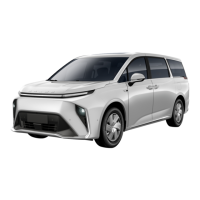
The MAXUS MIFA MPV.5, model year 2022, is an electric vehicle designed with a focus on safety, passenger comfort, and efficient operation. This document provides essential information for identification, immobilization, hazard disablement, occupant access, and emergency procedures.

Function Description:

The MAXUS MIFA MPV.5 is a multi-purpose vehicle (MPV) designed for passenger transport. It features a high-voltage electric propulsion system, indicated by the 395V Li-ion battery. The vehicle incorporates various safety systems, including airbags, seat belt pretensioners, and a high-strength zone in its body structure. It also includes an SRS (Supplemental Restraint System) control unit for managing these safety features. The vehicle is equipped with a fuse box for disabling the high-voltage system, which is a critical safety feature for emergency responders.

Important Technical Specifications:

  • Model: MAXUS MIFA MPV.5
  • Model Year: 2022
  • Battery Type: Li-ion
  • Battery Voltage: 395V (High Voltage)
  • 12V System Voltage: 12V
  • Air Conditioning Refrigerant: R-1234yf, 1000g
  • Body Structure: High-strength body areas, laminated glass (A), and tempered glass (B).
  • Seating: VIP type seats for the 2nd row, with manual and electric adjustment options for 1st and 2nd row seats. A 3rd row is also present.
  • Safety Systems: Airbags (including a center airbag), seat belt pretensioners, SRS control unit.
  • High Voltage Components: Clearly marked with a yellow triangle and lightning bolt symbol. High voltage power cables are orange.

Usage Features:

  • Immobilization: The vehicle can be immobilized by engaging the P gear and parking brake (a single button press) and then clicking the "power off" button on the screen. This ensures the vehicle is secure and the propulsion system is deactivated.
  • Emergency Shutdown (Alternative Method): In an emergency, the vehicle can be shut down by pressing the hazard warning lamp switch 5 times in 3 seconds, followed by disconnecting the 12 Volt battery.
  • Deactivating High-Voltage System (Vehicle Interior): To deactivate the high-voltage system from the interior, open and remove the driver-side compartment, pull out the F27 fuse, and then disconnect the 12 Volt battery.
  • Disconnecting from Charging Station (Emergency Release): If the vehicle is connected to a charging station, an emergency release mechanism is available. This involves removing the left side panel, locating the emergency release loop, and pulling it.
  • Access to 12V Battery: The 12V battery can be accessed by pulling a switch twice to open the hood and then opening the cover.
  • Occupant Access: The document illustrates seat adjustment options (manual and electric) for the 1st, 2nd, and 3rd rows, as well as steering column adjustment. VIP seating is available in the 2nd row.
  • Towing/Transportation: The vehicle can be towed or transported using specific methods, as indicated by the green checkmarks and red crosses in the diagrams. It is crucial to use appropriate towing procedures to avoid damage to the high-voltage system.
  • Warning Indicators: The vehicle uses various pictograms to indicate hazards and important information, such as flammable materials, hazardous to human health, acute toxicity, corrosives, environmental hazards, explosives, electricity warnings, and general warnings. Specific symbols are used for low voltage devices that disconnect high voltage, electric vehicles, and air-conditioning components.

Maintenance Features:

  • Safety Regulations: Always assume the vehicle is powered, even if silent. Ensure the vehicle is immobilized and the propulsion system is deactivated before maintenance. Never touch, cut, or open orange high-voltage power cables or components. In case of airbag deployment or seat belt pretensioner activation, the propulsion system will be disabled, but restraint systems remain active.
  • Coolant System: If coolant escapes from the battery cooling system, there is a risk of a thermal reaction in the high-voltage battery. It is critical to monitor the temperature of the high-voltage battery in such situations.
  • Fire Safety: In case of fire, use a large amount of water. If it is difficult to apply copious amounts of water to the high-voltage battery, it is recommended to allow the battery to burn itself out. Be aware of the risk of battery re-ignition. An infrared camera (IR SSS) can be used to monitor the fire.
  • Submersion: If the vehicle is submerged, wear appropriate PPE. Remove the vehicle from the water and continue with the deactivation procedure (as described in chapter 3). Vehicles submerged in salt water have a greater potential risk of a high-voltage battery fire.
  • Fuse Box: The fuse box allows for disabling the high-voltage system, which is a key maintenance and emergency feature.
  • Smart Key Removal: The "Remove smart key" pictogram suggests that removing the smart key may be part of certain maintenance or safety procedures.


Maxus MIFA 9 2022 Specifications

General IconGeneral
BrandMaxus
ModelMIFA 9 2022
CategoryAutomobile Accessories
LanguageEnglish