

EasyManua.ls Logo

Meskotech BOOMERANG BMHSPI0 - User Manual

Meskotech BOOMERANG BMHSPI0
8 pages
Print Icon
To Next Page IconTo Next Page
Loading...
Boomerang
Boomerang
BOOMERANG DMR HOTSPOT
PI-STAR MMDVM DUPLEX DUAL BAND VHF / UHF
BMHSPI3/BMHSPI0
DMR hotspot repeater
CQRADIOS.COM
Description:
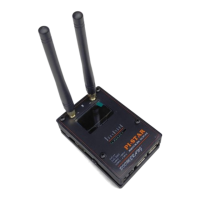
The Boomerang DMR hotspot repeater is based on the Pi-Star software, uses
a duplex MMDVM board and comes with dual antennas. This unit allows for
usage of both time slot 1 and time slot 2 simultaneously. It uses a large OLED
with a white-on-black configuration display for better viewing. It also
provides both WiFi and RJ45 network connections and comes in a 3D printed
case.
The Boomerang hotspot comes preconfigured to require minimal setup by the user.
For more details and custom configurations, please refer to https://pistar.uk
CONFIGURATION INSTRUCTIONS
BMHSPI0 BMHSPI3
Modes
Frequency Range
Bands
Time Slots
Processor
Software
SD card
Power
Antennas
Connectivity
DMR, YSF, C4FM, P25, NXDN, DSTAR, POCSAG
144MHz-148MHz, 420MHz-475MHz
VHF / UHF
TS1 & TS2
PI 0 PI 3 B+
Pi-Star (open source)
Class 10 16Gb
5VDC 2A mini USB 5VDC 3A Micro USB
2 – 3dBi
WIFI WIFI / RJ45 Ethernet
BMHSPI0
WIFI
BMHSPI3
WIFI + Ethernet
Connecting to the Boomerang
There are 2 methods to connect to the Boomerang hotspot.
1 - Using the LAN (BMHSPI3 only):
• Type pi-star.local on a web browser in a computer that
is connected to the same LAN
• If the pi-star.local does not work, use the unit’s IP
address instead of pi-star.local
• The IP address can be found through the router or
using an IP address network scanner software.
2 - Using wireless (BMHSPI3 and BMHSPI0):
• Using a laptop or smartphone, look for “Pi-Star” or “Pi-
Star Setup” wireless access point which will be
available after the “Startup” message appears on the
hotspot screen.
• Connect to the Pi-Star WIFI access point. A web
browser should open up automatically open on the pi-
star page. If not, open a web browser to connect to
the default Pi-Star gateway IP address 192.168.50.1
2
Powering up the unit
1 – Connect the ethernet port to a DHCP
router (BMHSPI3 - LAN)
2 – Connect the power to the USB port
3 – Allow 1 minute for the BMHSPI3 to
boot up and about 2 minutes for the
BMHSPI0. A “startup” message and the
MMDVM logo will appear on the screen
the during this process indicating the pi-
star software is loading. This could take up
to an additional minute to complete
depending on different variables.
Note:
- Wait for the hotspot to bootup before looking
connecting.
- Disconnecting power while booting up or during
operation can cause file corruption.
Use the “Power OFF” button under Admin > Power
1
Powe
r
Ethernet
Powe
r
Ethernet
PowerPower
Question and Answer IconNeed help?

Do you have a question about the Meskotech BOOMERANG BMHSPI0 and is the answer not in the manual?

Summary

DMR Hotspot Repeater Overview

Configuration Instructions

Steps for initial setup and connecting the Boomerang hotspot.

Powering Up the Unit

Steps to power on the Boomerang hotspot, including connection and boot-up time.

Connecting to the Boomerang Hotspot

Methods to connect to the hotspot via LAN or wireless network.

Power-Up and Login Procedures

Login Screen Details

Details on accessing the login screen with default username and password.

Dashboard Screen Overview

Overview of the Pi-Star Digital Voice Dashboard interface.

General Configuration Settings

General Configuration

Configure hostname, callsign, frequencies, location, and network details.

DMR and Firewall Configuration

DMR Configuration

Settings for DMR master, network, and security.

Firewall and AP Password Configuration

Configure firewall access and set an access point password.

Wireless Network Configuration

Wireless Network Setup

Steps to connect the hotspot to a wireless network.

Backup and Power Management

Backup and Restore Configuration

How to back up and restore the hotspot configuration settings.

Power Management Options

Safe methods for rebooting or powering off the hotspot unit.

Brandmeister Hotspot Configuration

Brandmeister SelfCare Settings

Configure hotspot security and connect to Brandmeister network.

Other Resources and Notes

Additional Resources

Links to create DMR ID, FCC license, Brandmeister account, and location coordinates.

Creating a Test Radio Channel

Guide to setting up a radio channel for testing the hotspot.

Important Notes and Specifications

Details on software, antennas, power usage, and operating temperature.

Overview

The Boomerang DMR Hotspot is a compact, 3D-printed device designed to provide a personal digital radio repeater using the Pi-Star software. It supports multiple digital radio modes and offers flexible connectivity options for amateur radio enthusiasts.

Function Description

The Boomerang DMR Hotspot acts as a personal digital radio repeater, enabling users to connect to digital radio networks like BrandMeister. It utilizes the open-source Pi-Star software and a duplex MMDVM (Multi-Mode Digital Voice Modem) board, allowing for simultaneous operation on two time slots (TS1 and TS2). This duplex capability means it can handle two separate conversations or data streams at once, enhancing its utility for users who need to monitor or participate in multiple talkgroups. The device supports a wide range of digital modes, including DMR (Digital Mobile Radio), YSF (Yaesu System Fusion), C4FM (another term for Yaesu System Fusion), P25 (Project 25), NXDN, DSTAR, and POCSAG, making it a versatile tool for various digital radio protocols.

The hotspot features a large OLED display with a white-on-black configuration, providing clear and easy-to-read information about its operational status. It offers both wired (RJ45 Ethernet, available on BMHSPI3) and wireless (WiFi) network connections, giving users flexibility in how they integrate the device into their home or portable setups. The unit comes preconfigured to minimize user setup, with detailed instructions provided for initial power-up, network connection, and configuration adjustments.

Important Technical Specifications

The Boomerang DMR Hotspot comes in two main variants: BMHSPIO and BMHSPI3, each with slightly different specifications:

General Specifications (applicable to both variants):

  • Modes Supported: DMR, YSF, C4FM, P25, NXDN, DSTAR, POCSAG.
  • Frequency Range: 144MHz-148MHz (VHF) and 420MHz-475MHz (UHF).
  • Bands: VHF/UHF.
  • Time Slots: TS1 & TS2 (duplex operation).
  • Software: Pi-Star (open source).
  • SD Card: Class 10 16Gb.
  • Antennas: 2-3dBi (dual antennas for duplex operation).
  • RF Power Signal: Low, with an expected range of approximately 100-300ft. The stock antennas are optimized for UHF around 433MHz, but higher gain antennas can be used to extend range.

Variant-Specific Specifications:

BMHSPIO:

  • Processor: PI 0 (Raspberry Pi Zero).
  • Power: 5VDC 2A mini USB.
  • Connectivity: WIFI.
  • Operating Temperature: CPU typically runs around 120°C.

BMHSPI3:

  • Processor: PI 3 B+ (Raspberry Pi 3 Model B+).
  • Power: 5VDC 3A Micro USB.
  • Connectivity: WIFI / RJ45 Ethernet.
  • Operating Temperature: CPU typically runs around 135°C. The higher performance of the PI 3 B+ results in more power consumption and heat generation compared to the PI 0.

Usage Features

The Boomerang DMR Hotspot is designed for ease of use, with several features enhancing its operational flexibility:

  • Pre-configuration: The device arrives largely preconfigured, reducing the initial setup burden for users.
  • Dual Antennas: Equipped with two antennas, it supports duplex operation, allowing simultaneous use of both time slot 1 and time slot 2.
  • OLED Display: A large, white-on-black OLED display provides clear status information, making it easy to monitor the hotspot's operation.
  • Flexible Connectivity:
    • Wired (BMHSPI3 only): Connects to a DHCP router via Ethernet. Users can access the configuration interface by typing pi-star.local in a web browser or by using the unit's IP address.
    • Wireless (both BMHSPIO and BMHSPI3): The device broadcasts a "Pi-Star" or "Pi-Star Setup" wireless access point. Users can connect to this AP via a laptop or smartphone, and a web browser will automatically open to the Pi-Star configuration page (or can be manually accessed at 192.168.50.1).
  • Web-based Configuration: All configurations are managed through a web interface, accessible via a browser. This includes:
    • General Configuration: Setting hostname, node callsign, DMR ID, radio frequencies (RX/TX), latitude/longitude, town, country, URL, radio/modem type, node type, APRS settings, system time zone, and dashboard language.
    • DMR Configuration: Selecting the DMR Master (e.g., BrandMeister), setting hotspot security passwords, and configuring network ESSIDs.
    • Firewall and AP Password Configuration: Users can enable/disable the firewall, set access permissions (Private/Public) for Dashboard, ircDDBGateway Remote, and SSH, and configure a password for the wireless access point (AP) to enhance security.
    • Wireless Configuration: Scanning for available wireless networks, selecting a network, entering the password, and saving the connection. The interface displays wireless information and statistics once connected.
  • Test Channel Creation: Instructions are provided for creating a test channel in a radio, including recommended TX/RX frequencies, color code, time slot, and talkgroup (9990 for private call).
  • Brandmeister SelfCare Integration: Users can log into the Brandmeister.network website, access their SelfCare settings, and input the hotspot password to link their device. This allows for managing static talkgroups and monitoring hotspot status within the Brandmeister system.

Maintenance Features

The device incorporates several features to ensure stable operation and allow for easy management:

  • Backup/Restore Functionality: The Pi-Star software includes a backup and restore tool. Users can save their entire configuration to a Zip file, which can then be restored to the same or another Pi-Star unit. This is crucial for disaster recovery or migrating settings.
  • Safe Power Management: Users are strongly advised to use the "Reboot" or "Power OFF" buttons within the Admin > Power section of the web interface before disconnecting power. Abrupt power disconnection can lead to file corruption on the SD card.
  • Software Updates: While not explicitly detailed in the provided snippets, the Pi-Star platform is open-source and regularly updated, implying that users can perform software updates through the web interface to benefit from new features and bug fixes.
  • Troubleshooting Resources: The manual points to https://pistar.uk and online Pi-Star forums for detailed information, custom configurations, and software support, providing a comprehensive knowledge base for users.
  • Operating Environment Considerations: Users are advised that the devices run warm (BMHSPIO ~120°C, BMHSPI3 ~135°C) and should be used in well-vented areas, not exposed to direct sunlight, to prevent overheating and ensure optimal performance. The higher temperature of the BMHSPI3 is attributed to its more powerful processor.

Meskotech BOOMERANG BMHSPI0 Specifications

General IconGeneral
BrandMeskotech
ModelBOOMERANG BMHSPI0
CategoryRepeater
LanguageEnglish