EasyManua.ls Logo

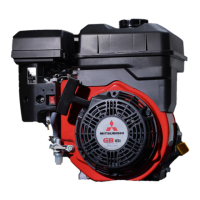
Mitsubishi GB17GPV - User Manual

Mitsubishi GB17GPV
16 pages
Print Icon
To Next Page IconTo Next Page
Loading...
INSTRUCTION MANUAL
Users must read and understand the
contents of this instruction manual, as
well as the pressure washer operators
manual and all labels on the pressure
washer before use.
This instruction manual provides cautions
to ensure proper and safe operations of
the engine. Users must read this manual
and understand the engine’s operating
methods before use. If used improperly,
serious accident or injury could result.
Always keep this instruction manual in a
safe place where you can use it whenever
it may become necessary.
Vertical series
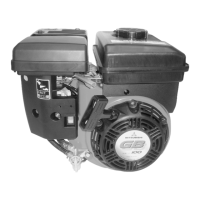
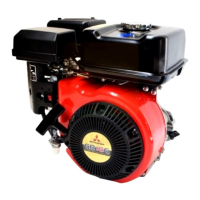
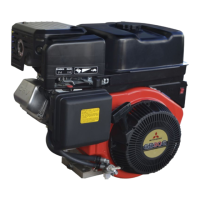
MITSUBISHI GASOLINE ENGINE
Question and Answer IconNeed help?

Do you have a question about the Mitsubishi GB17GPV and is the answer not in the manual?

Overview

This document is an instruction manual for a Mitsubishi Gasoline Engine, specifically the "Vertical series." The manual emphasizes the importance of reading and understanding its contents, as well as the pressure washer operator's manual and all labels on the pressure washer, before use. It highlights that improper use can lead to serious accidents or injuries. The manual should be kept in a safe place for future reference.

Function Description

The Mitsubishi Gasoline Engine is designed to power a pressure washer. Its primary function is to provide the necessary power for the pressure washer's operation. The manual details the procedures for starting, stopping, and maintaining the engine to ensure proper and safe operation.

Important Technical Specifications

The manual includes a "Troubleshooting" section with engine specifications. For the GB17GPV (DV173) model:

  • Bore: 70 mm (2.76 in.)
  • Stroke: 45 mm (1.77 in.)
  • Displacement: 173 cc
  • Oil Capacity (Refill): 0.50 L (16 oz.)
  • Spark Plug Gap: 0.6-0.8 mm (0.024-0.031 in.)
  • Spark Plug Part Number: F7TC, F7RTC, F6TC, F6RTC, BP6ES, or BPR6ES

Usage Features

Starting the Engine:

  • Cold Engine:
    1. Place the choke control in the CLOSED position.
    2. Slowly pull the starter handle until just past compression, then stop. Return the starter handle and firmly pull straight out to avoid excessive rope wear.
    3. Place the choke control in the OPEN position.
  • Warm Engine:
    1. Place the choke control in the OPEN position.
    2. Slowly pull the starter handle until just past compression, then stop. Return the starter handle and firmly pull straight out to avoid excessive rope wear.
    3. Leave the choke in the OPEN position.
  • Cold Weather Starting Hints:
    1. Use the proper oil for the expected temperature.
    2. Disengage all possible external loads.
    3. Use fresh winter-grade fuel, which has higher volatility to improve starting.
  • High Altitude Operation: For altitudes from 2,000-7,000 feet (609.6-2,133.6 meters), a minimum 85 octane/85 AKI (89 RON) gasoline is acceptable. High altitude adjustment is required for emissions compliance. Operating without this adjustment will decrease performance, increase fuel consumption, and increase emissions. Consult an Authorized Dealer for high altitude adjustment information. Operation below 2,000 feet with the high altitude kit is not recommended.

Stopping the Engine:

  • Push and hold the engine stop switch until the engine stops running.
  • Refer to the operating instructions of the equipment this engine powers. Do not operate the engine exceeding its maximum angle of operation, as specified in the table, to prevent engine damage from insufficient lubrication.

Fuel Recommendations:

  • Fuel must meet specific requirements: clean, fresh, unleaded gasoline; octane rating of 87 (R+M)/2 or higher; Research Octane Number (RON) 90 octane minimum.
  • Gasoline with up to 10% ethyl alcohol is acceptable.
  • Methyl Tertiary Butyl Ether (MTBE) and unleaded gasoline blend (max 15% MTBE by volume) are approved.
  • Do not add oil to gasoline.
  • Do not overfill the fuel tank.
  • Do not use gasoline older than 30 days.
  • WARNING: Explosive fuel can cause fires and severe burns. Do not fill the fuel tank while the engine is hot or running. Gasoline is extremely flammable, and its vapors can explode if ignited. Store gasoline only in approved containers, in well-ventilated, unoccupied buildings, away from sparks or flames. Spilled fuel could ignite if it comes into contact with hot parts or sparks from ignition. Never use gasoline as a cleaning agent.
  • E15, E20, and E85 are NOT approved and should NOT be used; effects of old, stale, or contaminated fuel are not warrantable.

Safety Precautions:

  • Explosive Fuel: Can cause fires and severe burns. Do not fill the fuel tank while the engine is hot or running.
  • Carbon Monoxide: Can cause severe nausea, fainting, or death. Avoid inhaling exhaust fumes. Engine exhaust gases contain poisonous carbon monoxide, which is odorless, colorless, and can be fatal.
  • Accidental Starts: Can cause severe injury or death. Disconnect and ground the spark plug lead(s) before servicing.
  • Electrical Shock: Can cause injury. Do not touch wires while the engine is running.
  • Hot Parts: Can cause severe burns. Do not touch the engine while operating or just after stopping. Never operate the engine with heat shields or guards removed.
  • Rotating Parts: Can cause severe injury. Stay away while the engine is in operation. Keep hands, feet, hair, and clothing away from all moving parts. Never operate the engine with covers, shrouds, or guards removed.

Maintenance Features

Maintenance Table:

  • First 5 Hours of Operation: Change oil.
  • Every 8 Hours of Operation or Daily: Check engine oil level, clean the area around the muffler and controls.
  • Every 25 Hours of Operation or Annually: Clean the air filter.
  • Every 50 Hours of Operation or Annually: Change engine oil, check the muffler and spark arrester (if installed).
  • Annually: Replace the air filter, replace the spark plug, clean the air cooling system.

Oil Recommendations:

  • Use Warranty Certified oils for best performance. Other high-quality detergent oils classified for service SF, SG, SH, SJ, or higher are acceptable.
  • Do not use special additives.
  • Outdoor temperatures determine the proper oil viscosity. Use the provided chart to select the best viscosity for the expected outdoor temperature range.

Check Oil Level:

  • Ensure the engine is cool. Clean oil fill/dipstick areas of any debris.
  • Remove the dipstick and wipe oil off.
  • Reinsert the dipstick into the tube, resting it on the oil fill neck. Turn counterclockwise until the cap drops down to the lowest point of the thread leads, but do not thread the cap onto the tube.
  • Remove the dipstick and check the oil level. The level should be at the top of the indicator on the dipstick, or up to the point of overflowing the filler neck if using the oil fill plug.
  • If oil is low, add oil up to the point of overflowing the filler neck.
  • Reinstall the dipstick or oil fill plug and tighten securely.
  • NOTE: Never run the engine with the oil level below or above the operating range indicator on the dipstick to prevent extensive engine wear or damage.

Change Oil:

  • Change oil while the engine is warm.
  • Clean the area around the oil fill cap/dipstick and drain plug.
  • Remove the drain plug and oil fill cap/dipstick. Drain oil completely.
  • Reinstall the drain plug. Torque to 18-25 N·m (159-221 in.lbs.).
  • Fill the crankcase with 0.50 L (16 oz.) of new engine oil.
  • Check the oil level using the oil fill cap/dipstick. The oil level should be between the L and H marks. Add additional oil if necessary.
  • Reinstall the oil fill cap/dipstick and tighten securely.
  • Dispose of used oil in accordance with local ordinances.

Spark Plugs:

  • Clean out the spark plug recess. Remove the plug and replace.
  • Check the gap using a wire feeler gauge. Adjust the gap according to the specification table.
  • Install the plug into the cylinder head.
  • Torque the plug to 20-30 N·m (177-266 in.lbs.).

Air Cleaner:

  • Remove the air cleaner outside cover.
  • Be careful to prevent dirt and debris from falling into the air cleaner assembly.
  • Separate the air filter.
  • Inspect the air filter. Clean a dirty air filter with warm water and mild soap. Allow the air filter to dry thoroughly before re-installation.
  • Install the air filter assembly onto the carburetor and secure with a screw.
  • NOTE: Do not use pressurized air or solvents to clean the filter. Pressurized air can damage the filter, and solvents will dissolve it.

Breather Tube:

  • Ensure both ends of the breather tube are properly connected.

Air Cooling:

  • Proper cooling is essential. To prevent overheating, clean screens, cooling fans, and other external surfaces of the engine. Avoid spraying water at wiring harnesses or any electrical components. Refer to the Maintenance Schedule.

Storage:

  • If storing the pressure washer for more than 30 days or for seasonal storage, take the following precautions:
    • Change oil while the engine is still warm.
    • Clean the engine of surface debris, chaff, or grass.
    • Drain all fuel from the fuel tank into a proper receptacle for storage.
    • Remove the spark plug. Place 1 teaspoon or 5 ml of oil into the spark plug hole.
    • Pull the starter rope slowly 8-10 times to properly coat the cylinder bore and piston for storage. Replace the spark plug and tighten. Any residual oil may burn off in subsequent starts, potentially resulting in white smoke emission from the muffler.
    • Follow instructions in your pressure washer's operator's manual for proper storing and transporting.
    • NOTE: Storing or transporting in a position other than that recommended by the pressure washer's operator's manual may result in hard starting and/or engine smoking.
    • Store in a clean, dry area.
    • When removing the unit from storage, only use fresh gasoline. Perform operation checks (see maintenance schedule) before starting the engine.

Repair/Service Parts:

  • It is recommended to use an authorized dealer for all maintenance, service, and replacement parts for the engine. Contact information for an authorized dealer can be found at www.blackmaxtools.com or by calling 1-800-726-5760.

Manufacturer Information: MITSUBISHI HEAVY INDUSTRIES MEIKI ENGINES CO., LTD. 1, AZA TAKAMICHI, IWATSUKA-CHO, NAKAMU-RA-KU, NAGOYA 453-8515 JAPAN TEL:+81-52-412-1145 FAX:+81-52-412-7811 TEL:+81-52-412-9742 FAX:+81-52-412-7811 URL: http://www.mhi-meiki.co.jp

Mitsubishi GB17GPV Specifications

General IconGeneral
BrandMitsubishi
ModelGB17GPV
CategoryEngine
LanguageEnglish

Related product manuals