Electrical Systems
-------------------------------------------------------------------------------------------------------------------------------------------------------------------------------------------------------------------------------------------------------------------------------------------------------------------
One of the most widely used tools used for testing a 12 volt problem is the
test light. Test lights come in a host of varieties, such as a light bulb with a
probe and ground clip, to the more elaborate electronic ones that measure a
wide scale of voltages and perform a variety of functions. A VOM or Volt Ohm
Meter is used to perform a multitude of tests. It is generally used when exact
values are needed for evaluation. These meters come in an analog or digital for-
mat. Either of these two testing tools may be used, depending upon personal
preference. If a 12 Volt light is not working, the test light may be better suited
for this. In the case of a charging system problem, the meter may be the tool of
choice. In any situation the testing tool is an invaluable piece of equipment
when it comes to determining an electrical problem.
----------------------------------------------------------------------------------------------------------------------------------------------------------------------------------------------------------------------------
Should it become necessary to use testing tools, take certain precautions and
consider three things. First, recognize when the problem is beyond your skill
level. Nothing will create more mayhem than being armed with tools and going
in an unknown direction. Good intentions have led to major problems. The sec-
ond item to keep in mind is if something will cause more grief by being dealt
with now, than if it were left alone and repaired by a professional at a more
convenient time. How many times have you said to yourself, “Oh this will only
take a few minutes,” only to find yourself working on it for a whole day and
wishing you had not touched it. The third item to consider is whether or not the
current situation may be potentially dangerous if left to be repaired at a more
convenient time?
NOTE: Check all related fuses before assuming you have encoun-
tered an electrical problem or situation. Spare fuses should be kept
on hand, and can be purchased from an auto parts stores. A fuse
description label is on the distribution panel cover.
WARNING: If a fuse blows, replace the fuse with same amperage
rating and type. Installing higher amperage fuses can damage the
wiring or the item the fuse is protecting, or may cause a fire. If the
fuse repeatedly blows after replacing it, do not continue to replace it.
Have the problem diagnosed and corrected by a qualified technician.
--------------------------------------------------------------------------------------------------------------------------------------------------------------------------------------------------------
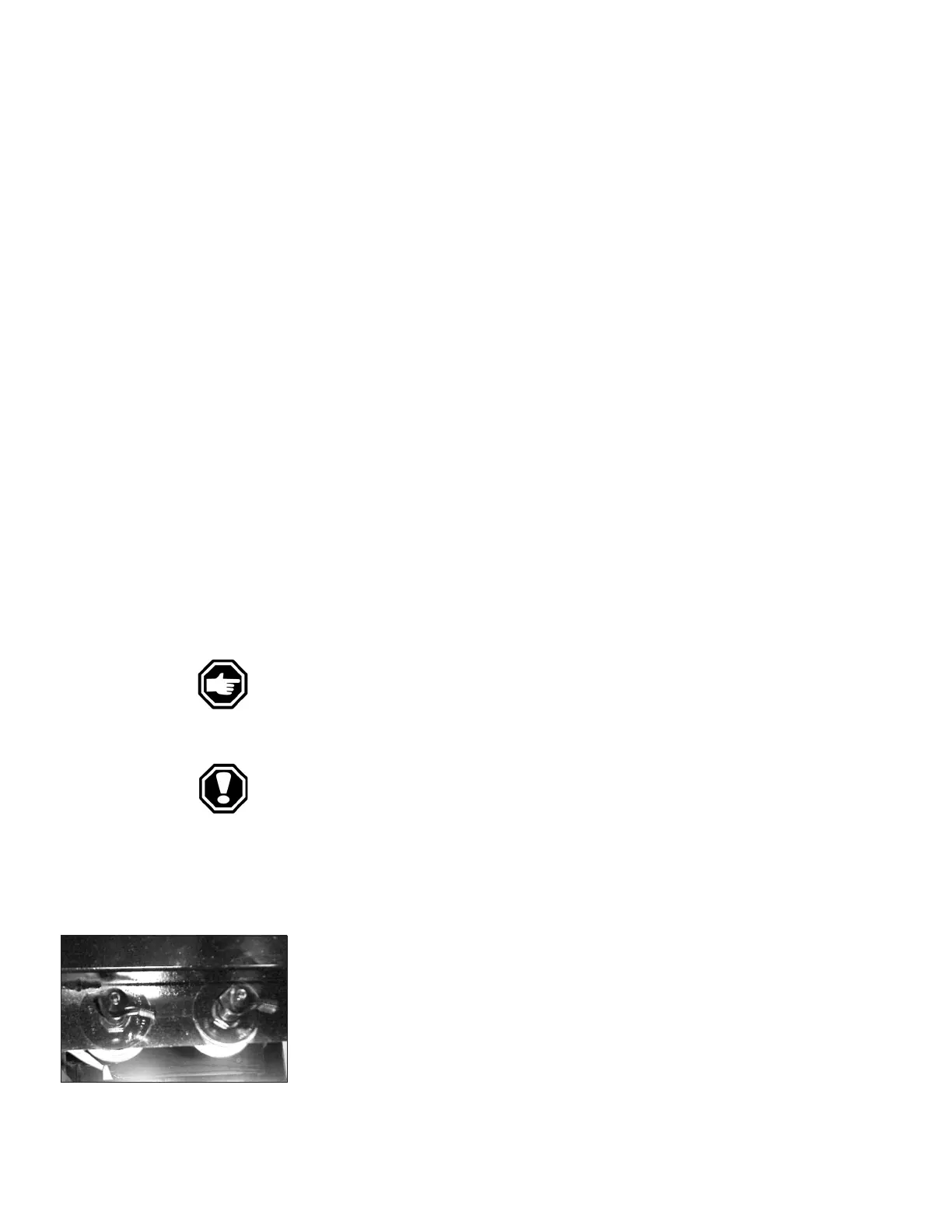
The main battery disconnects are located in the rear passenger side
battery compartment. In the compartment are a pair of battery discon-
nects: one for the chassis batteries and the other for the house batteries.
Turn off the batteries anytime the motorhome is going to be stored and
not in use. If possible, leave the motorhome plugged into an AC source
with the battery disconnects on. This will help prevent the batteries from
going dead. Use of the battery cut-off switch at the entry door will not
turn off all DC electrical items. There are small (parasitic) loads that are
present on both the house and chassis batteries. Some are federal
5•149
EXECUTIVE
Testing Equipment
Main Battery Disconnects
Know the Limits


 To Next Page
 Loading...