

EasyManua.ls Logo

Neuros NX Series - User Manual

Neuros NX Series
6 pages
Print Icon
To Next Page IconTo Next Page
Loading...
Installation Guide for Turbo Blower
NX/NC Turbo blower series
Ver.1.0
This manual provides safe and reliable instructions for the installation of Neuros turbo blower.
Carefully read this manual before attempting installation. If you are uncertain about any of
the instructions or procedure provided in the manual, contact Neuros or Distributor.
Question and Answer IconNeed help?

Do you have a question about the Neuros NX Series and is the answer not in the manual?

Summary

Location Selection

Foundation Requirements

Install the blower on a firm, level foundation, preferably concrete, with at least 100mm thickness.

Blower Leveling and Support

Ensure the blower is level, with supports fully contacting the foundation (within 0.5° angle).

Vibration Isolating Pads

Vibration isolating pads are not required due to the blower's low vibration output.

Lifting and Transportation

Equipment Selection for Lifting

Select a forklift or hoist based on location and blower weight, using appropriate sling belts/ropes.

Forklift Lifting Procedure

Insert forklift forks through the enclosure as shown to prevent dropping; use protection pads.

Hoist;Crane Lifting Method

Installation method for hoists/cranes varies based on the blower enclosure type.

Eye Bolt Lifting

Lift and transport the blower using ropes hooked over the four top eye-bolts, minding angles.

Non-Eye Bolt Lifting

Lift using ropes/slings, maintaining horizontal stability, with specific angle and rope length limits.

Overview

This document provides an installation guide for the Neuros NX/NC Turbo Blower series, focusing on safe and reliable setup and transportation procedures.

Function Description:

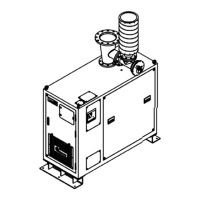
The Neuros turbo blower is a piece of industrial equipment designed for various applications requiring air or gas movement. While the specific function isn't detailed in this excerpt, the context of "blower" suggests its role in moving air or gas, likely for processes such as aeration, pneumatic conveying, or other industrial air supply needs. The guide emphasizes correct installation to ensure optimal performance and longevity of the unit.
Important Technical Specifications:

  • Foundation Requirements: The blower must be installed on a firm and level foundation, such as a concrete floor. The recommended foundation thickness is more than 100mm. This ensures stability and minimizes vibration.
  • Horizontal Angle: The horizontal angle of the installed blower must be within 0.5° in all directions to ensure proper operation and prevent undue stress on components.
  • Vibration Level: The blower is designed with a very low vibration level, eliminating the need for vibration isolating pads during installation. This indicates advanced engineering to minimize operational noise and wear.
  • Maintenance Clearance: For maintenance purposes, a minimum distance of 1500mm is required between each blower and between the blower and the wall of the blower room. This ensures adequate space for technicians to access the unit for inspection, repair, or routine servicing.
  • Lifting and Transportation: The guide details specific requirements for lifting the blower, including the use of appropriate sling belts or ropes based on the gross weight. When using eye-bolts for lifting, there are four eye-bolts located on the corners of the top section. The angle (β) between the rope and an eye-bolt should not exceed 45 degrees (meaning the angle α, which is 2β, should not exceed 90 degrees). All eye-bolts must be used simultaneously when lifting to distribute the load evenly and prevent deformation or failure. The load capacity of an eye-bolt decreases significantly (by half) when lifted at a 45-degree angle compared to a vertical lift. When using ropes or sling belts without eye-bolts, the angle (α) of the sling should not exceed 90 degrees. The length of the "h" (distance from the top of the enclosure to the hook of the crane/hoist) should be between 0.5H and H, where H is the height of the enclosure.

Usage Features:

  • Foundation Contact: The enclosure supports of the blower must be in complete contact with the foundation, ensuring a stable and secure installation.
  • Forklift Usage: If a forklift is used for transportation, the forks must pass through the blower enclosure as illustrated in Fig. 2 to prevent the blower from falling. Protection pads are recommended between the forklift and the enclosure to prevent damage.
  • Hoist/Crane Usage: When using a hoist or crane, the installation method may vary depending on the enclosure type. Specific instructions are provided for both "Eye-Bolt Type" and "No Eye-Bolt Type" enclosures.
  • Sling Belt/Rope Placement: For enclosures without eye-bolts, ropes or sling belts should be located just next to the anchor/leveling foot (inside the foot) at both ends. Protection pads are essential between the enclosure and the ropes/sling belt to prevent damage. If the ropes are not fixed or tend to slip, an additional rope can be used to secure them.
  • Horizontal Stability During Transport: During lifting and transportation, it is crucial to keep the blower horizontal and steady. Operators must exercise caution to avoid quick breaks or sudden operations that could cause the blower to fall.

Maintenance Features:

  • Accessibility: The recommended 1500mm clearance around the blower and from walls is a key maintenance feature, ensuring that technicians have ample space to perform routine checks, troubleshooting, and repairs without obstruction. This foresight in installation planning directly contributes to efficient and safe maintenance operations.
  • Robust Design: The very low vibration level of the blower suggests a robust and well-balanced design, which typically translates to reduced wear and tear on components, potentially leading to fewer maintenance interventions and longer operational life.
  • Clear Lifting Instructions: Detailed instructions for lifting with eye-bolts or sling belts facilitate safe and damage-free relocation or maintenance requiring the unit to be lifted. This minimizes the risk of structural damage during handling, which can be a significant maintenance concern for heavy equipment.

Neuros NX Series Specifications

General IconGeneral
BrandNeuros
ModelNX Series
CategoryBlower
LanguageEnglish