LOW FLOW. There may be a blockage in the tubing (check for water in the tubing if you have a
humidifier) or you may have fallen asleep and your head dropped forwards and you are
obstructing the airflow.
In this case, check that nothing is blocking the tube. Try tilting your head position back to allow
the air to flow freely or if your mouth is open and you wear a nasal (nose) mask, make sure you
are wearing your chin strap.
HIGH PRESSURE. May be due to coughing.
LOW PRESSURE. There may be leak around the mask, the tubing may be disconnected or
there may be a crack in the tubing.
DISCONNECTION. There may be a leak around the mask, the tubing may be disconnected or
there may be a crack in the tubing. If you remove the mask and do not turn off the flow within 15
seconds this alarm will sound.
REBREATHING. There may be a blockage in the tubing (check for water in the tubing if you
have a humidifier).
Make sure you are using a mask that has the exhalation ports in it and that these have not
become blocked.
LOST MAINS FAILURE. Occurs when the ventilator switched from mains to either the internal
or click in battery due to mains power being lost.
If you have checked for the above and you are worried that the alarm is still sounding, please
contact the Chest Unit with your query.
Who can I contact with queries and concerns?
Before you go home, someone from the NIV team or Chest Unit will show you how to fit your
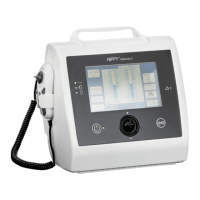
mask and how to use your Nippy device.
If you have any problems with your machine at home, please contact the Respiratory
Physiologists.
Chest Unit King’s College Hospital
Tel: 020 3299 4743, option 3
Email: kch-tr.CPAPkings@nhs.net
Chest Unit Princess Royal University Hospital (PRUH).
Tel: 01689 863104


 To Next Page
 Loading...