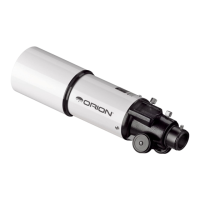
The Orion E-Series Safety Film Solar Filters are designed to provide a safe and effective way to observe and photograph the Sun using various optical instruments. These filters offer a low-cost alternative to traditional aluminum cell and glass filters, making solar viewing accessible to a wider range of users. They are compatible with telescopes, binoculars, monoculars, cameras, and finder scopes, ensuring versatility across different setups.
Function Description:
The primary function of the E-Series Safety Film Solar Filters is to reduce the intensity of sunlight to a safe level for direct observation. They utilize a black/silver polymer material with an ND5 density, which transmits less than 0.001% of sunlight. This significant reduction in light intensity protects the eyes from the Sun's harmful, intense radiation, preventing immediate and permanent eye damage, including blindness. Unlike some other solar filters, the E-Series filters are designed to produce a pleasing natural yellow-orange image of the Sun, enhancing the viewing experience. The actual filtering properties are embedded within the polymer itself, ensuring durability and consistent performance. The filters are crucial for safe solar viewing, as looking directly at the Sun through any optical instrument without a properly inspected and installed solar filter can lead to severe eye injury.
Usage Features:
The E-Series Safety Film Solar Filters are designed for ease of use and safety.
- Sizing and Installation: The solar filter cell is designed to fit over the front of the telescope, finder scope, or binoculars. To ensure a secure fit, users should measure the outside diameter (O.D.) of the instrument's tube where the filter will be installed. The chosen filter size should have an inside diameter (I.D.) slightly larger than the tube's O.D. This allows for the inclusion of adhesive felt strips, which are provided with the filter. These strips can be cut and applied to the inside of the filter cell to achieve a snug fit, preventing the filter from accidentally slipping off during use. A snug fit is critical for safety, as a dislodged filter could expose the eyes to unfiltered sunlight.
- Pre-Use Inspection: Before each use, it is imperative to check the filter's optical surfaces for any possible damage, such as pinholes or scratches. A damaged filter should never be used, as it compromises eye safety. If any defect is suspected, users are instructed to contact customer support for return instructions.
- Viewing Experience: When observing the Sun through the filtered instrument, the view should be comfortable and not excessively bright. If the view appears too bright, users should immediately stop looking.
- Finder Scope Management: It is recommended to keep the front of any finder scope covered if it is not equipped with its own solar filter. Alternatively, removing the finder scope altogether when observing the Sun is a safer practice. Uncovered finder scopes can be dangerous, as unfiltered sunlight passing through them can melt internal parts even if not directly viewed.
- Aiming the Telescope: To aim a telescope with a solar filter installed at the Sun without using a finder scope, users can employ the shadow-casting method. By pointing the telescope in the general direction of the Sun and observing the shadow cast by the telescope tube on the ground, users can gradually adjust the tube's position until the shadow is the smallest it can get. At this point, the Sun should be visible in the eyepiece field of view.
- Temperature Equalization: For optimal image quality, it is advisable to allow the telescope and filter to equalize to the outside temperature for at least 15 minutes before observation.
- Heat Management: Direct sunlight can warm the telescope tube assembly, potentially causing internal heat currents that degrade image quality, especially with dark-colored telescopes. Covering the tube assembly with a light-colored cloth can help mitigate this issue.
- Viewing Environment: To avoid surface heat currents that can also degrade image quality, it is preferable not to view over pavement or buildings. Viewing over grass is recommended.
- Filter Removal Safety: Before removing the solar filter, always point the telescope away from the Sun. Removing the filter while the telescope is aimed at the Sun is extremely dangerous if anyone is looking into the eyepiece and can also damage the telescope if left pointed at the Sun unfiltered for too long.
- Solar Eclipse Observation: When observing solar eclipses, the filter(s) must cover the front of the instrument during all partial phases. The filter can only be safely removed during the brief "totality" portion of a total solar eclipse when the Moon completely covers the Sun's disk. Users must be ready to re-install the filter the moment the first glimmer of the Sun's disk reappears, signaling the end of totality. For binoculars, one filter is required for each of the two front lenses.
- Solar Photography: The E-Series Safety Film Solar Filters are suitable for both visual observing and photography. By attaching a camera body to a telescope, effectively using the telescope as a telephoto lens, users can capture striking photographs of the Sun. This should only be attempted if the telescope is properly equipped with the solar filter.
- Adult Supervision: Young children and inexperienced adults should only use the telescope or solar filter under adult supervision to ensure safety.
Maintenance Features:
The E-Series Safety Film Solar Filters require minimal maintenance, primarily focusing on ensuring the integrity of the filtering material.
- Regular Inspection: The most critical maintenance aspect is the regular inspection of the filter's optical surfaces for any signs of damage, such as pinholes or scratches. This should be done before every use. Any defect compromises the safety of the filter and necessitates its replacement or repair.
- Handling Precautions: The filters should be handled with care to prevent physical damage to the film. While the filtering properties are protected within the polymer, external damage can still affect its performance and safety.
- Storage: When not in use, the filters should be stored in a manner that protects them from dust, dirt, and physical impact. Keeping them in a clean, dry place will help preserve their condition.
- Cleaning: The manual does not explicitly detail cleaning instructions for the filter film. However, general best practices for optical instruments suggest using a soft, lint-free cloth and avoiding harsh chemicals that could damage the polymer film. If cleaning is necessary, it should be done gently to prevent scratching the surface.
- Warranty and Support: The filters are covered by a limited liability warranty against defects in material and workmanship. If a defect is suspected, users are advised to contact customer support for return instructions, rather than attempting repairs themselves. This ensures that any issues are addressed by professionals and that the filter's safety integrity is maintained.
By adhering to these usage and maintenance guidelines, users can safely enjoy observing the Sun with their Orion E-Series Safety Film Solar Filters.

 Need help?
 General


 To Next Page