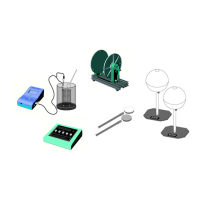
Basic Electrostatics System Model No. ES-9080
32
!
1. %@)(*2()-$%h`q%/>%-9$%=/(-)E$%/>%-9$%#/24*$7%%c/*)-$%-9$%'/#6-6/,%6,%-9$%
E4)'9%:9$4$%-9$%=/(-)E$%9)#%4$)*9$0%-96#%=)(2$7%\/:%(/,E%)%-6+$%9)#%
')##$0%-/%4$)*9%h`q%/>%-9$%=/(-)E$%/>%-9$%#/24*$m%M96#%-6+$%6#%RC7%
S"#6,E%-9$%8+)4-%M//(%6,%B)-)%8-206/%/4%-9$%8+)4-%@24#/4%M//(%6,%
ScienceWorkshop
£
%+)Z$#%-9$#$%+$)#24$+$,-#%$)#CrU
2. @/+')4$%-9$%+$)#24$0%-6+$%*/,#-),-%>4/+%-9$%E4)'9%:6-9%-9$%
*)(*2()-$0%>4/+%-9$%Z,/:,%=)(2$#%/>%%),0%R7%1/:D%:9$,%)%>2((C%
*9)4E$0%*)')*6-/4%6#%06#*9)4E$0%-94/2E9%)%4$#6#-/4D%-9$%=/(-)E$%
)*4/##%S),0%-9$%*9)4E$%/,U%-9$%*)')*6-/4%0$*4$)#$#%:6-9%-6+$%
)**/406,E%-/%-9$%$F2)-6/,% 7%;>-$4%)%-6+$%t = RC%S/,$%
-6+$%*/,#-),-UD%-9$%=/(-)E$%)*4/##%-9$%*)')*6-/4%0$*4$)#$#%-/%`Kq%6-#%
+)56+2+%=)(2$7
3. B$-$4+6,$%9/:%+2*9%6#%`Kq%/>%-9$%-/-)(%=/(-)E$%),0%(/*)-$%:9$4$%
6,%-9$%06#*9)4E6,E%'(/-%-96#%=)(2$%9)#%3$$,%4$)*9$07%\/:%(/,E%)%
-6+$%#6,*$%-9$%#-)4-%/>%06#*9)4E6,E%060%6-%-)Z$%-/%4$)*9%-96#%=)(2$m%
S"#$%-9$%#+)4-%*24#/4%-//(#rU
4. @/+')4$%-96#%+$)#24$0%RC%*/,#-),-%:6-9%-9$%Z,/:,%=)(2$7
Procedure 4B: Charging/Discharging Capacitors with Signal
Generator
b9$,%)%'/#6-6=$%#F2)4$%:)=$%#6E,)(%6#%)''(6$0%-/%)%*)')*6-/4%6,%),%&@%
*64*26-D%-9$%*)')*6-/4%'$46/06*)((C%*9)4E$#%),0%06#*9)4E$#D%)#%#9/:,%6,%
X6E24$%a7e7%M9$%'$46/0%/>%)%>2((%*9)4E$H06#*9)4E$%$F2)(#%-9$%'$46/0%/>%
-9$%:)=$7
Note: The procedure listed here specifies values for R, C and the frequency of
the signal that work well together. If you decide to use any other R or C
value, you have to adjust the frequency of the wave. Notice that the voltage
has to remain constant for enough time to fully charge the capacitor before
the voltage goes to zero and the capacitor is discharged. A good estimate of
the time needed to fully charge a capacitor can be determined as t = RC[lnV
o
VV
0
e
lRC
e
=
&
'
&
Figure 4.2: Charging and Discharging with a Square Wave Signal


 To Next Page