The Chroma Twist & Cook Pressure Cooker by Pyramis is a versatile kitchen appliance designed for efficient and safe cooking under pressure. This manual provides comprehensive instructions for its use, maintenance, and troubleshooting, along with a selection of recipes.
Function Description:
The Chroma Twist & Cook Pressure Cooker is designed to cook food faster than conventional methods by utilizing steam pressure. This allows for significant time and energy savings, up to 70% in cooking time and up to 50% in energy consumption. The cooker is suitable for all types of hobs, including induction, gas, electric, ceramic, and halogen, making it adaptable to various kitchen setups. It features a robust construction from 304 quality 18/10 CrNi stainless steel, ensuring durability and food safety. The pressure cooker operates with a secure lid locking mechanism and multiple safety systems to prevent accidents.
Important Technical Specifications:
The pressure cooker is available in two capacities: 6 liters and 8 liters.
Both models share the following specifications:
- Brand: PYRAMIS CHROMA
- Product Type: Pressure Cooker
- Diameter: 220mm
- I Level Pressure: 0.65 Bar (suitable for green leafy vegetables, etc.)
- II Level Pressure: 0.85 Bar (suitable for hard vegetables, chicken, meat, and potatoes)
- Temperature: 120°C
- Maximum Working Pressure Level: 1.1 Bar
Main Cooking Parts:
- Cookware body: Made from 304 quality 18/10 CrNi stainless steel.
- Pressure safety lock: Prevents the lid from opening while under pressure.
- Cooking valve / steam release: Ventilates steam. If excessive steam is released, it indicates excess heat, and the cooker's heat should be reduced.
- Pressure adjustment valve: Allows selection of cooking levels (1 or 2). Steam is ventilated at level 0 (no pressure).
- Pressure Cooker Opening and Closing Lever: Operates the clamps for opening (clockwise) and locking (counterclockwise) the lid.
- Pressure cooker lid.
- Lid clamps.
- Side handles.
- Safety valve: Ventilates excess pressure if the pressure adjustment valve malfunctions.
- Silicone Ring: Acts as a safety mechanism to ventilate excess pressure if both the pressure adjustment valve and safety valve fail.
- Cleaning nut for pressure adjustment valve: Can be cleaned by holding it under running water.
- Liter indications: Markings inside the pot to indicate volume.
Usage Features:
- Safety First: Always follow the instructions carefully to prevent scalding. Never leave the pressure cooker unattended, especially near children.
- Filling Capacity: Do not fill the pressure cooker more than 2/3 of its capacity. For foods that expand (e.g., rice, lentils), fill no more than half. The pot must contain at least 1/3 of its capacity in water or 200ml.
- Hob Compatibility: Ensure the cooker's base diameter matches or is smaller than the hob's heating plate. For gas hobs, the flame should not exceed the pot's bottom. Keep ceramic, glass, or induction hobs clean and dry.
- Lid Operation: Ensure the pot rim, lid, silicone ring, and valves are clean before closing. Turn the open/close mechanism clockwise to open clamps, place the lid, push gently, then turn counterclockwise to lock.
- Pressure Setting: Set the pressure adjustment valve to level 1 or 2 based on the food being cooked.
- Cooking Process: Once steam continuously releases from the pressure adjustment valve, the desired pressure level is reached. Reduce heat and start timing.
- Depressurization: After cooking, turn off the heat and wait 5-8 minutes. For thermic-bottom cookers, cooking may continue even after heat is off. Do not set the pressure adjustment valve to level 0 until boiling has finished to avoid food spouting. After 5-8 minutes, set the valve to level 0 to release steam.
- Opening the Lid: The pressure safety lock prevents opening until all steam is released. Do not force the lid open. To speed up depressurization, place the pot under cold running water or in a larger pot/bowl of cold water. Shake the pot a few times before opening.
- Specific Food Handling: Do not pierce meat with skin (e.g., liver, sausage) after cooking under pressure, as it may cause burns. Make small holes with a sharp knife before cooking. Gently shake the cooker before opening when cooking foods like pastry or lentils to prevent spouting.
- Prohibited Uses: Do not deep fry with the lid closed. Do not use the pressure cooker in the oven.
Maintenance Features:
- Initial Cleaning: Before first use, wash all parts (pot and lid) with warm water and a mild detergent.
- Silicone Ring Care: Do not boil the silicone ring or wash it in a dishwasher. Clean it with lukewarm water and rinse carefully. Replace worn or damaged silicone rings with a new one recommended by Pyramis.
- General Cleaning: The pot can be washed in a dishwasher. The lid should be hand-washed with suitable detergents. Remove the silicone ring for cleaning.
- Avoid Abrasives: Do not scrub the pot, lid, or silicone ring with hard or metal materials. Use soft sponges or brushes. For intensive food particles or grease, use the harder part of a sponge.
- Stain Removal: White stains from hard water or colored stains from food (e.g., sulfur) can be removed using vinegar or lemon juice. For stubborn stains, boil a small spoon of baking soda or a glass of vinegar in the pot.
- Preventing Residue: Do not leave food residue to dry inside the pot, as it can cause stains and surface deformations. Keep the pot clean.
- Detergents: Use mild household cleaning detergents according to their instructions. Avoid industrial cleaning utensils.
- Silicone Ring Storage: Store the silicone ring in a dry place, away from direct sunlight. After cleaning, place it on the pressure lid and turn the lid upside down on the body to prevent deformation.
- Valve Maintenance: After every 2-3 cooking sessions, clean the pressure adjustment valve and security valves according to the instructions to ensure proper function.
- Troubleshooting: The manual includes a comprehensive troubleshooting guide for common issues like steam leakage, excessive steam, lid not closing/opening, food burning, and stains, providing causes and solutions for each problem.
Warranty:
The Pyramis pressure cooker comes with a 2-year guarantee covering manufacturing defects for the original purchaser for domestic use. The warranty requires proof of purchase (receipt or invoice) with a clear date and dealer name. Repairs must be performed by specialized personnel using genuine spare parts. The warranty does not cover damages from transportation, improper use, maintenance, cleaning, negligence, or failure to follow instructions.

 Need help?
 General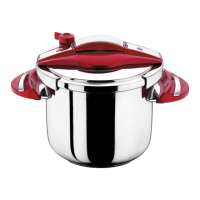

 To Next Page