Chapter 3: Maintenance 43
Chapter 3:Maintenance
Cleaning Instructions
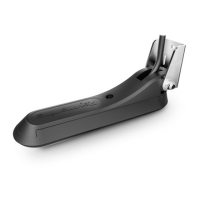
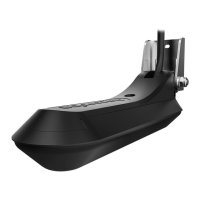
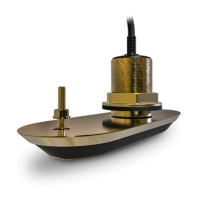
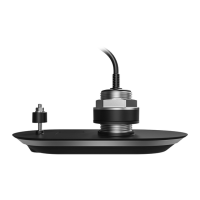
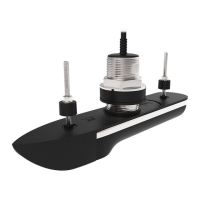
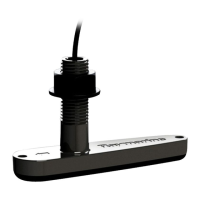
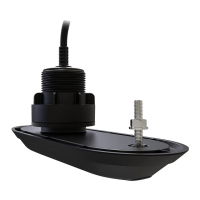
Cleaning the Transducer
Sea growth can collect quickly on the bottom of the transducer, this
can reduce the performance in just a few weeks. To preventthe build-
up of sea growth, coat the transducer with a thin layer of paint. Use
only a water-based antifouling paint, or a water-based paint
specifically designed for transducers. Applythe paint with a brush.
If your transducer becomes fouled or stops workingbecause of sand
or sea growth, use a stiffbrush to clean it. You may sand the surface
witha fine-grit wet or drysandpaper (#320 grade or finer), but this
will affect the performance of the unit when the boat is moving at
higher speeds.
The paddle wheel mechanism may become jammed by dirt, grit or
barnacles. Work this out of the mechanism, then clean the unit with
soap and water or alcohol.
Cleaning the Hull
Usecautionwhen sandingor cleaning theoutside of the hull near the
transducer.
CAUTION:
Harsh cleaning solventssuchas acetonemay damage the
transducer.
Servicing and Safety
• Raymarine equipment should be serviced only by authorized
Raymarine service technicians. They will ensure that service pro-
cedures and replacement parts used will not affect performance.
There are no user serviceable parts in any Raymarine product.
• Some products generate high voltages, so never handle the
cables/connectors when power is being supplied to the equip-
ment.
• When powered, all electrical equipment produces electromag-
netic fields. These can cause adjacent pieces of electrical equip-
ment to interact with one another, with a consequent adverse
effect on operation.



 To Next Page
 Loading...