How Dogs Learn: In simple terms, dogs learn by performing behaviors that result in
something pleasant and by avoiding behaviors that result in something unpleasant.
The more often a dog performs a behavior that results in something pleasant to him,
the more likely he will repeat that behavior. Conversely, behaviors that result in an
unpleasant experience are more likely to be avoided with each encounter. Visit our
website, starmarkacademy.com for more information on how dogs learn.
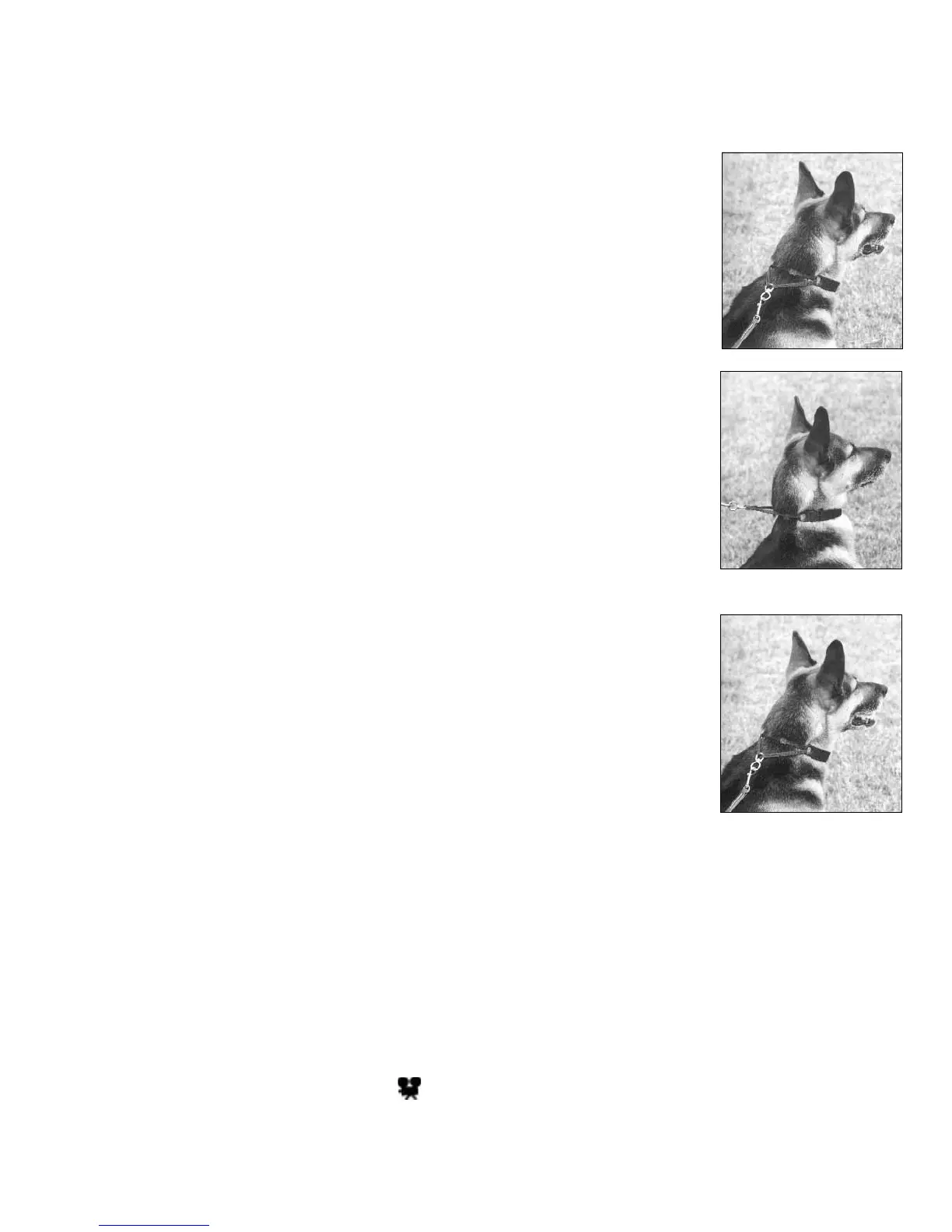
How To Give A Pop: A Pop is a quick and firm snap of the leash that is designed to get
your dog’s attention. Pop the leash with your wrist, not your arm. A Pop redirects the
behavior your dog is engaged in when administered. How firmly should you Pop? This
varies with each dog. If you find that you are giving your dog a series of corrections
before he responds, then you may need to make your Pop firmer for that particular
exercise. If your dog shows a negative reaction to a Pop or is overly sensitive to the Pop,
then you may need to soften it. Remember: your dog must understand what is expected
of him before you correct him for a behavior. The ideal Pop gets your dog to respond
after just one, without causing any negative reaction from your dog. The Pop should be
given in the direction in which you wish your dog to move, and will be explained step-by-
step in the obedience section of this guide. Pops should be given without emotion, but
the praise and reward that your dog receives for an appropriate behavior should always
be genuine.
Guidelines for Correction: Occasionally your dog may choose not to obey you. This is
normal and correctable. But some dogs learn that there is no negative consequence to
disobeying a command. When those dogs are distracted by something that interests
them more than performing a command (such as watching a squirrel climbing a tree)
they simply don’t listen.
Once your dog has learned a command it is sometimes appropriate to reinforce that
command with a Pop. You will not need to correct your dog each time you give
a command, but understanding how your dog responds to commands in different
environments will allow you to provide him with proper guidance whenever he is with
you.
The following guidelines assume that: your dog understands the command he is being
corrected for; he does not have a severe behavior problem, such as fear or dominance
related aggression; and the level of the correction is appropriate for your dog’s age,
temperament, and for the situation he is in at the time of the correction.
• Correct your dog within the 1.5-second window of opportunity discussed in the Timing section
• Correct your dog whenever he chooses to not obey a command you give him—even the first time you give it.
If you ask your dog to sit, and he does not immediately sit, follow your command with a Pop using the 1.5
second rule
• Correct your dog anytime you believe that he will not immediately perform the command due to distractions
or failing to pay attention. This means you might have to Pop immediately following each command. If
you ask your dog to sit as he watches the squirrel in the tree, you may have to repeat the sit command
followed by a Pop, until he learns that he must sit despite his interest in the squirrel
• Correct your dog for disobedience (trying to chase the squirrel instead of sitting when asked)–but not
5
1. Note the loose leash
2. Quickly pop and release,
using your wrist
3. Immediately loosen
the leash after the pop
Streaming-video of training available on starmarkacademy.com


 To Next Page
 Loading...