3-12
SET-UP AND SAFE OPERATING PROCEDURES
0056-0114
component of natural gas, a mixture containing about 75% methane (CH4), 15% ethane (C2H6), and
5% other hydrocarbons, such as propane (C3H8) and butane (C4H10).
Propane (C3H8) is a non-renewable fossil fuel, like the natural gas and oil it is produced from. It is
known in popular terms as LPG (Liquefied Petroleum Gas). Similar to natural gas (methane), propane
is colorless and odorless. Although propane is nontoxic and odorless, foul-smelling mercaptan is
added to it to make gas leaks easy to detect.
Liquid Petroleum (LP) gases were discovered in 1912 when an American scientist, Dr. Walter Snelling,
discovered that these gases could be changed into liquids and stored under moderate pressure. The
LP-gas industry got its start shortly before World War I when a problem in the natural gas distribution
process popped up. A section of the pipeline in one natural gas field ran under a cold stream, and the
coldness led to a lot of liquids building up in the pipeline, sometimes to the point of blocking the entire
pipeline. Soon, engineers figured out a solution: facilities were built to cool and compress natural gas,
and to separate the gases that could be turned into liquids (including propane and butane).
Both natural gas and propane are used as industrial fuel gases for flame cutting, scarfing, heating,
flame hardening, stress relieving, brazing, and soldering.
Natural Gas and Propane Cylinders
Natural gas is transported by pipeline to most installations that use natural gas as a fuel gas. Natural
gas / Methane is authorized for shipment in a non-liquefied compressed gas cylinder under DOT
regulations.
Propane is available in on-site bulk storage tanks. It is also obtainable in 5 - 420 lb. cylinders.
Specifications
SAFETY
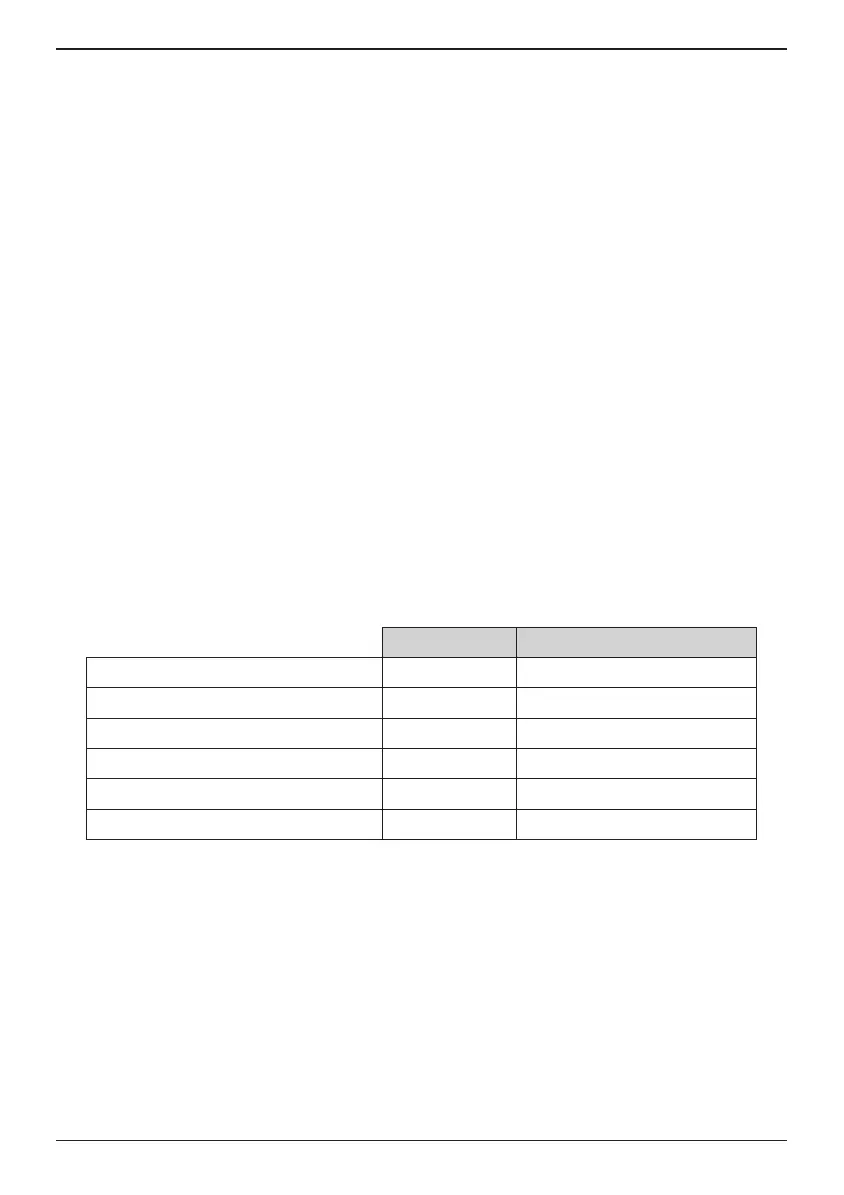
Natural Gas Propane
Shock sensitivity Stable Stable
Explosive limits in oxygen (%) 5.0-59 2.4-57
Explosive limits in air (%) 5.0-15 2.1-9.5
Maximum allowable use pressure Varies Cylinder (120 PSIG @ 70°F)
Tendency to backfire Slight Slight
Toxicity Low Low
Industrial Gases


 To Next Page
 Loading...