SET-UP AND SAFE OPERATING PROCEDURES
6-41
0056-0114
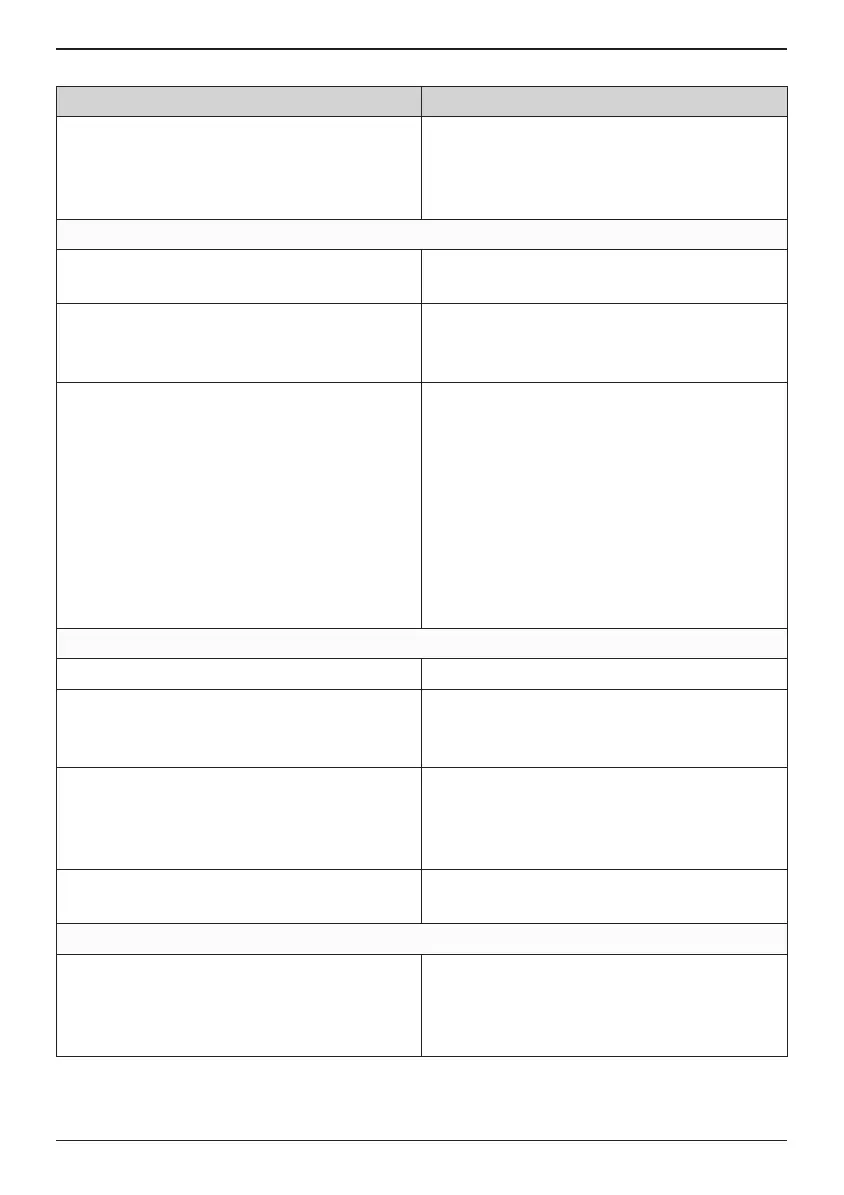
TIPS TO IMPROVE WELD QUALITY
Problem Features Corrective Action
3. Poor welding technique: Improper welding
rod deposition with non-uniform heating.
3. Do not hold a welding rod too low near the
lower edge of the plate in the vertical plane
when making a horizontal fillet weld, an
under cut on the vertical plate will result.
Cracked Welds
1. Joint too rigid. 1. Distribute heat input more evenly over full-
length of the seam.
2. Welds too small for size of parts joined. 2. Weld rapidly with a minimum input to
prevent excessive local heating of the
plates adjacent to the weld.
3. Improper welding procedure. 3. Do not have excessive space between
the parts to be welded. Prepare thin plate
edges with flanged joints, making off-set
approximately equal to the thickness of the
plates. No filler rod is necessary for this
type of joint. Make a U-shaped corrugation
in the plates parallel to and approximately
1/2” away from the seam. This will serve
as an expansion joint to take up movement
during and after the welding operation
Incomplete Penetration
1. Improper preparation of joint. 1. Use welding rod of proper chemical analysis.
2. Use of too large a welding rod. 2. Avoid overheating of molten puddle of weld
metal. Use the proper flame adjustment and
flux (if necessary) to ensure sound welds.
3. Welding tip is too small - insufficient heat
output.
3. Avoid carrying too large a molten puddle of
weld metal. Puddling keeps the weld metal
molten longer and often ensures sounder
welds.
4. Too fast a welding speed. 4. Modify the normal welding procedure to
weld poor base metals of a given type.
Porous Welds
1. Inherent properties of the particular type of
welding rod.
1. Be sure to allow the proper gap at the bottom
of the weld. Deposit a layer of weld metal on
the back side of the joint where accessible, to
ensure complete fusion in lower “V”.
Welding Procedures


 To Next Page
 Loading...