Introduction
About this document
This document is written for clinical professionals with a working knowledge of medical
procedures and terminology required for monitoring cardiac patients.
Before using the electrocardiograph for clinical applications — or before setting up,
configuring, troubleshooting, or servicing the electrocardiograph — you must read and
understand this document and all other information that accompanies the
electrocardiograph and related options or accessories.
Intended use
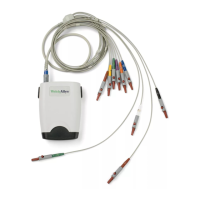
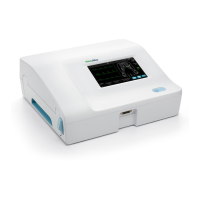
The Welch Allyn CP150 ™ is an electrocardiograph used to process the electrical signal
transmitted through two or more electrocardiograph electrodes and to produce a visual
display of the electrical signal produced by the heart.
The CP150 ™ Electrocardiograph is specifically intended for acquiring and printing ECG
signals from adults and pediatric patients. It will be used in clinical settings by trained
healthcare providers. The optional interpretation algorithm analyzes these ECG signals to
generate measurements and interpretive statements. The interpretive results are
intended only as guidance for qualified physicians and must not be relied upon as
diagnoses.
Indications for use
The electrocardiograph is one of the tools that clinicians use to evaluate, diagnose, and
measure patient cardiac function.
The 12-lead optional interpretation algorithm provides a computer-generated analysis of
potential patient cardiac abnormalities, which must be confirmed by a physician with
other relevant clinical information.
Contraindications
The electrocardiograph has no known contraindications.
Description
• The electrocardiograph is not suitable for direct cardiac application.
• The electrocardiograph allows users to perform 12-lead ECG measurements and
analysis.
1


 To Next Page
 Loading...