P82968 H
Sheet 2 of 5
INDUSTRY CANADA (IC) REGULATIONS: (Only applicable for use in Canada)
• The Industry Canada (IC) label identifies certified equipment. This certification means that the equipment meets certain
telecommunications network protective, operational, and safetey requirements as prescribed in the appropriate Terminal
Equipment Technical requirements documents(s). The Department does not guarantee the equipment will operate to the user's
satisfaction.
• Before installing this equipment, users should ensure that it is permissible to be connected to the facilities or the local
telecommunications company. The equipment must also be installed using an acceptable method of connection. The customer
should be aware that compliance with the above conditions may not prevent degradation of service in some situations.
• Repairs to certified equipment should be coordinated by a representative designated by the supplier. Any repairs of alterations
made by the user to this equipment, or equipment malfunctions, may give the telecommunications company cause to request the
user to disconnect the equipment.
• Users should ensure, for their own protection, that the electrical ground connections of the power utility, telephone lines, and
internal metallic water pipe system, if present, are connected together. This precaution may be particularly important in rural
areas.
CAUTION: Users should not attempt to make such connections themselves, but should contact the appropriate electric inspection
authority, or electrician, as appropriate.
RINGER EQUIVALENCE NUMBER:
The Ringer Equivalence Number (REN) assigned to each terminal device provides and indication of the maximum number of
terminals allowed to be connected to a telephone interface. The termination of an interface may consist of any combination of devices
subject only to the requirement that the sum of the Ringer Equivalence Numbers of all the devices does not exceed 5.
SPECIFICATIONS:
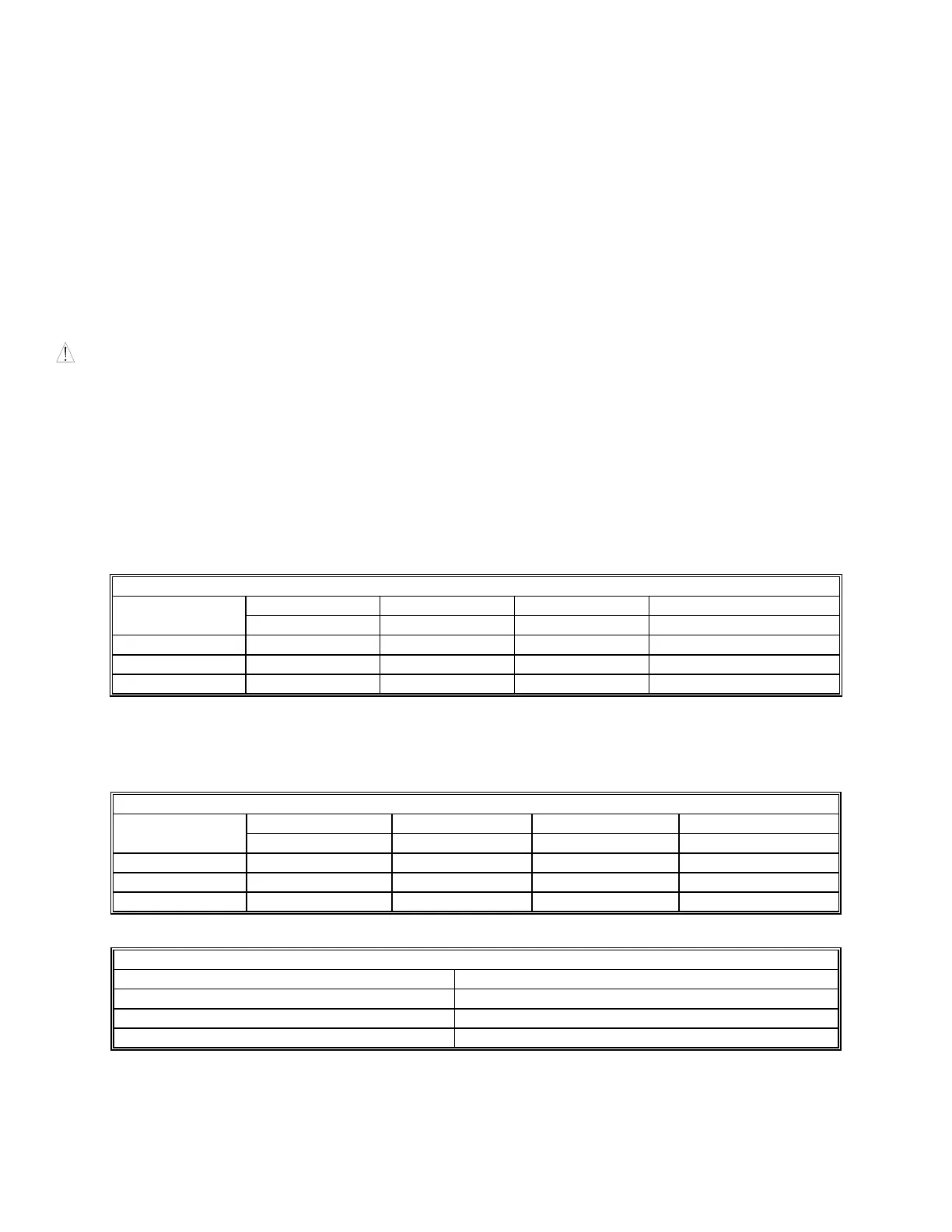
Table 1: Sound Output (dBA) and Current (REN) at Maximum Volume
24VDC 24VAC 48VDC 90Vrms/20Hz
Horn 108dB/30mA 105dB/46mA 107dB/26mA 104dB/No More 1.6 REN
Bell 100dB/9mA 102dB/35mA 100dB/10mA 100dB/ No More 1.4 REN
Vibrating Chime 96dB/6mA 99dB/29mA 94dB/7mA 97dB/ No More 1.25 REN
Single Chime 96dB/6mA 100dB/34mA 94dB/6mA 96dB/ No More 1.25 REN
NOTES: 1. Input Voltage Range: 24VDC = 18-30VDC, 24VAC = 18-30VAC, 48VDC = 36-60VDC,
90VRMS =40-130VRMS, 20-30Hz
2. dBA is measured on-axis in a non-reflective (free field) test room using fast meter response.
Table 2: Sound Output Volume Adjusting Range
24VDC 24VAC 48VDC 90Vrms/20Hz
Horn 108-73dB 105-76dB 107-79dB 104-83dB
Bell 100-61dB 102-64dB 100-67dB 100-73dB
Vibrating Chime 97-57dB 100-61dB 94-64dB 97-68dB
Single Chime 96-57dB 97-61dB 94-64dB 96-68dB
Table 3: Tone Description
Horn Broadband Horn
Bell 1560Hz Modulated (0.07 Sec. ON/Repeat
Vibrating Chime 700Hz (1.0 Sec. Decay/Repeat)
Single Chime 700Hz (1.0 Sec. Decay)


 To Next Page
 Loading...