EasyManua.ls Logo

AL-KO Powerline 5200BRV - User Manual

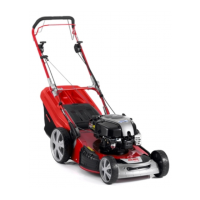
AL-KO Powerline 5200BRV
19 pages
Print Icon
To Next Page IconTo Next Page
Loading...
BENZINRASENMÄHER
POWERLINE
Betriebsanleitung
INFORMATION I MANUALS I SERVICE
QUALITY FOR LIFE
Garden + Hobby
474 130_a I 01/2011
GB
F
I
SLO
DK
N
PL
SK
LV
D
NL
E
H
HR
S
FIN
CZ
EST
RO
LT
RUS
UA
P
BG
GR
TR
SRB
MK
Question and Answer IconNeed help?

Do you have a question about the AL-KO Powerline 5200BRV and is the answer not in the manual?

Summary

About this handbook

Product description

Describes various petrol lawnmower models, their features like grass catcher and mulching.

Proper use

Intended for mowing private property on dry grass only.

Incorrect use

Not for public spaces, must not bypass safety devices, not for damp grass.

Safety and protection devices

Safety brake handle

Equipped with a safety brake; release if danger.

Deflector plate

Provides protection against thrown projectiles.

Symbols on the device

Safety instructions

Additional symbols on lawnmowers with Electrostart

Symbols related to electric start and safety precautions for electric shock.

General Safety Instructions

Use in correct condition, don't disable safety devices, fire risks, keep others away.

Slope Operation

Secure positioning, work across slope, gradient limits, turning care.

Fuelling

Warning - risk of fire!

Petrol and oil are highly inflammable; observe manufacturer's instructions.

Operating fluids

Adding petrol

Steps for adding petrol safely.

Adding motor oil

Steps for adding motor oil safely.

Initial startup

Caution!

Do not use if cutting gear/fastenings are loose, damaged, or worn.

Adjusting the cutting height

Central adjustment

Steps to adjust height using the central knob.

Axle adjustment or central adjustment

Steps to adjust height using levers.

Mowing with the grass catcher

Fill level indicator

Indicator shows when grass catcher is full.

Emptying the grass catcher

Steps to remove and empty the grass catcher.

Mowing without the grass catcher

Caution!

Only use without catcher if deflector plate torsion spring works correctly.

Mulching with the mulch kit (optional)

Inserting the mulch kit

Steps to insert the mulch kit.

Removing the mulch kit

Steps to remove the mulch kit.

Mowing with the side outlet duct (optional)

Inserting the side outlet

Steps to attach the side outlet duct.

Removing the side outlet

Steps to detach the side outlet duct.

Setting the handle height (optional)

Clamp adjustment

Steps to adjust handle height using clamps.

Starting the motor

Caution - risk of poisoning!

Never leave motor running in enclosed space.

Caution - Risk of injury!

Do not tilt lawnmower while starting.

Starting manually

with remote throttle control, with choke

Instructions for manual start with remote throttle and choke.

with remote throttle control, without primer;choke

Instructions for manual start with remote throttle, no choke/primer.

with remote throttle control, with primer

Instructions for manual start with remote throttle and primer.

Starting electrically (optional)

Electrostart with primer

Steps for starting using electric start with primer.

Electrostart without primer;choke

Blade coupling (optional)

Engaging the blade coupling

Steps to engage the mower blade.

Disengaging the blade coupling

Steps to disengage the mower blade.

Turn the motor off

Lawnmower without blade coupling

Steps to turn off motor without blade coupling.

Lawnmower with blade coupling

Steps to turn off motor with blade coupling.

Wheel drive (optional)

Switching on the wheel drive

Steps to engage the wheel drive.

Switching off the wheel drive

Steps to disengage the wheel drive.

Vario transmission (Speed Control) (optional)

Maintenance and care

General Safety Precautions

Switch off motor, pull plug, wear gloves before maintenance.

Tilting the lawnmower

Proper orientation for tilting based on manufacturer.

Mower Blade Servicing

Resharpen/replace blades by specialists; rebalancing is crucial.

Charging the starter battery (optional)

Charging procedure

Steps for charging the starter battery.

Care of the motor

Changing the motor oil

Steps for draining and disposing of used motor oil.

Changing the air filter

Changing the spark plug

Wheel drive (optional)

Adjusting the Bowden cable

Steps to adjust Bowden cable for wheel drive.

Lubricating the drive pinion

Lubrication of drive pinion on transmission shaft.

Repairs

Storage

Disposal

EC declaration of conformity

Faults and remedies

Warranty

Summary

About this handbook

Product description

Describes various petrol lawnmower models, their features like grass catcher and mulching.

Proper use

Intended for mowing private property on dry grass only.

Incorrect use

Not for public spaces, must not bypass safety devices, not for damp grass.

Safety and protection devices

Safety brake handle

Equipped with a safety brake; release if danger.

Deflector plate

Provides protection against thrown projectiles.

Symbols on the device

Safety instructions

Additional symbols on lawnmowers with Electrostart

Symbols related to electric start and safety precautions for electric shock.

General Safety Instructions

Use in correct condition, don't disable safety devices, fire risks, keep others away.

Slope Operation

Secure positioning, work across slope, gradient limits, turning care.

Fuelling

Warning - risk of fire!

Petrol and oil are highly inflammable; observe manufacturer's instructions.

Operating fluids

Adding petrol

Steps for adding petrol safely.

Adding motor oil

Steps for adding motor oil safely.

Initial startup

Caution!

Do not use if cutting gear/fastenings are loose, damaged, or worn.

Adjusting the cutting height

Central adjustment

Steps to adjust height using the central knob.

Axle adjustment or central adjustment

Steps to adjust height using levers.

Mowing with the grass catcher

Fill level indicator

Indicator shows when grass catcher is full.

Emptying the grass catcher

Steps to remove and empty the grass catcher.

Mowing without the grass catcher

Caution!

Only use without catcher if deflector plate torsion spring works correctly.

Mulching with the mulch kit (optional)

Inserting the mulch kit

Steps to insert the mulch kit.

Removing the mulch kit

Steps to remove the mulch kit.

Mowing with the side outlet duct (optional)

Inserting the side outlet

Steps to attach the side outlet duct.

Removing the side outlet

Steps to detach the side outlet duct.

Setting the handle height (optional)

Clamp adjustment

Steps to adjust handle height using clamps.

Starting the motor

Caution - risk of poisoning!

Never leave motor running in enclosed space.

Caution - Risk of injury!

Do not tilt lawnmower while starting.

Starting manually

with remote throttle control, with choke

Instructions for manual start with remote throttle and choke.

with remote throttle control, without primer;choke

Instructions for manual start with remote throttle, no choke/primer.

with remote throttle control, with primer

Instructions for manual start with remote throttle and primer.

Starting electrically (optional)

Electrostart with primer

Steps for starting using electric start with primer.

Electrostart without primer;choke

Blade coupling (optional)

Engaging the blade coupling

Steps to engage the mower blade.

Disengaging the blade coupling

Steps to disengage the mower blade.

Turn the motor off

Lawnmower without blade coupling

Steps to turn off motor without blade coupling.

Lawnmower with blade coupling

Steps to turn off motor with blade coupling.

Wheel drive (optional)

Switching on the wheel drive

Steps to engage the wheel drive.

Switching off the wheel drive

Steps to disengage the wheel drive.

Vario transmission (Speed Control) (optional)

Maintenance and care

General Safety Precautions

Switch off motor, pull plug, wear gloves before maintenance.

Tilting the lawnmower

Proper orientation for tilting based on manufacturer.

Mower Blade Servicing

Resharpen/replace blades by specialists; rebalancing is crucial.

Charging the starter battery (optional)

Charging procedure

Steps for charging the starter battery.

Care of the motor

Changing the motor oil

Steps for draining and disposing of used motor oil.

Changing the air filter

Changing the spark plug

Wheel drive (optional)

Adjusting the Bowden cable

Steps to adjust Bowden cable for wheel drive.

Lubricating the drive pinion

Lubrication of drive pinion on transmission shaft.

Repairs

Storage

Disposal

EC declaration of conformity

Faults and remedies

Warranty

Overview

This document describes various models of petrol lawnmowers from AL-KO, designed for mowing lawns on private property. The manual emphasizes safe and trouble-free operation, requiring users to read the instructions before starting the machine and familiarize themselves with its control elements. It also stresses the importance of saving the instructions and passing them on to subsequent users, as well as observing all safety and warning signs on the machine itself.

Function Description:

The AL-KO petrol lawnmower is primarily intended for cutting grass on private lawns. Some models may include a grass catcher for collecting clippings or be suitable for mulching, where clippings are finely chopped and returned to the lawn as nutrients. The equipment is designed for use on dry grass only.

Important Technical Specifications:

While specific technical specifications like engine power, cutting width, or engine displacement are not detailed in the provided excerpts, the manual indicates that the lawnmower uses petrol and motor oil as operating fluids. It specifies "Regular petrol / unleaded" for fuel and approximately 0.6 liters of motor oil, with exact types referring to the motor manufacturer's instructions. The manual also mentions a maximum grass height of 8 cm before mulching and a minimum of 4 cm after mulching for optimal results. The maximum gradient for operation on slopes is 20°.

Usage Features:

  • Cutting Height Adjustment: The lawnmower offers adjustable cutting heights, which can be set centrally or via axle adjustment depending on the model. Users are instructed to adjust all wheels to the same cutting height when the motor is switched off and the mower blade has come to a standstill.
  • Grass Catcher (Optional): Models with a grass catcher allow for the collection of grass clippings. A fill level indicator shows when the catcher is full and needs emptying. The grass catcher should only be attached or detached when the motor is switched off and the blade is stationary.
  • Mulching Kit (Optional): For mulching, the grass cuttings are not collected but left on the lawn to enrich the soil. The mulch kit should be inserted or removed only when the motor is switched off and the blade is stationary.
  • Side Outlet Duct (Optional): Some models feature a side outlet duct for discharging clippings without collection. This accessory also requires the motor to be switched off and the blade stopped for attachment or detachment.
  • Handle Height Adjustment (Optional): The handle height can be adjusted for ergonomic comfort, typically by loosening clamps, moving the bar, and then locking the clamps.
  • Starting the Motor: The manual details several starting procedures:
    • Manually with remote throttle control (with/without choke/primer): Involves setting the throttle lever to "max," pulling in the safety brake handle, and sharply pulling the starter cord. For cold starts or temperatures below 10°C, a primer button may be used.
    • Electrically (optional) with/without primer/choke: Involves setting the throttle lever to "START," pressing the primer button (if applicable), pulling in the safety brake handle, and turning an ignition key.
  • Blade Coupling (Optional): This feature allows the mower blade to be engaged or disengaged while the motor is running, providing flexibility during operation.
  • Wheel Drive (Optional): For easier maneuverability, some models include a wheel drive that can be switched on or off. The transmission should only be engaged when the motor is running.
  • Vario Transmission (Speed Control) (Optional): This allows for continuous variation of the lawnmower's ground speed, which should be adjusted according to ground and lawn conditions. The lever for speed control should only be operated when the motor is running to prevent damage to the drive mechanism.
  • Safety Brake Handle: All lawnmowers are equipped with a safety brake. Releasing this handle will stop the motor (or just the blade if a blade coupling is present) in case of immediate danger.
  • Deflector Plate: This provides protection against thrown projectiles.

Maintenance Features:

  • General Maintenance: Before any care or maintenance work, the motor must be switched off, and the spark plug connector pulled out. Users should always wear working gloves. The grass catcher should be checked regularly for wear, and the equipment cleaned after each use without hosing or spraying with water to prevent water infiltration.
  • Mower Blade: The mower blade should be checked regularly for damage. Blunt or damaged blades must be resharpened or replaced by a service point or authorized specialist. Resharpened blades must be rebalanced to prevent serious vibrations and potential damage to the lawnmower.
  • Motor Care:
    • Changing Motor Oil: Used oil should be drained or suctioned through the oil filler opening when the motor has cooled down. It must be disposed of environmentally, not with domestic rubbish or poured into sewage systems.
    • Changing Air Filter and Spark Plug: Instructions for these tasks refer to the motor manufacturer's manual.
  • Starter Battery (Optional): The starter battery is maintenance-free and typically charged by the lawnmower. However, it may need user charging before initial start-up, if discharged, before winter, or after long periods of disuse. Charging should occur in dry, well-ventilated rooms, and the lawnmower should not be started while the battery is charging.
  • Wheel Drive Maintenance: The Bowden cable for the wheel drive may need adjustment if the drive cannot be switched on or off correctly. The drive pinion on the transmission shaft should be lubricated periodically. The wheel drive gearing is maintenance-free.
  • Storage: For storage, the motor should be allowed to cool down, and the handlebar can be folded down to save space. The equipment should be stored in a dry area inaccessible to children or unauthorized persons. The starter battery should be protected from frost and recharged periodically. The fuel tank should be drained, and the spark plug connector pulled out before storage.
  • Repairs: All repairs should be carried out only by a service point or an authorized specialist. The manual also advises checking the equipment for damage after bumping against obstacles, if the motor stops suddenly, or if unusual vibrations occur.

Safety Instructions:

The manual contains numerous safety warnings, including:

  • Never leave a motor running in an enclosed space due to toxic hazards.
  • Do not tilt the lawnmower while starting.
  • Only start the motor when the blade is mounted.
  • Do not use the choke or primer button when starting a hot motor.
  • Do not change motor controller settings.
  • Ensure the outlet shaft is covered by a grass catcher, deflector plate, or mulch kit.
  • Keep feet at a safe distance from the cutting gear.
  • Do not operate the equipment if safety devices or protective grilles are damaged or not fully assembled.
  • Do not use the equipment on damp grass or in the rain.
  • Wear appropriate work clothes, including long trousers, hard non-slip shoes, and hearing protection.
  • When working on slopes, always ensure secure footing and work across the slope, never upward or downward. Do not work on slopes steeper than 20°.
  • Do not mow over obstacles like branches or tree roots.
  • Only refuel or drain oil in the open air when the motor has cooled down.
  • Do not overfill the tank, smoke while refueling, or open the tank lock when the motor is running or hot.
  • Always close the tank cap firmly.
  • If petrol or motor oil is spilled, do not start the motor, clean the equipment, and soak up spilled oil with an oil binding agent.

The manual also includes a "Faults and remedies" section to help users troubleshoot common issues like the motor not starting, reduced motor power, uneven cutting, or wheel drive malfunction. For faults not listed or unresolvable, users are advised to contact customer service. The warranty information specifies conditions for validity, such as proper use, adherence to operating instructions, and use of genuine replacement parts, while excluding normal wear and tear, tampering, or commercial use.

AL-KO Powerline 5200BRV Specifications

General IconGeneral
BrandAL-KO
ModelPowerline 5200BRV
CategoryLawn Mower
LanguageEnglish

Related product manuals