EasyManua.ls Logo

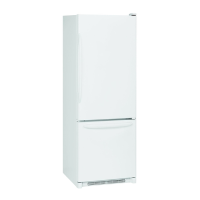
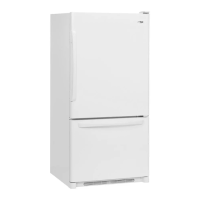
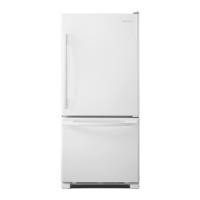
Amana AB1924PEK Series - User Manual

Amana AB1924PEK Series
39 pages
Print Icon
To Next Page IconTo Next Page
Loading...
International
Bottom Mount
Refrigerators
This Base Manual covers general information
Refer to individual Technical Sheet
for information on specific models
This manual includes, but is
not limited to the following:
Amana
AB1924PEK*
AB2026PEK*
AB2225PEK*
AB2226PEK*
AB2526PEK*
G32026PEK*
G32526PEK*
GB1924PEK*
GB2225PEK*
GB2526PEK*
Service
This manual is to be used by qualified appliance
technicians only. Maytag does not assume any
responsibility for property damage or personal
injury for improper service procedures done by
an unqualified person.
16023324
July 2004

Table of Contents

Questions and Answers

  • K
    kellybryanAug 23, 2025
    Why is the freezer and refrigerator section of my Amana Refrigerator too warm?
    • P
      ppayneAug 23, 2025
      If both the freezer and refrigerator sections of your Amana Refrigerator are too warm: * The temperature controls might be set too warm; reset them. * A poor door seal could be the issue; level the cabinet, adjust the hinges, and replace the gasket if necessary. * A dirty condenser or obstructed grille could be the cause; check and clean them. * A faulty control might be the reason; test the control and replace it if it has failed. * A refrigerant shortage or restriction could be the issue; check for leaks or restrictions, and repair, evacuate and recharge the system.
  • D
    Daniel OnealAug 27, 2025
    What should I do if my Amana AB1924PEK section is too cold?
    • D
      Debra AndersonAug 27, 2025
      If your Amana Refrigerator section is too cold: * The refrigerator temperature control might be set too cold; adjust it. * The refrigerator airflow may not be properly adjusted; check the air flow.
  • D
    dunlapheidiAug 30, 2025
    What to do if my Amana AB1924PEK Refrigerator freezer section is too cold?
    • H
      Holly PittsAug 30, 2025
      If your Amana Refrigerator's freezer section is too cold: * The freezer temperature control may be set too cold. Adjust the freezer temperature control. * A faulty control may be the cause. Test the control and replace it if it has failed.
  • S
    sarahlopezSep 3, 2025
    What causes my Amana AB1924PEK to run continuously and be too cold?
    • A
      Amber JonesSep 3, 2025
      If your Amana Refrigerator runs continuously and the temperature is too cold, a faulty defrost thermostat could be the cause. Check the thermostat and replace it if necessary.
  • K
    Katie BeckerSep 7, 2025
    Why is my Amana AB1924PEK unit not running?
    • P
      Peter ChavezSep 7, 2025
      Your Amana Refrigerator might not be running due to several reasons: * There may be no power to the unit. Check the outlet and the fuse box/circuit breaker. * A faulty power cord could be the issue. Use a test light to check for a circuit at the unit. * Low voltage could be the cause. Ensure the input voltage is correct. * A faulty motor, relay, or compressor could also be the reason. Check all connections, test the components, and replace if necessary. * A faulty overload may be the reason. Check overload for continuity. Be sure the compressor/overload are below trip temperature before testing. Replace if needed.
  • K
    Kenneth PattersonNov 11, 2025
    Why is my Amana AB1924PEK Refrigerator running continuously?
    • L
      Lisa RhodesNov 11, 2025
      If your Amana Refrigerator is running continuously, consider the following: * The temperature control might be set too cold, so adjust it. * A dirty condenser or obstructed grille could be the cause; check and clean them. * A poor door seal could be the issue; level the cabinet, adjust the hinges and replace the gasket if necessary. * The interior light might be remaining on; check the switch and replace if needed. * A faulty condenser fan or evaporator fan could be the problem; check the fan and wiring and replace if needed. * A faulty control might be the reason; test the control and replace it if it has failed. * A refrigerant shortage or restriction could be the cause; check for leaks or restrictions, repair, evacuate and recharge the system. * Refrigerant overcharge m...
  • M
    mary35Nov 15, 2025
    What to do if my Amana Refrigerator section is too warm?
    • E
      Ernest MiddletonNov 15, 2025
      If your Amana Refrigerator section is too warm, consider the following: * Avoid excessive door opening. * Do not overload the shelves. * Allow warm or hot foods to cool before placing them in the refrigerator. * Ensure the cold control isn't set too warm; adjust to a colder setting. * Check the door seal for any issues; level the cabinet, adjust the hinges, or replace the gasket if needed. * Inspect the refrigerator airflow by checking if the damper is opening properly. The damper should open when the door is open. Also, turn the control knob to a colder position. * See if the interior light remains on, and if so, check the switch. * A faulty condenser fan or evaporator fan may cause the issue. Check the fan and wiring. * A faulty compressor can also be the reason; consi...
  • J
    Jenna BradfordNov 18, 2025
    What causes noisy operation in my Amana AB1924PEK?
    • E
      elijahbonillaNov 18, 2025
      Noisy operation in your Amana Refrigerator can be caused by several factors: * Loose or unstable flooring may be the issue; repair or brace the floor. * The cabinet might not be level; adjust it to be level. * Tubing may be in contact with the cabinet or other components; adjust the tubing. * The drip pan could be vibrating; adjust the drain pan. * The fan might be hitting another part; ensure it's properly aligned and that all hardware is tight. * Worn fan motor bearings can also cause noise; check the motor for lubricant loss or wear and replace if needed. * Worn or missing compressor mounting grommets, or loose mounting hardware can be the reason; tighten the hardware and replace the grommets if necessary. * Free or loose parts may be causing noise during operation; ins...

Summary

Important Information

Important Notices for Servicers and Consumers

Guidelines for safe and proper appliance servicing and consumer interaction.

Customer Service Support Center

Contact information for customer support and assistance.

Recognize Safety Symbols, Words, and Labels

Explanation of safety symbols, warning words, and hazard labels.

Product Design

Refrigeration System

Details the process of cooling using refrigerant, compressor, condenser, and evaporator.

Temperature Controls

Explains how freezer and fresh food compartment temperatures are regulated.

Defrost System

Describes the mid-level electronic defrost system and its operation.

Component Testing

Compressor

Procedures for testing compressor resistance, ground, and operation.

Capacitor

Instructions for testing capacitor resistance, including good, open, shorted, and high resistance states.

Condenser

Information on condenser function and leak detection methods.

Overload; Relay

Testing procedures for overload and relay components in the compressor circuit.

Control board

References section for control board troubleshooting information.

Ice maker

Optional component; references section for service information.

Evaporator fan motor

Tests for evaporator fan motor resistance and voltage.

Electric damper control

Procedure to check resistance of the electric damper control.

Switch, refrigerator light

Testing procedure for refrigerator light single pole, single throw switch.

Switch, freezer light

Testing procedure for freezer light double throw switch.

Switch, water dispenser

Testing procedure for water dispenser single pole, single throw switch.

Drier

Guidance on drier replacement and handling, noting R12 vs R134a compatibility.

Evaporator

Procedure for testing evaporator for leaks and refrigerant expansion.

Evaporator heater (defrost)

Tests for evaporator heater continuity and defrost system operation.

Thermostat (defrost)

Testing defrost thermostat continuity and operation in the defrost circuit.

Thermistor

Instructions to check thermistor resistance across leads at different temperatures.

Condenser motor

Check resistance across coil for condenser fan motor.

ECM condenser motor

Check resistance across coil for ECM condenser motor.

Service Procedures

Service Equipment

Lists essential equipment required for servicing HFC134a refrigeration systems.

Drier Replacement

Step-by-step instructions for replacing the drier filter in HFC134a systems.

Refrigerant Precautions

Warnings and cautions regarding safe handling of refrigerants.

Line Piercing Valves

Information on the use and limitations of line piercing valves.

Open Lines

Precautions to prevent moisture ingress when refrigeration lines are open.

Compressor Operational Test

Procedure for performing an operational test on the compressor.

Dehydrating Sealed Refrigeration System

Explains the importance of removing moisture and its chemical reactions in the system.

Leak Testing

Procedures for leak testing systems with or without a refrigerant charge.

Testing Systems Containing a Refrigerant Charge

Methods for detecting leaks in systems with existing refrigerant.

Testing Systems Containing No Refrigerant Charge

Procedure for leak testing systems after refrigerant has been removed.

Restrictions

Discusses symptoms and causes of restrictions in the sealed system.

Testing for Restrictions

Steps to identify and diagnose restrictions within the refrigeration system.

Evacuation and Charging

Overview of evacuation and charging procedures for refrigeration systems.

Evacuation

Detailed steps for evacuating a sealed refrigeration system to remove air and moisture.

Charging

Instructions for charging the refrigeration system with the correct amount of refrigerant.

Refrigerant Charge

Emphasizes the critical nature of exact refrigerant charge for system performance.

HFC134 a Service Information

Details on HFC134a refrigerant, its properties, and differences from CFC12.

Health, Safety, and Handling

Covers health, safety, and handling considerations for HFC134a.

Spill management

Procedures for managing spills of refrigerants.

Disposal procedures

Guidance on proper disposal of refrigerants and related materials.

Comparison of CFC12 and HFC134 a Properties

Table comparing properties like ODP, GWP, and boiling points.

Replacement Service Compressor

Instructions for installing a replacement service compressor.

Compressor Testing Procedures

Methods for testing compressor operation, including temperature and wattage.

Brazing

Guidelines and materials for brazing refrigeration system connections.

Refrigerant Flow

Bottom Mount Refrigerant Flow Diagram

Diagram illustrating the flow path of refrigerant through the system.

Cabinet Air Flow

Bottom Mount Cabinet Air Flow Diagram

Diagram showing air circulation within the refrigerator and freezer compartments.

Machine Compartment Air Flow

Two Way Bottom Mount Machine Compartment Air Flow Diagram

Diagram illustrating two-way airflow in the machine compartment.

Machine Compartment Air Flow

One Way Bottom Mount Machine Compartment Air Flow Diagram

Diagram illustrating one-way airflow in the machine compartment.

Typical External Sweat Pattern

CLASSIFICATION OF CONDENSATION

Defines classifications for condensation patterns observed on the unit exterior.

Troubleshooting Chart

Unit does not run

Lists possible causes and corrective actions for a unit that does not operate.

Refrigerator section too warm

Identifies causes and fixes for a refrigerator compartment that is too warm.

Refrigerator section too cold

Possible causes and remedies for a refrigerator section that is too cold.

Freezer and refrigerator sections too warm

Troubleshooting steps for both compartments being too warm.

Freezer section too cold

Causes and solutions for a freezer section that is too cold.

Unit runs continuously

Addresses issues where the unit runs constantly without cycling.

Frost or ice on evaporator

Diagnoses causes of frost or ice buildup on the evaporator.

Unit starts and stops frequently (cycles on and off)

Troubleshooting for units that cycle on and off erratically.

System Diagnosis

Refrigerant Overcharge

Symptoms and indicators of too much refrigerant in the system.

Shortage of Refrigerant

Symptoms and indicators of insufficient refrigerant in the system.

Partial Restriction

Symptoms and diagnosis of a partial blockage in the refrigerant system.

Air in System

Indicators of air contamination within the sealed refrigeration system.

Low Ambient Installations

Effects of low ambient temperatures on system performance.

Additional Heat Load

Impact of increased heat load on system operation and pressures.

Inefficient Compressor

Symptoms and diagnosis of a compressor that is not operating efficiently.

Symptoms of an Overcharge

Detailed symptoms associated with refrigerant overcharge.

Symptoms of Refrigeration Shortage

Detailed symptoms associated with a refrigerant shortage.

Symptoms of a Restriction

Detailed symptoms and diagnostic methods for refrigerant system restrictions.

Symptoms of Air in System

Detailed symptoms and diagnostic methods for air in the refrigeration system.

Symptoms of Low or High Ambient Temperature Installation

How ambient temperature affects refrigeration system performance.

Heat Load

Factors contributing to heat load and their impact on the system.

Disassembly Procedures

Door Removal

Step-by-step guide for removing refrigerator and freezer doors.

Fresh Food Door

Detailed procedure for removing the fresh food compartment door.

Freezer Door (some models)

Instructions for removing the freezer compartment door.

Freezer Drawer (some models)

Procedure for removing the freezer drawer.

Refrigerator Compartment

Disassembly of components within the refrigerator compartment.

Light Bulb

Instructions for removing the refrigerator light bulb cover.

Light Bulb Assembly

Procedure for removing the refrigerator light bulb assembly and related parts.

Light Bulb Sockets

Steps to disconnect and remove light bulb sockets.

PC Control Board

Instructions for accessing and removing the PC control board.

Electronic Temp-Assure Damper Control

Procedure for removing the electronic damper control assembly.

Light Switch

Steps to disconnect and remove the light switch.

Fresh Food Thermistor (some models)

Procedure for accessing and removing the fresh food thermistor.

Water Tank (some models)

Instructions for removing the water tank assembly.

Water Dispenser (some models)

Procedure for removing the water dispenser assembly.

Freezer Compartment

Disassembly of components within the freezer compartment.

Freezer Thermistor (some models)

Steps to remove the freezer compartment thermistor.

Light Socket

Procedure for removing the freezer light socket.

Light Switch

Steps to remove the freezer light switch.

Freezer Back Panel

Instructions for removing the freezer compartment back panel.

Evaporator Fan, Evaporator Motor

Procedure for removing the evaporator fan and motor assembly.

Defrost Terminator (Thermostat)

Steps to remove the defrost terminator (thermostat) from evaporator tubing.

Defrost Heater

Procedure for removing the defrost heater from the evaporator.

Evaporator Removal

Instructions for removing the evaporator, including refrigerant reclaim.

Drawer Assembly (some models)

Procedure for removing the drawer assembly.

Drawer Rails

Steps to remove the drawer rails from the retainer.

Rack and Pinion Gear

Procedure for removing the rack and pinion gear assembly.

Bottom of Cabinet

Disassembly of components located at the bottom of the cabinet.

Front Roller Assembly

Instructions for removing the front roller assembly.

Rear Roller Assembly

Procedure for removing the rear roller assembly.

Machine Compartment

Disassembly of components within the machine compartment.

Condenser Fan & Fan Motor

Steps to remove the condenser fan and motor.

Compressor

Instructions for removing the compressor, including disconnecting lines.

Overload;Relay;Capacitor

Procedure for removing the overload, relay, and capacitor assembly.

Condensate Drain Pan

Steps to remove the condensate drain pan.

Condensate Drain Tube

Procedure for removing the condensate drain tube.

Condenser Removal

Instructions for removing the condenser and related tubing.

Control Board (Mid Level)

Programming Mode

Steps to enter and use the programming mode for setting codes.

Defrost Operation

Explanation of how the control board manages defrost cycles.

Forced Defrost Mode

Procedure to activate the forced defrost mode using the keypad.

Forced Defrost Mode

Continued procedure for entering and operating the forced defrost mode.

Service Test Mode

Instructions for entering and navigating the service test mode.

Service Test 1 - Defrost Thermostat & Defrost Circuit Test

Test to verify defrost thermostat and circuit operation.

Service Test 2 - Compressor;Condenser Fan Test

Test to evaluate compressor and condenser fan circuit operation.

Service Test 3 - Evaporator;Freezer Fan Test

Test to operate and inspect the evaporator/freezer fan.

Service Test 4 - Fresh Food Thermistor Test

Test to check the fresh food thermistor for Pass, Open, or Short results.

Service Test 5 - Freezer Thermistor Test

Test to check the freezer thermistor for Pass, Open, or Short results.

Service Test 6 - Open Damper Test

Test to check the refrigerator damper position and function.

Service Test 7 - FF Performance Adjustment

Allows adjustment of fresh food performance points (warmer/colder).

Service Test 8 - FZ Performance Adjustment

Allows adjustment of freezer performance points (warmer/colder).

Amana AB1924PEK Series Specifications

General IconGeneral
BrandAmana
CategoryRefrigerator
ModelAB1924PEK
TypeTop Freezer
ColorWhite
ShelvesAdjustable Glass

Related product manuals