The Anprolene Tabletop Gas Sterilizer is a medical device designed for the sterilization of various items using ethylene oxide (EO) gas. This system provides a safe and effective method for sterilizing heat-sensitive instruments and materials that cannot withstand traditional high-temperature sterilization methods like autoclaving. The tabletop design emphasizes ease of integration into existing clinical or laboratory environments, making it suitable for a wide range of healthcare facilities, including hospitals, clinics, and dental offices.
Function Description
The primary function of the Anprolene sterilizer is to achieve terminal sterilization of medical devices and other materials. It operates by exposing items to a controlled concentration of ethylene oxide gas within a sealed chamber. EO gas is a highly effective sterilant that penetrates packaging and lumens of complex instruments, killing microorganisms, including bacteria, viruses, fungi, and spores. This low-temperature sterilization process is crucial for preserving the integrity and functionality of delicate instruments, such as endoscopes, cameras, and plastic components, which would otherwise be damaged by heat or moisture. The system is designed to provide a complete sterilization cycle, encompassing exposure to the sterilant, followed by aeration to remove residual EO gas, ensuring the safety of both the sterilized items and the personnel handling them.
Usage Features
The Anprolene Tabletop Gas Sterilizer is designed with user convenience and safety in mind, offering several key usage features:
- Tabletop Design: Its compact, tabletop form factor allows for flexible placement within a facility. This design minimizes the need for dedicated sterilization rooms, making it accessible even in spaces with limited area.
- Low-Temperature Sterilization: The device operates at low temperatures, typically around room temperature (68°F or above), which is ideal for heat-sensitive materials. This feature extends the lifespan of delicate instruments and reduces the risk of damage.
- Ethylene Oxide Sterilization: The use of EO gas ensures broad-spectrum microbicidal activity, effectively sterilizing a wide range of materials, including plastics, rubber, and electronics, which are incompatible with other sterilization methods.
- Exhaust System Options: The sterilizer offers multiple installation options for exhausting the EO gas, ensuring safe operation and compliance with environmental regulations.
- Recommended Installation (Direct to Outside): This method involves venting the exhaust directly to the outside through a ¾" (1.9cm) I.D. tubing, ideally near an outside wall. Andersen provides through-wall mounting kits for this purpose. This setup requires the sterilizer to be in an area maintaining 68°F or above.
- Alternate Option 1 (Roof Installation with Vent Boot): For situations where direct wall venting is not feasible, exhaust can be routed through the roof. This involves installing 2" SCH 40 PVC piping with a roof vent boot, extending just below the ceiling. An adapter cap (¾" I.D. to 2") is available from Andersen. This option allows for longer exhaust runs (up to 800 feet, though bends and 90° turns will reduce this distance).
- Alternate Option 2 (Remote Location Installation): This option allows for greater flexibility in sterilizer placement. It utilizes ¾" (1.9cm) I.D. braided tubing, which can extend up to 200 feet (60.96m), enabling the sterilizer to be located in a remote area while ensuring proper exhaust. The tubing path should protect against obstruction or damage. For plenum-designated areas, plenum-rated materials are required.
- Alternate Option 3 (Soffit or Eve Termination): This method involves using a through-wall mounting kit as a ceiling mount to terminate the exhaust at the soffit or eve of the building. Straight quick-disconnect fittings and vent screens are available to facilitate this installation.
- Safety Guidelines: The installation guidelines emphasize critical safety considerations, such as AAMI recommendations for venting EO sterilizers. The exhaust line must be dedicated and terminate to the outside atmosphere or an emission control system. It should not terminate within 25 feet of any building air intake source, near pedestrian or animal traffic, or in a way that allows EO release to re-enter the building. These guidelines are crucial for protecting personnel and the environment from EO exposure.
- User-Friendly Interface: While not explicitly detailed in the provided images, tabletop sterilizers typically feature intuitive controls and indicators to guide users through the sterilization cycle, monitor progress, and alert them to any issues. This simplifies operation and reduces the potential for user error.
- Adaptability: The availability of various installation accessories, such as adapter caps, vent boots, and mounting kits, enhances the system's adaptability to different building structures and ventilation requirements.
Maintenance Features
Maintaining the Anprolene Tabletop Gas Sterilizer is essential for ensuring its continued safe and effective operation. While specific maintenance schedules are not detailed, the design implies several aspects:
- Component Accessibility: The modular nature of the exhaust system, with quick-release connectors and standard PVC components, suggests that parts of the exhaust pathway can be accessed for inspection, cleaning, or replacement if necessary.
- Tubing and Piping Inspection: Regular inspection of the ¾" I.D. tubing and 2" SCH 40 PVC piping (depending on the installation option) is crucial to ensure there are no blockages, leaks, or damage that could compromise the exhaust system's integrity. The braided tubing used in remote installations is designed for durability, but periodic checks are still important.
- Vent Screen Maintenance: For installations using vent screens (e.g., soffit/eve termination), periodic cleaning or replacement of these screens may be necessary to prevent blockages from debris, insects, or other environmental factors, ensuring unobstructed exhaust flow.
- Adapter and Connector Checks: Quick-release connectors and adapter caps should be regularly checked for secure fit and signs of wear or damage to prevent leaks in the exhaust pathway.
- Room Temperature Monitoring: The requirement for the sterilizer to be placed in an area that can maintain 68°F or above room temperature implies that environmental controls and monitoring are part of the operational maintenance, ensuring optimal sterilization conditions.
- Professional Support: The manual explicitly states, "For further installation assistance please call your Andersen representative or 1.800.523.1276," indicating that professional support is available for both installation and ongoing maintenance inquiries. This suggests that some maintenance tasks may require specialized knowledge or tools provided by the manufacturer.
- Compliance with Guidelines: Adhering to AAMI guidelines for EO sterilizer venting is not just an installation requirement but an ongoing maintenance practice. Regular verification that the exhaust system continues to meet these standards is critical for safety and regulatory compliance. This includes ensuring the termination point remains clear of air intakes, pedestrian traffic, and pathways for re-entry into the building.
Overall, the Anprolene Tabletop Gas Sterilizer is a versatile and essential device for healthcare facilities requiring low-temperature sterilization. Its thoughtful design, multiple installation options, and emphasis on safety and compliance make it a reliable choice for processing delicate instruments.

 Need help?
 General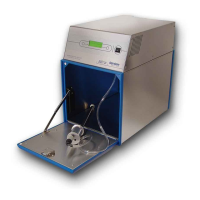

 To Next Page