Audit Example - Dynamic
As previously discussed it is fastener tension which holds an assembly together. Residual
tension on the fastener is the characteristic that is really of concern in a fastener audit. Due to
its nature, tension is a very difficult thing to measure. Since fastener tension results from the
applied torque energy it follows that the two bear a relationship to each other. In other words
measuring torque yields a picture of tension.
In this example we will discuss auditing a bolt used to secure a seat belt anchor point. A 12
mm bolt is used; the bolt is installed using a powered installation tool which applies 90 Newton
Meters of torque. A previous design study found that 90 Nm of torque applied to the fastener
in this application yields the desired 8,000 pound clamp load on this joint. The powered tool is
equipped with a built in transducer which can read a maximum torque value of 135 Nm and
the tool is adjusted to release when it senses 90 Nm of torque at the socket.
One way to verify that the anchor bolt is actually being installed to 90 Nm (or 8000 Pounds of
clamp load) is to monitor maximum torque seen at the socket during the installation cycle.
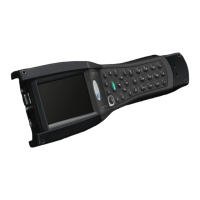
Since this tool incorporates a built in transducer it is a simple matter to connect a monitoring
device, such as the DataMyte 501, and electronically capture the "Peak" torque seen during
each installation cycle.
The data collector can capture the peak torque values seen during multiple installations. Once
collected this data can then be processed by the 501 to yield a picture (histogram) of the 6
sigma torque scatter for the tool. The data collector can then compare this 6 sigma
distribution to the high and low specification limits the tool is adjusted to work within. This
type of study very quickly yields a picture of a tools capability (Cpk) to perform the desired
task. A Cpk of less than 1.33 is considered insufficient.
Ongoing or periodic checks of this tool using this approach preclude any further auditing of this
fastener.


 To Next Page
 Loading...