Using Your Aston Microphone
If you are an experienced audio practitioner, then you’ll need
little instruction to using Aston microphones — just apply
standard 48 Volt Phantom power to our condenser models and
you’re in business. The Aston badge always denotes the front
of the microphone when using cardioid pattern for main vocals,
guitars etc. If you’re still ghting your way up the learning curve,
the following section will help get you up to speed.
Recording Vocals
Vocals are most often recorded using a side-address, large
diaphragm, cardioid-pattern condenser microphone.
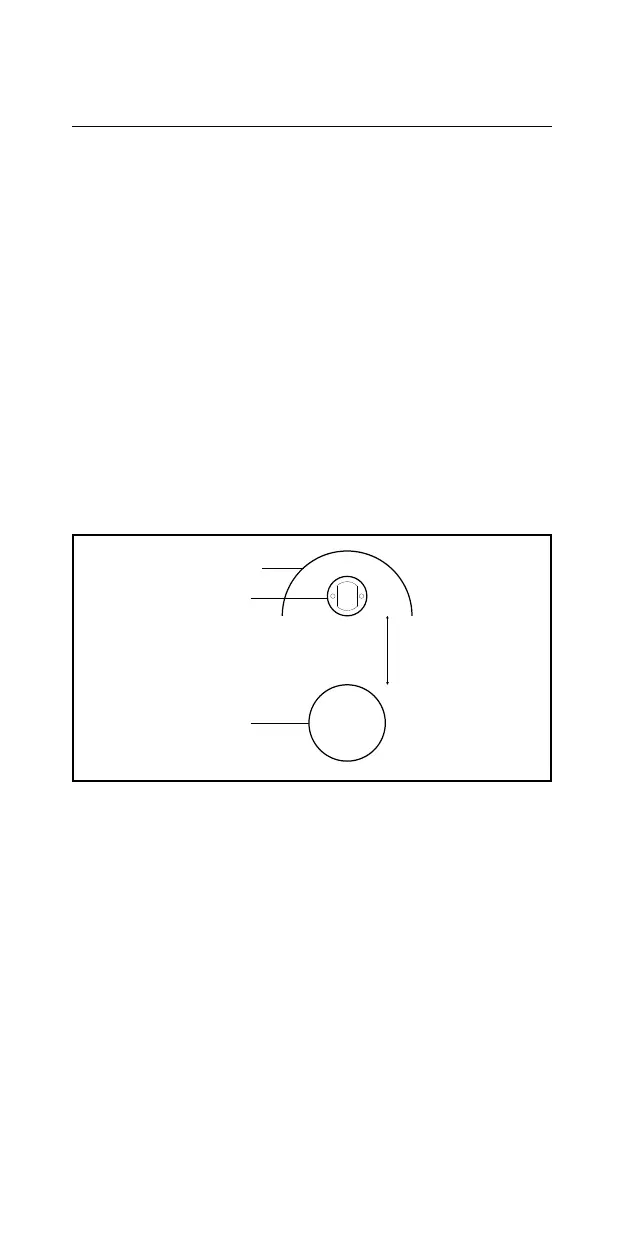
It is important that the space in which vocals are recorded is free
from unwanted room reections, something best achieved by
using an Aston Halo reection lter behind the microphone.
Using adequate absorption is particularly important if using
omni or gure-of-eight patterns where the sides of an omni mic
also need more screening.
The mic is usually placed at a distance of 200 to 300mm from
the mouth. The built in knitted mesh pop lter will minimise
plosives, and switching in the low-cut lter can also help.
When using cardioid or gure-of-eight patterns, the proximity
eect will cause the sound to become more bass-heavy the
closer the microphone is to the mouth. A skilled vocalist can
sometimes exploit the proximity eect to control the voice
timbre while recording but less-experienced vocalists are safest
keeping a xed distance from the mic.
Acoustic Guitar
Setting up to record acoustic guitars is a much more complex
exercise than recording single vocals. Acoustic guitar can be
recorded using either large diaphragm microphones or small
diaphragm models depending on what you have to hand.
As with vocals you can try dierent polar patterns though many
users stick with cardioid so as to minimise spill. If you do use
gure-of-eight or omni patterns, you’ll pick up more room
Reflection Filter
Vocalist
Microphone
200-300mm
12



 To Next Page
 Loading...