EasyManua.ls Logo

Bauer 1952E-B6 - User Manual

Bauer 1952E-B6
8 pages
Print Icon
To Next Page IconTo Next Page
Loading...
!"#"$%&'(%)*+#"$*%,$-%.$$/-00)))1.,(+&(2(*"3.$14&5
65,"7%&'(%$*4.8"4,7%#'//&($%,$-%/(&9'4$#'//&($:.,(+&(2(*"3.$14&5
Owners Manual & Safety Instructions
Save This Manual Keep this manual for the safety warnings and precautions, assembly,
operating, inspection, maintenance and cleaning procedures. Write the product’s serial number in the
back of the manual near the assembly diagram (or month and year of purchase if product has no number).
Keep this manual and the receipt in a safe and dry place for future reference. 19b
When unpacking, make sure that the product is intact
and undamaged. If any parts are missing or broken,
please call 1-888-866-5797 as soon as possible.
Copyright
©
2019 by Harbor Freight Tools
®
. All rights reserved.
No portion of this manual or any artwork contained herein may be reproduced in
any shape or form without the express written consent of Harbor Freight Tools.
Diagrams within this manual may not be drawn proportionally. Due to continuing
improvements, actual product may differ slightly from the product described herein.
Tools required for assembly an d se rv ic e may n ot b e in cl uded.
Read this material before using this product.
Failure to do so can result in serious injury.
SAVE THIS MANUAL.
Question and Answer IconNeed help?

Do you have a question about the Bauer 1952E-B6 and is the answer not in the manual?

Summary

Owners Manual & Safety Instructions

Warning Symbols and Definitions

Danger Symbol

Indicates a hazardous situation which, if not avoided, will result in death or serious injury.

Warning Symbol

Indicates a hazardous situation which, if not avoided, could result in death or serious injury.

Caution Symbol

Indicates a hazardous situation which, if not avoided, could result in minor or moderate injury.

Notice Caution Symbol

Addresses practices not related to personal injury.

Important Safety Instructions

Unplug When Not In Use

Unplug appliance when not in use and before servicing to prevent hazards.

Indoor Storage and Rain Protection

Store the appliance indoors and avoid exposure to rain to prevent damage.

Child Safety and Supervision

Do not allow children to use as a toy; close attention is needed when children are present.

Approved Usage and Attachments

Use only as described in the manual and with manufacturer-recommended attachments.

Use of Damaged Equipment

Do not use damaged equipment; return to service center if faulty or damaged.

Cord Handling and Protection

Protect the power cord from damage, pulling, sharp edges, and heat.

Proper Unplugging Technique

Grasp the plug, not the cord, when unplugging the appliance.

Wet Hand Precautions

Avoid handling the plug or appliance with wet hands to prevent shock.

Keep Openings Clear

Keep all openings clear of objects, dust, lint, and hair to maintain airflow.

Body Part Clearance

Keep body parts, hair, and clothing away from openings and moving parts.

Turn Off Controls Before Unplugging

Ensure all controls are turned off before unplugging the appliance.

Stair Cleaning Safety

Exercise caution when cleaning on stairs to prevent falls or accidents.

Flammable Liquid Prohibition

Do not use for picking up flammable or combustible liquids like gasoline.

Double Insulation Servicing

Use only identical replacement parts and follow instructions for servicing double-insulated appliances.

Hot Ash Prohibition

Do not pick up burning or smoking materials like cigarettes or hot ashes.

Filter and Dust Bag Requirement

Always use with dust bag and/or filters in place for proper operation.

Household Use Only

This appliance is intended for household use only.

Dry Hands and Feet

Ensure hands and feet are dry before touching the plug or switch.

Do Not Use With Full Tank

Cease operation if the tank is full of liquid to prevent damage.

Container Water Pickup Prohibition

Do not use to pick up water directly from containers like sinks or tubs.

Alertness and Common Sense

Operate with alertness, common sense, and avoid use when tired or under influence.

Maintain Labels and Nameplates

Keep appliance labels and nameplates legible for important safety information.

Pacemaker User Precautions

Pacemaker users should consult a physician due to potential electromagnetic field interference.

Operator Responsibility for Safety

Operator must supply common sense and caution as manual cannot cover all situations.

Servicing of Double-Insulated Appliances

Polarization Instructions

Specifications

Setup - Before Use

Components and Controls Overview

Identifies key components and controls of the vacuum cleaner for setup and operation.

Assembly

Removing the Power Head

Instructions on how to detach the power head from the tank for assembly or maintenance.

Attaching Swivel Casters

Guide for attaching swivel casters to the vacuum tank for mobility.

Filter Installation for Dry Vacuuming

Steps for installing the filter correctly for dry vacuuming operations.

Filter Removal for Wet Vacuuming

Procedure to remove the filter when preparing for wet vacuuming.

Reattaching the Power Head

Steps to securely reattach the power head to the tank after assembly.

Connecting the Hose

Instructions on how to properly connect the hose to the vacuum port.

Adding Extension Wands and Nozzle

Guidance on attaching extension wands and the gulper nozzle as needed.

Operating Instructions

Extension Cord Recommendations

Guidance on selecting appropriate extension cords based on amperage and length.

Vacuum Operation Steps

Step-by-step instructions for operating the vacuum cleaner.

Wet Vacuuming Procedure

Specific instructions and warnings for performing wet vacuuming operations.

Post-Operation Procedures

Steps to take after use, including emptying, cleaning, and storage.

Blower Operation

Extension Cord Recommendations

Guidance on selecting appropriate extension cords for blower function.

Blower Operation Safety

Safety precautions, including eye protection and clearing the tank, for blower use.

Blower Operation Steps

Instructions for using the vacuum cleaner as a blower.

Post-Blower Operation

Procedures for turning off, cleaning, and storing the appliance after blower use.

User-maintenance and Storage

General Inspection Before Use

Check for loose hardware, misalignment, air leaks, cracks, or damaged wiring before each use.

Cleaning and Storage After Use

Wipe external surfaces and store in a dry, indoor area away from children.

Lubrication Information

Note that all parts are permanently lubricated and do not require additional lubrication.

Damaged Supply Cord Warning

Warning that a damaged supply cord must be replaced by a qualified technician.

Filter Cleaning Procedure

Steps for cleaning and drying the filter, with a warning against installing a wet filter.

Summary

Owners Manual & Safety Instructions

Warning Symbols and Definitions

Danger Symbol

Indicates a hazardous situation which, if not avoided, will result in death or serious injury.

Warning Symbol

Indicates a hazardous situation which, if not avoided, could result in death or serious injury.

Caution Symbol

Indicates a hazardous situation which, if not avoided, could result in minor or moderate injury.

Notice Caution Symbol

Addresses practices not related to personal injury.

Important Safety Instructions

Unplug When Not In Use

Unplug appliance when not in use and before servicing to prevent hazards.

Indoor Storage and Rain Protection

Store the appliance indoors and avoid exposure to rain to prevent damage.

Child Safety and Supervision

Do not allow children to use as a toy; close attention is needed when children are present.

Approved Usage and Attachments

Use only as described in the manual and with manufacturer-recommended attachments.

Use of Damaged Equipment

Do not use damaged equipment; return to service center if faulty or damaged.

Cord Handling and Protection

Protect the power cord from damage, pulling, sharp edges, and heat.

Proper Unplugging Technique

Grasp the plug, not the cord, when unplugging the appliance.

Wet Hand Precautions

Avoid handling the plug or appliance with wet hands to prevent shock.

Keep Openings Clear

Keep all openings clear of objects, dust, lint, and hair to maintain airflow.

Body Part Clearance

Keep body parts, hair, and clothing away from openings and moving parts.

Turn Off Controls Before Unplugging

Ensure all controls are turned off before unplugging the appliance.

Stair Cleaning Safety

Exercise caution when cleaning on stairs to prevent falls or accidents.

Flammable Liquid Prohibition

Do not use for picking up flammable or combustible liquids like gasoline.

Double Insulation Servicing

Use only identical replacement parts and follow instructions for servicing double-insulated appliances.

Hot Ash Prohibition

Do not pick up burning or smoking materials like cigarettes or hot ashes.

Filter and Dust Bag Requirement

Always use with dust bag and/or filters in place for proper operation.

Household Use Only

This appliance is intended for household use only.

Dry Hands and Feet

Ensure hands and feet are dry before touching the plug or switch.

Do Not Use With Full Tank

Cease operation if the tank is full of liquid to prevent damage.

Container Water Pickup Prohibition

Do not use to pick up water directly from containers like sinks or tubs.

Alertness and Common Sense

Operate with alertness, common sense, and avoid use when tired or under influence.

Maintain Labels and Nameplates

Keep appliance labels and nameplates legible for important safety information.

Pacemaker User Precautions

Pacemaker users should consult a physician due to potential electromagnetic field interference.

Operator Responsibility for Safety

Operator must supply common sense and caution as manual cannot cover all situations.

Servicing of Double-Insulated Appliances

Polarization Instructions

Specifications

Setup - Before Use

Components and Controls Overview

Identifies key components and controls of the vacuum cleaner for setup and operation.

Assembly

Removing the Power Head

Instructions on how to detach the power head from the tank for assembly or maintenance.

Attaching Swivel Casters

Guide for attaching swivel casters to the vacuum tank for mobility.

Filter Installation for Dry Vacuuming

Steps for installing the filter correctly for dry vacuuming operations.

Filter Removal for Wet Vacuuming

Procedure to remove the filter when preparing for wet vacuuming.

Reattaching the Power Head

Steps to securely reattach the power head to the tank after assembly.

Connecting the Hose

Instructions on how to properly connect the hose to the vacuum port.

Adding Extension Wands and Nozzle

Guidance on attaching extension wands and the gulper nozzle as needed.

Operating Instructions

Extension Cord Recommendations

Guidance on selecting appropriate extension cords based on amperage and length.

Vacuum Operation Steps

Step-by-step instructions for operating the vacuum cleaner.

Wet Vacuuming Procedure

Specific instructions and warnings for performing wet vacuuming operations.

Post-Operation Procedures

Steps to take after use, including emptying, cleaning, and storage.

Blower Operation

Extension Cord Recommendations

Guidance on selecting appropriate extension cords for blower function.

Blower Operation Safety

Safety precautions, including eye protection and clearing the tank, for blower use.

Blower Operation Steps

Instructions for using the vacuum cleaner as a blower.

Post-Blower Operation

Procedures for turning off, cleaning, and storing the appliance after blower use.

User-maintenance and Storage

General Inspection Before Use

Check for loose hardware, misalignment, air leaks, cracks, or damaged wiring before each use.

Cleaning and Storage After Use

Wipe external surfaces and store in a dry, indoor area away from children.

Lubrication Information

Note that all parts are permanently lubricated and do not require additional lubrication.

Damaged Supply Cord Warning

Warning that a damaged supply cord must be replaced by a qualified technician.

Filter Cleaning Procedure

Steps for cleaning and drying the filter, with a warning against installing a wet filter.

Overview

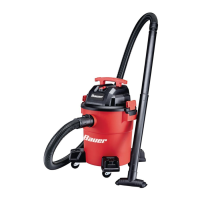
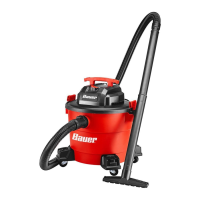
This document is the Owner's Manual & Safety Instructions for the Bauer 6 Gallon Wet Dry Vacuum, model number 1952E-B6. It provides essential information for safe operation, assembly, maintenance, and troubleshooting of the appliance.

Function Description

The Bauer 6 Gallon Wet Dry Vacuum is a versatile electrical appliance designed for both wet and dry vacuuming tasks, and it also functions as a blower. Its primary purpose is to pick up debris, dust, and liquids from various surfaces. For dry vacuuming, it utilizes a filter to capture particulate matter, while for wet vacuuming, the filter is removed to prevent damage and allow for liquid collection. The blower function allows for clearing debris by expelling air through the hose. The appliance is intended for household use only.

Important Technical Specifications

  • Model Number: 1952E-B6
  • Tank Capacity: 6 Gallons
  • Electrical Rating: 120VAC / 60Hz / 8A
  • Insulation: Double-insulated, meaning it has two systems of insulation instead of grounding, and should only be serviced by qualified personnel using identical replacement parts.
  • Cord Length Recommendations: The manual provides a table for recommended minimum wire gauge for extension cords (120 Volt) based on nameplate amperes (at full load) and cord length (25', 50', 100', 150'). For example, for 0-6 amperes, a 25' cord requires 18 gauge, while a 150' cord requires 14 gauge. For 12.1-16 amperes, a 25' cord requires 14 gauge, and longer cords are not recommended ("Do not use").

Usage Features

  • Wet and Dry Vacuuming: The vacuum can be configured for either wet or dry pick-up. For dry vacuuming, a filter is slid over the filter cage and secured with a locking cap. For wet vacuuming, the filter must be removed.
  • Blower Function: The hose can be detached from the vacuum port and attached to the blower port (located on the back of the power head) to convert the unit into a blower.
  • Extension Wands and Nozzles: The vacuum comes with extension wands and a gulper nozzle, which can be added as needed for various cleaning tasks. The casters include storage for the nozzle and wands.
  • Liquid Full Indicator: When wet vacuuming, if the motor sound becomes higher in pitch, it indicates that the tank is full and the float is closing off the motor intake. The user is instructed to immediately turn off the vacuum, unplug it, and empty the tank.
  • Polarized Plug: The appliance has a polarized plug (one blade wider than the other) to reduce the risk of electric shock. It should only be inserted into a polarized outlet, and if it doesn't fit, the plug should be reversed. If it still doesn't fit, a qualified electrician should be contacted.
  • Safety Precautions:
    • Always unplug the appliance when not in use, before servicing, or before performing any setup procedures.
    • Do not expose to rain; store indoors.
    • Do not use with damaged cord or plug.
    • Keep hair, loose clothing, fingers, and all body parts away from openings and moving parts.
    • Do not pick up flammable or combustible liquids, burning or smoking items (cigarettes, matches, hot ashes), or water from containers like sinks or tubs.
    • Ensure hands and feet are dry before touching the plug or switch.
    • Do not immerse the nozzle completely in liquid during wet vacuuming; leave a gap for air inflow.
    • When using as a blower, do not point the hose toward another person or animal.
    • People with pacemakers should consult their physician before use due to potential electromagnetic interference.

Maintenance Features

  • Regular Inspection: Before each use, the appliance should be inspected for loose hardware, misalignment or binding of moving parts, air leakage, cracked or broken parts, damaged electrical wiring, or any other condition affecting safe operation.
  • Filter Cleaning: The filter should be cleaned regularly to ensure proper operation. This involves removing the filter, tapping or shaking it into a waste can, and if needed, flushing it with plain water from the inside. The filter must be allowed to dry for at least 24 hours before replacing it, as installing a wet filter increases the risk of electric shock and can damage the vacuum. Torn filters should be replaced.
  • Post-Use Cleaning and Storage: After use, external surfaces should be wiped with a clean cloth. The tank should be emptied and cleaned. The appliance should be stored indoors in a dry area, out of children's reach.
  • Lubrication: All parts are permanently lubricated, and no additional lubrication is required.
  • Cord Replacement: If the supply cord is damaged, it must be replaced only by a qualified service technician.
  • Servicing Double-Insulated Appliances: Servicing requires extreme care and knowledge of the system and should only be performed by qualified service personnel using identical replacement parts.

Bauer 1952E-B6 Specifications

General IconGeneral
BrandBauer
Model1952E-B6
CategoryVacuum Cleaner
LanguageEnglish

Related product manuals