Need help?
Do you have a question about the Beko 683720 EB and is the answer not in the manual?
Covers safety for users, grounding, electrical connections, and general precautions.
Warns about flammable R600a gas and handling.
Details water pressure limits and installation for water dispensers.
Specifies domestic use, not commercial, and manufacturer responsibility.
Advises on key storage and preventing children from playing with the product.
Explains WEEE compliance and recycling instructions for electrical equipment.
Confirms compliance with RoHS Directive for prohibited materials.
Notes recyclable packaging materials and disposal.
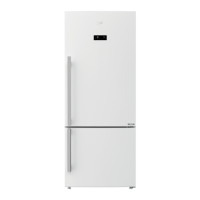
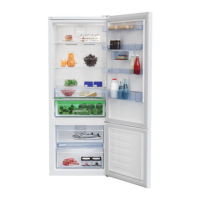
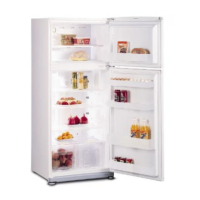
Visual guide identifying key parts of the refrigerator.
Covers placement, clearances, heat sources, and ventilation requirements.
Instructions on using wedges for rear air circulation.
How to adjust the appliance's feet for stability.
Rules for connecting the power cord, grounding, and avoiding extension cords.
Tips for optimizing energy efficiency and product usage.
Steps for initial setup, running without food, and normal operating noises.
Explains the functions of various indicators and symbols on the control panel.
How to adjust the temperature for the cooler compartment.
How to activate and deactivate vacation mode for energy saving.
How to silence temperature or fault alarms.
How to activate/deactivate the control panel lock.
How to activate the economical operating mode.
How to adjust the temperature for the freezer compartment.
Indicates the status of the ice maker.
Controls quick freezing and ice maker operation.
Shows when the product is operating energy efficiently.
Instructions for using the ice machine feature.
Instructions for using the icematic feature to make ice.
Instructions for using the ice tray to make ice.
Explains the function of the blue light in crispers for freshness.
Describes the deodorizer system for eliminating odors.
Usage of the chiller compartment for specific food types.
How to use the crisper for maintaining vegetable freshness.
Step-by-step guide to operating the water dispenser.
Instructions for filling the water tank.
How to clean the water tank and its components.
How to clean the drip tray for the water dispenser.
Explains the humidity control system for the crisper.
Guidelines for freezing food quickly and properly.
Best practices for storing frozen food.
Technical standards for freezing capacity.
Recommended placement of food in different compartments.
Explains the audible warning for an open door.
Information about the LED illumination lamps.
Tips to prevent unpleasant smells inside the refrigerator.
How to protect internal plastic parts from damage.
Instructions for cleaning the interior and removable parts.
How to clean and polish stainless steel exteriors.
Care instructions for glass doors, including coating and safety film.
Common issues when the appliance does not turn on.
Explains causes and solutions for condensation on side walls.
Troubleshooting steps for when the compressor is not running.
Addresses increased noise levels during operation.
Reasons why the appliance runs for extended periods.
Diagnosing and fixing low freezer temperatures.
Diagnosing and fixing low fridge temperatures.
Addressing accidental freezing of food in the fridge.
Troubleshooting high temperatures in compartments.
Explains normal operating noises and how to resolve vibrations.
Clarifies that whistling sounds are normal.
Explains condensation and dampness inside.
Addresses external condensation.
Solutions for eliminating bad odors.
Reasons why the refrigerator door may not close properly.
How to resolve issues with stuck crispers.
Explains normal heat on product surfaces.
Explains why the fan operates with the door open.
 General
| Appliance placement | Freestanding |
|---|---|
| Fridge interior light | Yes |
| Lamp type | LED |
| Number of shelves/baskets in fridge | 3 |
| Door balconies | Yes |
| Egg balcony | Yes |
| Bottle rack | Yes |
| Ice cube tray | Yes |
| Noise Level | 39 dB |
| Number of Shelves | 3 |
| Climate Class | SN, N, ST, T |


 To Next Page