EasyManua.ls Logo

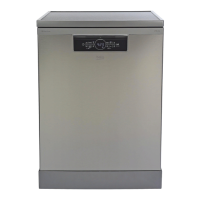
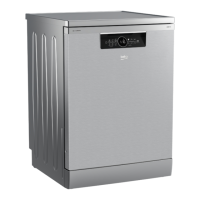
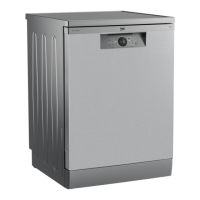
Beko BDFN36650CX - User Manual

Beko BDFN36650CX
54 pages
Print Icon
To Next Page IconTo Next Page
Loading...
Dishwasher
User’s Manual
15 8678 0100_AB_BEKO_B8L_EN/ 09-08-22.(12:53)
BDFN36650CX

Table of Contents

Questions and Answers

  • J
    Janet RayAug 6, 2025
    Why Beko BDFN36650CX Dishwasher machine does not start?
    • D
      Derek TaylorAug 6, 2025
      Your Beko Dishwasher might not be starting due to several reasons. First, ensure the power cable is properly plugged in. Check the fuses in your house to see if any have blown. Verify that the water inlet tap is open and that the dishwasher door is fully closed. Also, confirm that you've pressed the On/Off button to turn on the machine.
  • M
    Meredith MoralesAug 10, 2025
    Why Beko Dishwasher leaves dishes not dry after cycle?
    • T
      Tracy DanielsAug 10, 2025
      If your Beko Dishwasher leaves dishes wet after the cycle, consider these points: * Ensure dishes are placed so water doesn't accumulate. * Check and replenish rinse aid, adjusting the setting if necessary. * Avoid unloading immediately after the cycle; slightly open the door to let steam escape and wait for dishes to cool before unloading from the lower basket first. * Select a longer program for better drying. * Note that deteriorated kitchen utensils may not dry well and aren't recommended for dishwasher use.
  • J
    johnsonkeithAug 14, 2025
    What to do if Beko Dishwasher dishes are not washed clean?
    • D
      Dakota BrownAug 14, 2025
      If your Beko Dishwasher isn't cleaning dishes properly, several factors could be at play. Ensure dishes are loaded correctly as described in the user manual. Select a program with a higher temperature and longer cycle time. Check that the impellers rotate freely and that the impeller holes and filters are not clogged. Also, make sure filters are installed correctly and baskets are not overloaded. Store detergent properly, use sufficient detergent and rinse aid, and ensure the detergent dispenser lid is closed tightly.
  • C
    Christopher ValdezAug 18, 2025
    What to do if detergent remains in Beko BDFN36650CX dispenser?
    • T
      Terri AcostaAug 18, 2025
      If detergent remains in the dispenser of your Beko Dishwasher, ensure the dispenser is dry before adding detergent and add detergent shortly before starting the wash. Arrange dishes so they don't block the dispenser lid from opening or water from the impellers from entering. Store powder detergent properly, away from humidity, and consider using tablet detergents. Also, check the impeller holes for clogs and clean them regularly.
  • S
    Sandra SmithAug 22, 2025
    What to do if Beko Dishwasher leaves lime traces on dishes?
    • M
      Michael WhiteAug 23, 2025
      If you notice lime traces on your dishes or a misty appearance on glassware in your Beko Dishwasher, it could be due to a few reasons. Check the rinse aid indicator and add rinse aid if needed, or increase the rinse aid setting. Also, measure the hardness of your water supply and check the water hardness setting on your dishwasher. Be careful not to spill salt when filling and ensure the salt reservoir lid is tightly closed. Run a prewash cycle to remove any spilled salt.
  • C
    christine06Aug 27, 2025
    What to do if Beko Dishwasher has a different odour?
    • J
      jennifer28Aug 27, 2025
      A new Beko dishwasher may have a peculiar odour that fades after a few washes. If the odour persists, check if the filter system is clean. Also, if you're not running the dishwasher immediately after loading, remove food remnants and run the prewash program every 2 days. Leave the door slightly open to prevent odour buildup. You can also use commercial odour removers or machine cleaners.
  • J
    Jamie SmithAug 31, 2025
    Why Beko Dishwasher leaves rust, discoloration on dishes?
    • C
      Cassandra WebbSep 1, 2025
      Rust, discoloration, or surface deterioration on dishes in your Beko Dishwasher can occur due to several reasons. Salt leakage can cause deterioration, so be careful when filling the salt reservoir, close the lid tightly, and run a prewash cycle. Remove salty food remnants before loading. Ensure the electrical installation is grounded to prevent static electricity. Avoid using intensive cleansers like bleach. Don't use metal items for unintended purposes. Low-quality stainless steel cutlery and already corroded items should not be washed in the dishwasher.

Summary

SAFETY INSTRUCTIONS

Safety for children, vulnerable persons and pets

Details safety precautions for children and pets around the appliance.

Electrical safety

Covers electrical safety precautions, plug access, and cable handling.

Installation Safety

Outlines critical safety measures for installation, including location and electrical connections.

Operational safety

Lists safety rules for operating the dishwasher, including detergent use and loading.

Maintenance and cleaning safety

Safety guidelines for cleaning and maintenance procedures.

INSTALLATION

Appropriate installation location

Guidelines for selecting a suitable installation site for the dishwasher.

Connecting water supply

Instructions for connecting the water supply hose and pressure requirements.

Connection to the drain

Details on how to connect the dishwasher's drain hose to the sewage system.

Electrical connection

Instructions for making the electrical connection safely, including grounding.

PREPARATION

Adding salt

Step-by-step guide on how to fill the salt reservoir.

Loading the dishwasher correctly

Guidance on how to load dishes for optimal washing and drying.

OPERATING THE PRODUCT

Machine Preparation and Program Selection

Steps to prepare the machine and select a wash program.

Program Management and Indicators

Starting, cancelling programs, and understanding salt/rinse aid indicators.

MAINTENANCE AND CLEANING

Cleaning the filters

Step-by-step guide to cleaning the micro and coarse filter system.

TROUBLESHOOTING

Machine does not start

Common reasons and checks for when the machine won't start.

Dishes are not washed clean

Explains why dishes might not be clean and provides solutions.

Dishes are not dry at the end of cycle

Reasons for poor drying and how to improve it.

Beko BDFN36650CX Specifications

General IconGeneral
Motor typeBrushless
Noise level43 dB
Drying systemActive ventilation
Delay start (max)24 h
Overflow protectionYes
Dishwashing programsAuto, Download Cycle, Eco, Intensive, Mini, Quick&Shine, Steam
Number of place settings16 place settings
Tablet detergent functionNo
Number of washing programs11
Maximum water flow pressure1000 kPa
Minimum water flow pressure300 kPa
Number of temperature settings5
Cycle time (quick washing program)30 min
Current13 A
Connected load1800 W
AC input voltage220 - 240 V
AC input frequency50 Hz
Connected load (max)2100 W
Water consumption per cycle9.5 L
Energy consumption per cycle0.664 kWh
Water fillCold
Control typeTouch
Display typeLCD
Tub materialStainless steel
Hose diameter16 mm
Upper basket rackFoldable
Outlet hose length1.3 m
Appliance placementFreestanding
Cutlery compartment typeBasket
Upper basket rack(s) quantity3
Maximum dish size (lower basket)29.5 mm
Maximum dish size (upper basket)18.5 mm
Feet adjustment15 mm
Package depth661 mm
Package width644 mm
Package height889 mm
Package weight55100 g
Wood packaging weight450 g
Metal packaging weight12 g
Paper packaging weight700 g
Plastic packaging weight205 g
Harmonized System (HS) code84221100
Expanded Polystyrene (EPS) packaging weight530 g
Washing classA
Required toolsStandard tool box
Weight and Dimensions IconWeight and Dimensions
Depth600 mm
Width598 mm
Height850 mm
Weight53000 g
Depth with door open1150 mm
Height under worktop820 mm

Related product manuals