EasyManua.ls Logo

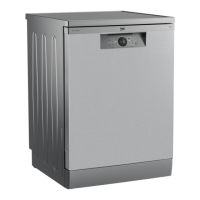
Beko BDFN26440 - User Manual

Beko BDFN26440
47 pages
Print Icon
To Next Page IconTo Next Page
Loading...
Dishwasher
User’s Manual
15 7744 0100_AA_BEKO_B7L_EN/ 21-03-23.(15:17)
BDFN26440W

Table of Contents

Questions and Answers

  • C
    Cynthia WilliamsAug 18, 2025
    Why Beko Dishwasher doesn't start?
    • L
      leeangelaAug 18, 2025
      Your Beko dishwasher might not be starting due to several reasons. Ensure the power cable is plugged in, check the fuses in your house, and verify that the water inlet tap is open. Also, confirm that the dishwasher door is fully closed and that you have pressed the On/Off button to turn on the machine.
  • L
    Luis GomezAug 20, 2025
    What to do if Beko Dishwasher dishes are not washed clean?
    • T
      Tammy SanchezAug 20, 2025
      If your Beko dishwasher isn't cleaning dishes effectively, several factors could be at play. Make sure dishes are loaded correctly as described in the user manual. Select a program with a higher temperature and cycle time. Ensure the impellers rotate freely and aren't blocked, and that the impeller holes aren't clogged with food. Check that the filter system is clean and correctly installed. Avoid overloading the baskets. Store powder detergent properly in a closed container away from humidity, or use tablet detergents. Use sufficient detergent and rinse aid, and ensure the detergent dispenser lid is closed tightly.
  • M
    Marcus HubbardAug 23, 2025
    What to do if Beko BDFN26440 Dishwasher dishes are not dry?
    • R
      Robert EdwardsAug 23, 2025
      If your Beko dishwasher leaves dishes wet, ensure dishes are placed so water doesn't accumulate. Check and refill the rinse aid, increasing the setting if needed. Avoid unloading immediately after the cycle; slightly open the door to let steam escape, and wait for dishes to cool before unloading from the lower basket first. Select programs with longer durations for better drying. Note that kitchen utensils with deteriorated surfaces may not dry well and aren't recommended for dishwasher use.
  • J
    Jennifer MurrayAug 26, 2025
    What to do if Beko Dishwasher has water remaining?
    • H
      hughesamberAug 26, 2025
      If water remains in your Beko dishwasher at the end of the program, check if the filter system is clean and clean it regularly. Also, inspect the discharge hose for clogs or blockages; remove the hose to clear any obstructions and reinsert it.
  • C
    Charles MckayAug 28, 2025
    What to do if Beko BDFN26440 has lime traces on dishes?
    • G
      Gregg TuckerAug 28, 2025
      If lime traces are appearing on your dishes and glassware looks misty, check the rinse aid indicator and add rinse aid if necessary, increasing the rinse aid setting if there is enough amount of rinse aid in the machine. Also, measure the hardness of the supply water appropriately and check the water hardness setting. Be careful not to spill salt when filling and ensure the salt reservoir lid is tightly closed. Run the prewash program to remove any spilled salt.
  • E
    Erin BradfordAug 30, 2025
    Why Beko BDFN26440 Dishwasher detergent remains in dispenser?
    • G
      Gabrielle ShieldsAug 30, 2025
      If detergent remains in the dispenser of your Beko dishwasher, ensure the dispenser is dry before adding detergent and add detergent shortly before starting the wash. Make sure dishes aren't blocking the dispenser lid from opening or water from the impellers from entering. Store powder detergent in a closed container away from humidity, or use tablets. Clean the impeller holes regularly to prevent clogs from food remnants.
  • P
    powelljacobSep 2, 2025
    Why Beko Dishwasher leaves tea stains on dishes?
    • A
      ashley22Sep 2, 2025
      If tea, coffee, or lipstick stains persist on dishes after a Beko dishwasher cycle, it might be due to selecting an unsuitable program; try one with a higher temperature and longer cycle time. Stains may also be difficult to remove from kitchen utensils with deteriorated surfaces, which are not recommended for dishwasher use. Ensure that if you are using powder detergent, you are not storing the detergent package in humid places; keep it in a closed container if possible, or consider using tablet detergents.
  • T
    Tyler BuckSep 4, 2025
    How to prevent rust on Beko BDFN26440 Dishwasher dishes?
    • S
      Shawn AdamsSep 4, 2025
      To prevent rust, discoloration, or surface deterioration on dishes in your Beko dishwasher, avoid spilling salt when filling and ensure the salt reservoir lid is tightly closed; run a prewash cycle to remove any spillage. Promptly prewash or wash cutlery soiled with salty food remnants. Ensure your electrical installation is properly grounded. Do not use intensive cleansers like bleach. Use metal items only for their intended purpose. Be aware that low-quality stainless steel cutlery and already corroded items are not suitable for dishwashers.
  • R
    Rhonda MorrisSep 7, 2025
    How to get rid of odour in Beko BDFN26440?
    • V
      vhernandezSep 7, 2025
      If there is a different odour in your Beko dishwasher, check if the filter system is clean and clean the filter system regularly. If you're not starting the machine immediately after loading dishes, remove food remnants and run the prewash program without detergent every two days.
  • F
    fernandokochSep 9, 2025
    How to prevent scratches on Beko BDFN26440 dishes?
    • M
      Morgan CarterSep 9, 2025
      To prevent scratches on dishes in your Beko dishwasher, do not wash kitchen utensils that contain or are made of aluminum. Be careful not to spill salt around the filling hole, as spilled salt can cause scratches. Ensure the water hardness setting is correct and the salt level is sufficient. Place glasses and glassware so they lean against the edges or racks of the basket, or use the glass support tines, rather than against other dishes.

Summary

Safety Instructions

Electrical safety

Guidelines for safe electrical connections, plug usage, and cable handling.

Installation safety

Precautions for safe installation, including location, temperature, and connections.

Operational safety

Rules for safe use, including handling detergents, opening doors, and loading.

Maintenance and cleaning safety

Safety measures during cleaning and maintenance procedures.

Dishwasher Preparation and Loading

Water softening system

How the system works and the importance of water hardness.

Adding detergent and rinse aid

Instructions for adding detergent, types, and rinse aid usage.

Placing dishes into the dishwasher

Best practices for loading dishes for optimal cleaning and drying.

Dishwasher Operation

Program selection and controls

How to select and start washing programs and use control buttons.

Auxiliary functions

Explanation of additional features to enhance washing performance and efficiency.

SelfDry and child lock

Features for automatic door opening and preventing unintended changes.

Starting, cancelling, and warnings

Procedures for starting, stopping programs, and understanding indicator lights.

Dishwasher Maintenance and Troubleshooting

Cleaning filters and impellers

Steps for cleaning essential components to maintain machine efficiency.

Troubleshooting: Machine issues

Solutions for common problems like the machine not starting or not cleaning.

Troubleshooting: Dish quality issues

Advice for resolving problems with dish cleanliness and appearance.

Guarantee and Service

Manufacturer guarantee terms

Details on warranty coverage, exclusions, and conditions.

Obtaining service and support

How to get help, book repairs, and contact customer service.

Beko BDFN26440 Specifications

General IconGeneral
ModelBDFN26440
TypeFreestanding
Capacity14 Place Settings
Energy Efficiency ClassA++
Noise Level44 dB
Number of Programs6
Water Consumption per Cycle9.5 Liters
Half Load OptionYes
Delay StartYes, up to 24 hours
Dimensions (H x W x D)85 x 60 x 60 cm

Related product manuals