EasyManua.ls Logo

Beko QWIK-PURE 15 - User Manual

Beko QWIK-PURE 15
124 pages
Print Icon
To Next Page IconTo Next Page
Loading...
EN
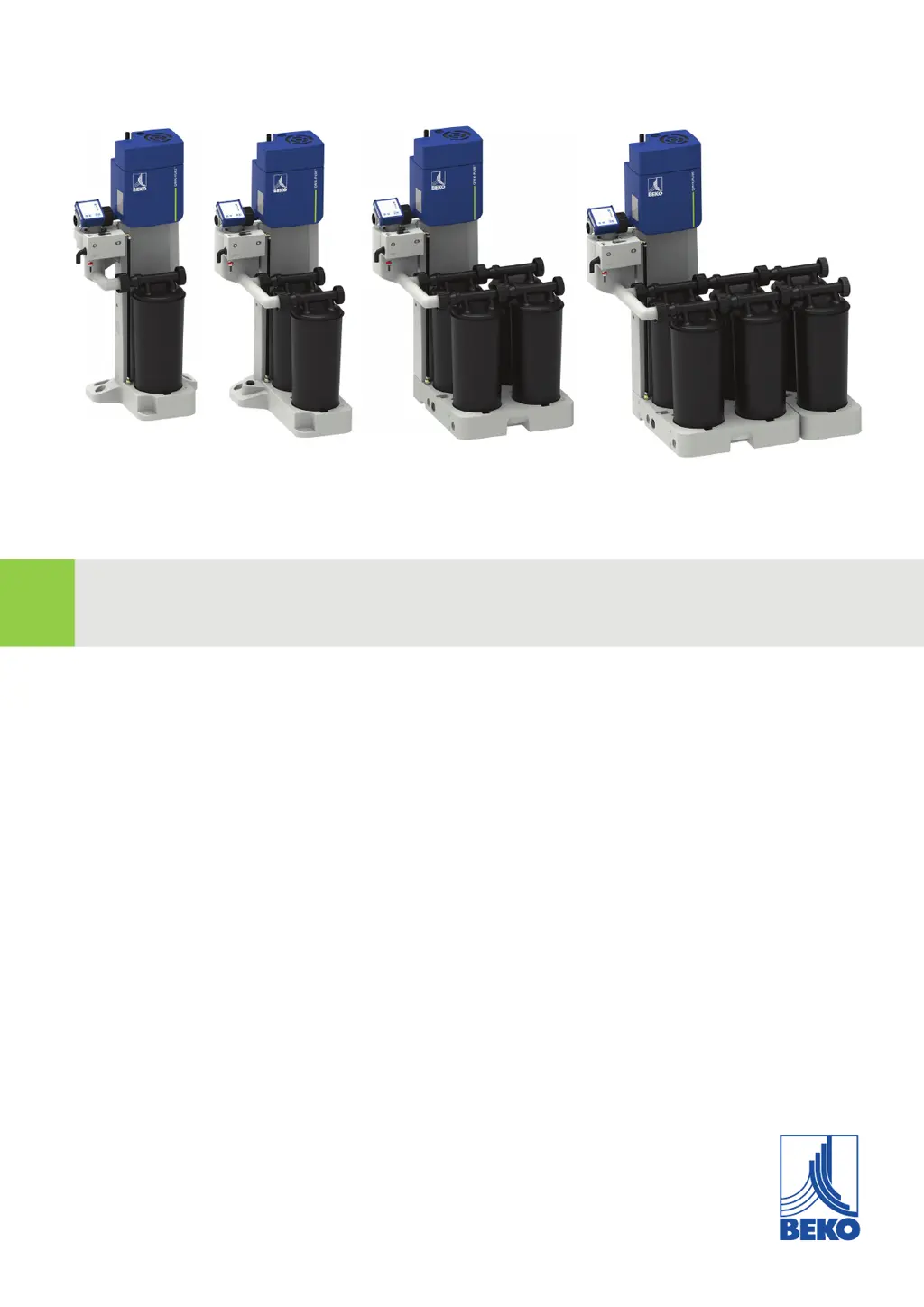
QWIK‑PURE
®
02-530
Original installation and operation manual
> 15
> 30
> 60
> 90

Table of Contents

Questions and Answers

  • F
    Frank RobbinsAug 19, 2025
    Why does the High Level sensor remain covered too long on my Beko Water System?
    • R
      Ryan FergusonAug 19, 2025
      If the High Level (HL) sensor remains covered for too long after a discharge process has started on your Beko Water System, it could be due to several reasons. The FRC sensors might be soiled, so they require cleaning. Ensure that the compressed air supply is switched on and that the compressed air operating pressure is within the correct range. If the filling level is too high, reduce it by manually starting a discharge operation. Clogged filter cartridges may also be the cause, in which case they should be replaced. A piston malfunction or a clogged riser duct could also be responsible; the piston should be removed and checked, and the riser duct should be cleaned or replaced.
  • T
    Tyler DominguezAug 21, 2025
    What to do if the High Level Alarm sensor stays covered too long on a Beko Water System?
    • R
      Ronald GuzmanAug 21, 2025
      If the High Level Alarm (HLA) sensor remains covered for too long after a discharge process has started on your Beko Water System, several factors could be responsible. Start by checking if the FRC sensors are soiled and clean them if necessary. Ensure that the compressed air supply is active and that the operating pressure is within the correct range. If the filling level is excessively high, reduce it by initiating a manual discharge. Also, inspect the filter cartridges for clogging and replace them if needed. Finally, a malfunctioning piston or a clogged riser duct could be the cause; the piston should be removed and inspected, and the riser duct should be cleaned or replaced.
  • A
    Andrew StewartAug 23, 2025
    How to fix a Beko Water System when the High Level sensor remains covered too long?
    • J
      joshua33Aug 23, 2025
      If the High Level (HL) sensor remains covered for too long after a discharge process has started on your Beko Water System, there are several potential causes. Check if the FRC sensors are soiled and clean them if necessary. Ensure that the compressed air supply is turned on and that the compressed air operating pressure is within the correct range. If the filling level is far above the sensor after starting FRC, reduce it by manually starting a discharge operation. Also, check if the filter cartridges are clogged and replace them if needed. Lastly, a piston malfunction or a clogged riser duct could be the issue; remove and inspect the piston, and clean or replace the riser duct.
  • B
    Bryan RandallAug 26, 2025
    What causes both High Level sensors to remain covered too long on a Beko Water System?
    • E
      Erica JordanAug 26, 2025
      If the High Level Alarm (HLA) and High Level (HL) sensors remain covered for too long after a discharge process on your Beko Water System, several issues could be the cause. Start by checking and cleaning the FRC sensors if they are soiled. Ensure that the compressed air supply is on and that the operating pressure is within the correct range. If the filling level is too high, reduce it by manually starting a discharge operation. Also, inspect the filter cartridges for clogging and replace them if necessary. Lastly, a malfunctioning piston or a clogged riser duct could be the problem; remove and check the piston, and clean or replace the riser duct.
  • Y
    ywalshAug 27, 2025
    Why does the High Level Alarm sensor stay covered too long in my Beko Water System?
    • S
      Samantha RowlandAug 27, 2025
      If the High Level Alarm (HLA) sensor remains covered for too long after a discharge process has started on your Beko Water System, consider these possible causes. Begin by checking and cleaning the FRC sensors if they are soiled. Ensure the compressed air supply is active and that the compressed air operating pressure is within the correct range. If the filling level is too high, reduce it by manually starting a discharge operation. Also, verify if the filter cartridges are clogged and replace them if needed. Finally, a malfunctioning piston or a clogged riser duct may be the issue; remove and inspect the piston, and clean or replace the riser duct.
  • J
    Joel GregoryAug 29, 2025
    How do I troubleshoot High Level sensor issues on my Beko Water System?
    • A
      Amanda WheelerAug 30, 2025
      If the High Level (HL) and High Level Alarm (HLA) sensors remain covered for too long after a discharge process has started on your Beko Water System, several factors may be responsible. Start by checking if the FRC sensors are soiled and clean them if needed. Make sure that the compressed air supply is on and the operating pressure is within the correct range. If the filling level is far above the sensor, reduce it by manually starting a discharge operation. Also, check for clogged filter cartridges and replace them if necessary. Finally, a piston malfunction or a clogged riser duct could be the cause; remove and inspect the piston, and clean or replace the riser duct.
  • M
    Mrs. Carol HunterSep 3, 2025
    What causes high oil quantity and LL sensor issues in a Beko Water System?
    • A
      atkinszacharySep 3, 2025
      If the oil quantity in the measuring chamber of your Beko Water System is permanently too high and the Low Level (LL) sensor remains covered for too long after a discharge process, several factors may be responsible. The filter cartridges might be saturated and unable to absorb more oil, so you should replace them. Additionally, check if the FRC sensors are soiled and clean them if necessary. Ensure that the pressure is within the correct range. If the pressure drops during discharge, check the compressed air volume. Furthermore, clogged filter cartridges, a piston malfunction, or a clogged riser duct could be contributing to the problem; replace the filter cartridges, remove and inspect the piston, and clean or replace the riser duct as needed.
  • R
    Ronnie BenderSep 5, 2025
    Why does the Low Level sensor remain covered too long on my Beko Water System?
    • T
      Tyler SchultzSep 5, 2025
      If the Low Level (LL) sensor remains covered for too long after a discharge process has started on your Beko Water System, several factors could be responsible. Start by checking if the FRC sensors are soiled and clean them. Also, ensure that the compressed air operating pressure is within the correct range. If the minimum compressed air operating pressure is being fallen below during operation, check the compressed air volume. Additionally, check if the filter cartridges are clogged and replace them if needed. Finally, a piston malfunction or a clogged riser duct could be the cause; remove and check the PISTON Service Unit, and clean or replace the riser duct.
  • R
    roger91Sep 7, 2025
    What causes permanently high oil quantity in my Beko Water System?
    • K
      Kathleen RomeroSep 7, 2025
      If the oil quantity in the measuring chamber of your Beko Water System is permanently too high, it could be due to: * Filter cartridges that can no longer absorb oil, requiring replacement. * A very high quantity of oil constantly in the measuring chamber due to a large oil inflow (e.g., oil leaking), in which case you should check oil content in inlet.
  • M
    mgarnerSep 9, 2025
    Why does the Low Level sensor become free too quickly on my Beko Water System?
    • R
      Rebekah MullenSep 9, 2025
      If the Low Level (LL) sensor becomes free too quickly during discharge in your Beko Water System, it could be due to: * Soiled FRC sensors, which require cleaning. * Excessively high compressed air operating pressure, which requires selecting the correct pressure range. * SOLENOID VALVES Service Unit malfunction (e.g., due to contaminated compressed air), which requires removing the SOLENOID VALVES Service Unit and checking if it is working properly. * A defective piston assembly, which requires removing the PISTON Service Unit and checking if it is working properly.

Summary

Safety

System Usage Guidelines

Defines the proper application and usage guidelines for the QWIK-PURE® system.

Prohibited Usage Scenarios

Outlines non-intended uses and potential hazards.

Operator Responsibilities

Details the duties of the operating company for safe system management.

Personnel Qualifications and Roles

Identifies qualified personnel for operation and maintenance.

Safety Symbol Reference

Clarifies the meaning of safety symbols used in the manual.

General Safety Precautions

Provides overarching safety guidelines for product handling.

Warning Signal Definitions

Defines hazard levels and associated consequences for warnings.

Product Information

Technical Data

Assembly

Electrical Installation

Electrical Installation Hazards

Warnings related to electrical hazards and proper installation practices.

Electrical and Data Connection Steps

Prerequisites and steps for electrical and Modbus connections.

Commissioning

Commissioning Safety Guidelines

Warnings about operating limits, system pressure, voltage, and personnel.

Operation

Maintenance

Maintenance Hazard Warnings

Critical safety notices for maintenance tasks.

Scheduled Maintenance Tasks

Table outlining routine maintenance tasks and intervals.

Maintenance Task Instructions

Detailed instructions for performing maintenance on the unit.

Condensate Quality Testing

Procedure for testing the quality of the treated condensate.

Filter Cartridge Replacement Guide

Step-by-step guide for changing used filter cartridges.

Solenoid Valve Replacement

Instructions for replacing the solenoid valve service unit.

Piston Service Unit Replacement

Procedure for replacing the piston service unit.

Unit Cleaning Procedures

Guidelines for cleaning various components of the system.

Inspection for Damage and Leaks

How to inspect the unit for mechanical damage and leaks.

System Leak Testing

Method for verifying the system's integrity for leaks.

Decommissioning

Disassembly

Troubleshooting Guide

Beko QWIK-PURE 15 Specifications

General IconGeneral
BrandBeko
ModelQWIK-PURE 15
CategoryWater System
LanguageEnglish