14
5049-744
To protect the fuel system from gum formation, mix in a fuel stabilizer when adding
fuel. See “Storage”. All fuel is not the same. If you experience starting or performance
problems after using fuel, switch to a different fuel provider or change brands, This
engine is certified to operate on gasoline. The emission control system for the engine
is EM (Engine Modifications).
A
B
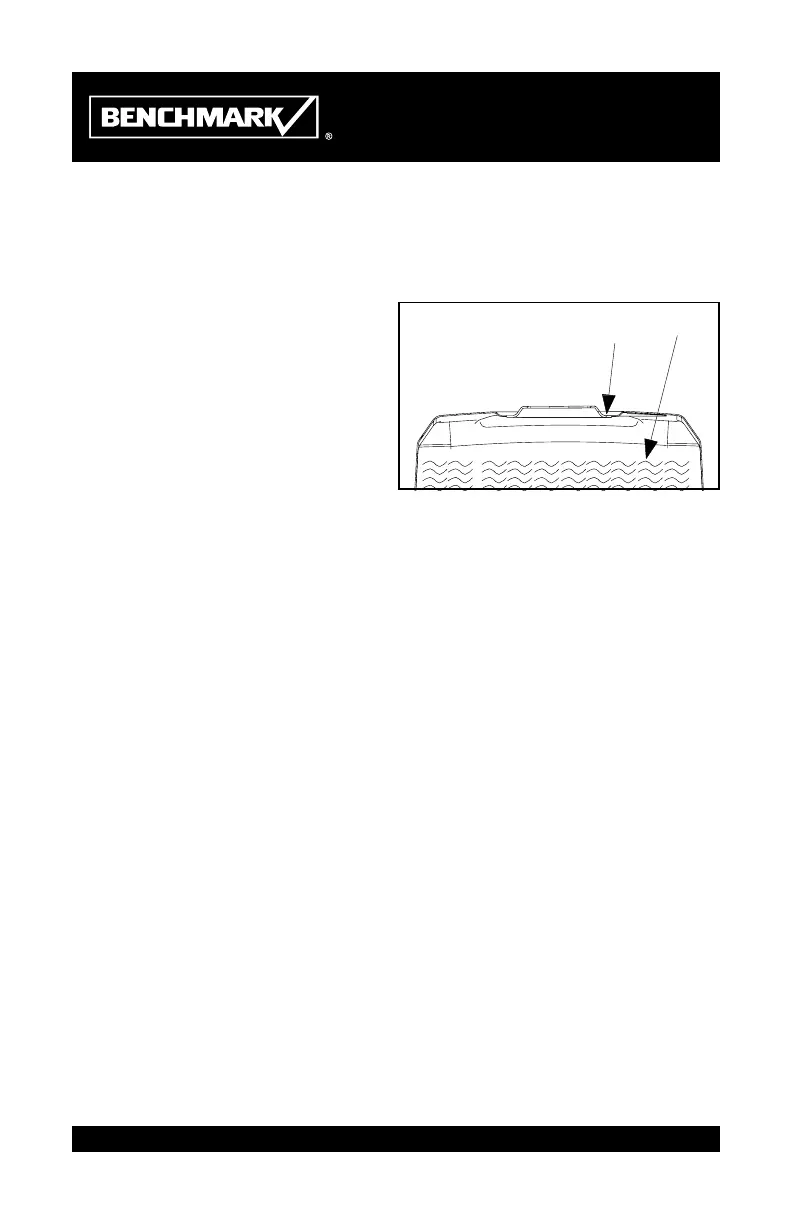
1. Clean area around fuel fill cap, remove
cap.
2. Slowly add regular unleaded fuel (A)
to fuel tank (B). Be careful not to overfill.
To allow for fuel expansion, do not fill
above the bottom of the fuel tank neck.
3. Install fuel cap and wipe off the spilled
fuel.
CAUTION! Alcohol-blended fuels (called
gasohol, ethanol or methanol) can attract moisture, which leads to separation and for
-
mation of acids during storage. Acidic gas can damage the fuel system of an engine
while in storage.
To avoid engine problems, the fuel system should be treated with fuel preserver or
emptied before storage of 30 days or longer. If adding a fuel preserver, fill the fuel tank
with fresh fuel. If only partially filled, air in the tank will promote fuel deterioration
during storage. If fuel preserver is not used, drain the fuel tank, start the engine and
let it run until the fuel lines and carburetor are empty. Use fresh fuel next season. See
“Storage” for additional information.
NEVER use engine or carburetor cleaner products in the fuel tank as permanent damage
may occur.
HIGH ALTITUDE
At altitude over 5,000 ft. (1524 m), a minimum 85 octane / 85 AKI (89 RON) gasoline
is acceptable. To remain emission compliant, high altitude adjustment is required.
Operation without this adjustment will cause decreased performance, increased fuel
consumption, and increased emissions. Operation of the engine at altitudes below
2,500ft (762m) with the high altitude kit is not recommended.
5.LUBRICATE O-RINGS
Lubrication of O-rings is extremely important for installation and operation. The use of
lubricant (petroleum or synthetic grease) during assembly helps seat O-rings properly and
provides and improved seal. It also helps protect the O-rings from damage by abrasion,
pinching or cutting and extends the life of the O-rings.
NOTICE: ALWAYS apply a small amount of lubricant on o-rings prior to assembling the
garden hose to the pump (C), high pressure hose (D), spray gun (E), and spray wand (F).
Lubricate all connections shown below, following these instructions:



 To Next Page