98
5. From the inside of the rail, insert the cone, small end first, into the
gap between the mattress and the lower edge, between the rail
supports. Let the cone compress the mattress. Do not force the
cone into the area.
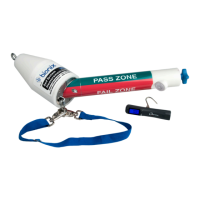
6. Attach the spring scale to the loop on the cone.
7. Pull on the spring scale with 12 lbs of force at any angle that
increases the chances of the cone going through the space. Use
care when pulling. If the tool suddenly pulls through the opening,
you may lose your balance and fall, or the tool may fall on you.
Observe whether the large end of the cone passes through the
opening. - Repeat test on all Rails
8. Record the results on the data sheet.
Interpret Test 2 Results:
If the large end of the cone does not pass through the opening,
this space passes the test (figure 6a).
If the large end of the cone does pass through the opening,
this space fails the test (figure 6b).
If a test is a close call, and you have trouble deciding whether
the bed system passes or fails, make your best decision and
mark the result with an asterisk (*) next to your answer to
show that it was a close call.
Repeat Test 2:
On the same rail: If the rail has intermediate locking positions,
do the test for every intermediate position. On the other rails: Do
the test for all other rails on the bed, including intermediate and
raised positions.
Figure 6a.
Pass, large end
of cone does not
pass through rail
opening.
Figure 6b.
Fail, large end
of cone does
pass through
rail opening.
Zone 3: Potential head entrapment between the
edge of the mattress and the inside of the rail.
The tools needed for this test include the cone with safety strap.
Prepare for Test 3:
1. Lock the wheels.
2. Put the bed in the flat, horizontal position.
3. Fully raise all bed rails.
4. Put the bed at a comfortable working height position.
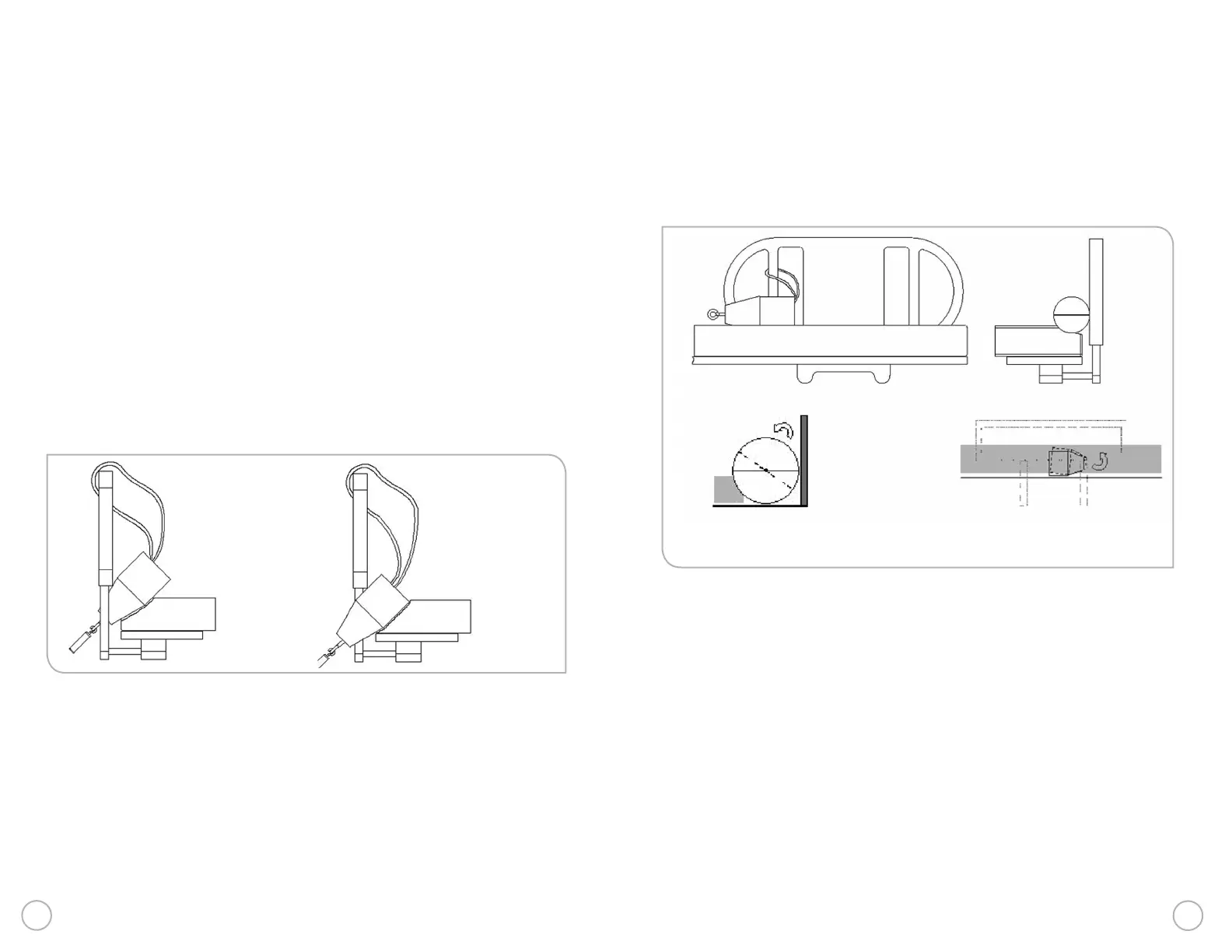
Figure 7a: Test 3, between mattress and inside of rail.
Figure 7b: Test 3,
turning the cone.
Figure 7c: Test 3,
tilting cone.
Do Test 3:
1. Firmly push the mattress away from the rail being measured until
it stops.
2. Put the cone near the rail being tested and attach the safety strap.
Make sure the strap is short enough to prevent the
tool from injuring your feet if it falls.
3. Put the cone horizontally in the gap. Do not push the tool down
into the gap (figure 7a).
4. Turn the cone until the line on the end is horizontal (figure 7b).
5. Let the cone sink into the space by its own weight. If the cone is
tilted, use one hand to gently level it (figure 7c). Do not push the
tool down into the gap. Note: If a mattress stop, rail support, or
other structure keeps the cone from sinking in the gap, put the
cone tool at a different location along the rail where there is no
interference.


 To Next Page
 Loading...