RL39 - Repair instructions for changing the frame
Version 1.0, last revised 03/2016
2/58
Item number (Retailworld)
2 x box wrench/open end wrench, size 10
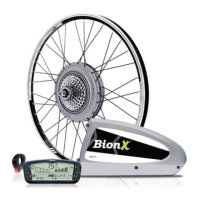
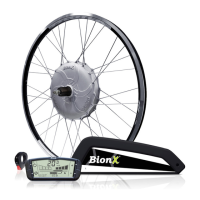
BionX Interface Box (BIB)
Torque Vario 22 Nm, 35 Nm, 39 Nm
Inner bearing shell assembly tool set
Inner bearing assembly press
Inner bearing assembly tool
Allen wrench, size 2.5, size 5, size 6
Cable tie or tensioning strap
Adhesive tape approx. 10 mm wide
Cross head screwdriver tip 1
PC with BBI software installed and Internet access
Box/open end wrench, size 8, size 15, size 22
Screwdriver with broad tip
Aluminum welding rod 2.4mm x 1000mm
T20 Torx wrench, T25 Torx wrench, T30 Torx wrench
Always remove the battery from the frame before performing repair and maintenance work on electrical components
and on the rear wheel.
The basic requirement for proper and low-wear operation of the belt drive is a correctly adjusted belt tension.
If the tension of the belt is too low and the load too high, the belt can skip on the teeth of the rear belt pulley.
Under certain circumstances this can cause damage to the carbon fiber elements, resulting in irreparable
damage to the belt. If the belt has skipped, it should be replaced preemptively to minimize the risk of the belt
breaking during operation.
If the tension of the belt is too high, bearings and seals inside the rear wheel hub could be damaged. Also, the
system will operate with noticeable resistance and will wear out more quickly.
The carbon fibers can withstand high tensile forces, but they are sensitive to bending loads, shearing forces, nicks
and impacts. Even though the carbon fibers in the belt are sheathed, the utmost care is necessary when handling
the Carbon Drive. All the points listed below can cause damage to the carbon fibers inside the drive belt. A drive
belt which has been damaged in this way could snap suddenly and unexpectedly under load while cycling. On no
account should a damaged drive belt be reused.


 To Next Page
 Loading...