2
Safety Precautions:
• Always wear protective clothing (gloves, goggles).
• Avoid breathing insecticide fog or vapors.
• Always pre-heat your fogger for at least 2 minutes while keeping the
fogger level to the ground. Failure to pre-heat may clog the burner orifice
causing damage to the unit.
• Use only Black Flag® Fogging Insecticide or Burgess Bug Killer
Insect Fog. Your Black Flag® Bug Fogger is designed to be used with
these insecticides only. The use of other insecticides or chemicals may
damage your fogger and could result in unsafe conditions thereby voiding
the warranty.
• Always operate your fogger in an upright position. Never turn the unit
upside down.
• Do not over tighten the fuel valve. Your fogger will continue to burn for a
short while (up to 1 minute) after the valve is turned off. Over tightening
may cause damage to your fogger.
• Always inspect the threaded outlet of the propane fuel cylinder and
remove any dirt that may be there. Improper attachment of the propane
gas cylinder to the fogger may result in a gas leak. Care must be taken
not to cross thread when attaching the cylinder into the valve.
• Operate the fogger only in well ventilated areas. DO NOT USE INDOORS
or within any enclosed structure. Always keep the fogger away from
flammable materials. Do not smoke while filling and/or operating the unit.
Do not fog near uncovered foods, cooking or eating utensils, or open fires.
Contamination, fire, or explosion could occur.
• Do not operate the fogger in areas where people and pets are present.
Keep the fogger, propane cylinder, and insecticide out of the reach of
children.
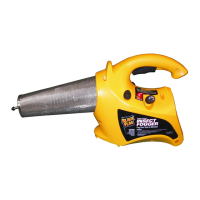
• Keep your face, hands, and clothing away from the mesh burner cover at
all times. The mesh burner cover becomes very hot while in operation.
• Never leave the fogger unattended while the burner is lit.
• Always follow the insecticide label instructions.
• Never store propane cylinders in living spaces or attached to the fogger.
Always store them in a cool, well ventilated space. Propane cylinders are
under high pressure. Do not handle them roughly.
• Do not incinerate the propane cylinder or insecticide container when
empty. Propane cylinders and insecticide containers should be disposed of
according to the manufacturer’s label.
Safety Precautions:
• Always wear protective clothing (gloves, goggles).
• Avoid breathing insecticide fog or vapors.
• Always pre-heat your fogger for at least 2 minutes while keeping the
fogger level to the ground. Failure to pre-heat may clog the burner orifice
causing damage to the unit.
• Always operate your fogger in an upright position. Never turn the unit
upside down.
• Do not over tighten the fuel valve. Your fogger will continue to burn for a
short while (up to 1 minute) after the valve is turned off. Over tightening
may cause damage to your fogger.
• Always inspect the threaded outlet of the propane fuel cylinder and
remove any dirt that may be there. Improper attachment of the propane
gas cylinder to the fogger may result in a gas leak. Care must be taken
not to cross thread when attaching the cylinder into the valve.
• Operate the fogger only in well ventilated areas. DO NOT USE INDOORS
or within any enclosed structure. Always keep the fogger away from
flammable materials. Do not smoke while filling and/or operating the unit.
Do not fog near uncovered foods, cooking or eating utensils, or open fires.
Contamination, fire, or explosion could occur.
• Do not operate the fogger in areas where people and pets are present.
Keep the fogger, propane cylinder, and insecticide out of the reach of
children.
• Keep your face, hands, and clothing away from the mesh burner cover at
all times. The mesh burner cover becomes very hot while in operation.
• Never leave the fogger unattended while the burner is lit.
• Always follow the insecticide label instructions.
• Never store propane cylinders in living spaces or attached to the fogger.
Always store them in a cool, well ventilated space. Propane cylinders are
under high pressure. Do not handle them roughly.
• Do not incinerate the propane cylinder or insecticide container when
empty. Propane cylinders and insecticide containers should be disposed of
according to the manufacturer’s label.


 To Next Page
 Loading...