EasyManua.ls Logo

Blanco BFDW 650 S - User Manual

Blanco BFDW 650 S
24 pages
Print Icon
To Next Page IconTo Next Page
Loading...
Instructions
for the use and care
of your BFDW 650 S
Dishwasher
Question and Answer IconNeed help?

Do you have a question about the Blanco BFDW 650 S and is the answer not in the manual?

Summary

Important Safety Information

Installation Safety

Safety precautions for installing the appliance, including handling and electrical/plumbing work.

Child Safety Precautions

Guidelines to prevent children from tampering with controls or accessing detergents.

Safe Usage Guidelines

Instructions for safe operation, including door handling, detergent use, and power isolation.

Environmental Conservation

Information on recycling, scrapping the appliance, and disposal sites.

Detergent Handling Warning

Warning about alkaline dishwasher detergents and contact precautions.

Appliance Description

Appliance Components Identification

Identification of the main parts of the dishwasher, including baskets, spray arms, and control panel.

Control Panel Overview

Explanation of the control panel buttons, indicators, and programme selector.

Programme Sequence Indicator

Description of how the programme selector dial indicates the current wash phase.

Programme Guide Icons

Visual guide to icons representing different wash phases like prewash, wash, rinse, and drying.

First-Time Use Preparation

Rinse Aid Dispenser

Instructions for filling and adjusting the rinse aid dispenser for optimal drying.

Adjusting Rinse Aid Dosage

Guidance on how to adjust the rinse aid dosage based on drying results.

Using Your Dishwasher

Loading the Dishwasher

General advice on loading dishes to avoid clogging filters and ensure performance.

Lower Basket Loading

Instructions for arranging plates, bowls, and large items in the lower basket.

Cutlery Basket Loading

Guidance on loading cutlery safely and effectively, including hazard warnings for sharp items.

Upper Basket Loading

Upper Basket Capacity

Details on what items can be loaded into the upper basket, including cup racks.

Adjusting Upper Basket Height

Instructions on how to raise or lower the upper basket for different loading needs.

Detergent Usage

Powder Detergent Instructions

Steps for using powder detergent, including dispenser filling and prewash additions.

Tablet Detergent Instructions

Instructions for using detergent tablets in the dispenser.

Detergent Quantity Importance

Explanation of how incorrect detergent amounts affect washing results and pollution.

Detergent Receptacle Check

Reminder to check that the detergent receptacle is empty after the wash cycle.

Enzymatic Detergents

Information on compact detergents with enzymes and their effectiveness at lower temperatures.

Hints and Tips for Dishwashing

Energy Saving Tips

Advice on reducing energy consumption, including loading frequency and programme selection.

Optimizing Wash Results

Tips for best washing results, such as pre-rinsing, loading arrangement, and avoiding dish contact.

Items Not Dishwasher Safe

List of materials and items that should not be washed in the dishwasher.

Washing Programmes

Programme Details Chart

Details of available programmes, including soil level, selector position, buttons, cycle description, water usage, and duration.

Special Programme Note

Explanation of the '* QUICK WASH 50°C' programme for lightly soiled items.

Operating Sequence

Step-by-Step Operation Guide

Detailed steps for operating the dishwasher from checking filters to switching off.

Post-Wash Recommendations

Recommendations after programme completion, including unplugging and turning off the tap.

Steam Release Warning

Caution regarding potential steam escape when opening the door during or after a cycle.

Maintenance and Cleaning

Internal Cleaning

Instructions for cleaning door seals, dispensers, and running a cleaning cycle without dishes.

Cleaning the Central Filter

Procedure for removing and cleaning the central drain filter after each wash.

Cleaning the Large Filter

Monthly procedure for removing and cleaning the large filter, including spray arm removal.

Filter Importance

Emphasis on the necessity of filters for correct operation and washing results.

External Cleaning

Preparing for Non-Operation

Steps to take when the dishwasher is not to be used for a period, including cleaning and ventilation.

Frost Precautions

Advice on avoiding operation or damage in temperatures below 0°C.

Moving the Dishwasher

Instructions on how to safely move the appliance, including unplugging and hose disconnection.

Troubleshooting Common Issues

Troubleshooting Table

A list of common problems and their solutions for the dishwasher.

Pre-Service Checks

General advice to check before contacting a service agent for issues.

Service and Spare Parts

Service and Genuine Parts

Information on authorized servicing and the importance of using genuine spare parts.

Identifying Your Appliance

Instructions on finding the model and serial number for service inquiries.

Test Centre Guidelines

Standard Test Conditions

Parameters for testing the dishwasher according to EN 50242 standard.

Technical Specifications

Detailed technical data including dimensions, electrical connections, and water pressure.

Installation Instructions

Electrical Installation Safety

Warning that electrical work must be done by a qualified electrician.

Plumbing Installation Safety

Warning that plumbing work must be done by a qualified plumber.

Initial Setup

Instructions for removing packaging and positioning the machine near water tap and drain.

Water Supply Connections

Guidance on connecting the dishwasher to hot or cold water supply, including pressure limits.

Water Outlet Hose Connection

Drain Hose Connection Methods

Details on connecting the drain hose to the sink siphon, sink edge, or stand pipe.

Drain Hose Installation Requirements

Specifications for drain hose height, extensions, and diameter to prevent siphoning.

Electrical Connection

Instructions for connecting the appliance to the mains power, ensuring voltage and load compatibility.

Earthing and Safety

Requirement for earthing the appliance and manufacturer's disclaimer for safety non-compliance.

Adjusting the Worktop

Fitting Under a Counter

Instructions for installing the dishwasher under a kitchen worktop or sink unit.

Levelling the Dishwasher

Importance of levelling for door closure and sealing, and how to adjust the feet.

Fitting a Decor Panel

Decor Panel Specifications and Fitting

Details on required dimensions for a decor panel and how to fit it to the door.

Panel Fitting Timing

Important note that the decor panel should be fitted before positioning the machine.

Service and Support Contacts

Regional Support Contacts

Contact information for sales, technical, service, and spare parts in various Australian states and New Zealand.

Summary

Important Safety Information

Installation Safety

Safety precautions for installing the appliance, including handling and electrical/plumbing work.

Child Safety Precautions

Guidelines to prevent children from tampering with controls or accessing detergents.

Safe Usage Guidelines

Instructions for safe operation, including door handling, detergent use, and power isolation.

Environmental Conservation

Information on recycling, scrapping the appliance, and disposal sites.

Detergent Handling Warning

Warning about alkaline dishwasher detergents and contact precautions.

Appliance Description

Appliance Components Identification

Identification of the main parts of the dishwasher, including baskets, spray arms, and control panel.

Control Panel Overview

Explanation of the control panel buttons, indicators, and programme selector.

Programme Sequence Indicator

Description of how the programme selector dial indicates the current wash phase.

Programme Guide Icons

Visual guide to icons representing different wash phases like prewash, wash, rinse, and drying.

First-Time Use Preparation

Rinse Aid Dispenser

Instructions for filling and adjusting the rinse aid dispenser for optimal drying.

Adjusting Rinse Aid Dosage

Guidance on how to adjust the rinse aid dosage based on drying results.

Using Your Dishwasher

Loading the Dishwasher

General advice on loading dishes to avoid clogging filters and ensure performance.

Lower Basket Loading

Instructions for arranging plates, bowls, and large items in the lower basket.

Cutlery Basket Loading

Guidance on loading cutlery safely and effectively, including hazard warnings for sharp items.

Upper Basket Loading

Upper Basket Capacity

Details on what items can be loaded into the upper basket, including cup racks.

Adjusting Upper Basket Height

Instructions on how to raise or lower the upper basket for different loading needs.

Detergent Usage

Powder Detergent Instructions

Steps for using powder detergent, including dispenser filling and prewash additions.

Tablet Detergent Instructions

Instructions for using detergent tablets in the dispenser.

Detergent Quantity Importance

Explanation of how incorrect detergent amounts affect washing results and pollution.

Detergent Receptacle Check

Reminder to check that the detergent receptacle is empty after the wash cycle.

Enzymatic Detergents

Information on compact detergents with enzymes and their effectiveness at lower temperatures.

Hints and Tips for Dishwashing

Energy Saving Tips

Advice on reducing energy consumption, including loading frequency and programme selection.

Optimizing Wash Results

Tips for best washing results, such as pre-rinsing, loading arrangement, and avoiding dish contact.

Items Not Dishwasher Safe

List of materials and items that should not be washed in the dishwasher.

Washing Programmes

Programme Details Chart

Details of available programmes, including soil level, selector position, buttons, cycle description, water usage, and duration.

Special Programme Note

Explanation of the '* QUICK WASH 50°C' programme for lightly soiled items.

Operating Sequence

Step-by-Step Operation Guide

Detailed steps for operating the dishwasher from checking filters to switching off.

Post-Wash Recommendations

Recommendations after programme completion, including unplugging and turning off the tap.

Steam Release Warning

Caution regarding potential steam escape when opening the door during or after a cycle.

Maintenance and Cleaning

Internal Cleaning

Instructions for cleaning door seals, dispensers, and running a cleaning cycle without dishes.

Cleaning the Central Filter

Procedure for removing and cleaning the central drain filter after each wash.

Cleaning the Large Filter

Monthly procedure for removing and cleaning the large filter, including spray arm removal.

Filter Importance

Emphasis on the necessity of filters for correct operation and washing results.

External Cleaning

Preparing for Non-Operation

Steps to take when the dishwasher is not to be used for a period, including cleaning and ventilation.

Frost Precautions

Advice on avoiding operation or damage in temperatures below 0°C.

Moving the Dishwasher

Instructions on how to safely move the appliance, including unplugging and hose disconnection.

Troubleshooting Common Issues

Troubleshooting Table

A list of common problems and their solutions for the dishwasher.

Pre-Service Checks

General advice to check before contacting a service agent for issues.

Service and Spare Parts

Service and Genuine Parts

Information on authorized servicing and the importance of using genuine spare parts.

Identifying Your Appliance

Instructions on finding the model and serial number for service inquiries.

Test Centre Guidelines

Standard Test Conditions

Parameters for testing the dishwasher according to EN 50242 standard.

Technical Specifications

Detailed technical data including dimensions, electrical connections, and water pressure.

Installation Instructions

Electrical Installation Safety

Warning that electrical work must be done by a qualified electrician.

Plumbing Installation Safety

Warning that plumbing work must be done by a qualified plumber.

Initial Setup

Instructions for removing packaging and positioning the machine near water tap and drain.

Water Supply Connections

Guidance on connecting the dishwasher to hot or cold water supply, including pressure limits.

Water Outlet Hose Connection

Drain Hose Connection Methods

Details on connecting the drain hose to the sink siphon, sink edge, or stand pipe.

Drain Hose Installation Requirements

Specifications for drain hose height, extensions, and diameter to prevent siphoning.

Electrical Connection

Instructions for connecting the appliance to the mains power, ensuring voltage and load compatibility.

Earthing and Safety

Requirement for earthing the appliance and manufacturer's disclaimer for safety non-compliance.

Adjusting the Worktop

Fitting Under a Counter

Instructions for installing the dishwasher under a kitchen worktop or sink unit.

Levelling the Dishwasher

Importance of levelling for door closure and sealing, and how to adjust the feet.

Fitting a Decor Panel

Decor Panel Specifications and Fitting

Details on required dimensions for a decor panel and how to fit it to the door.

Panel Fitting Timing

Important note that the decor panel should be fitted before positioning the machine.

Service and Support Contacts

Regional Support Contacts

Contact information for sales, technical, service, and spare parts in various Australian states and New Zealand.

Overview

This document provides comprehensive instructions for the use, care, and installation of the BLANCO BFDW 650 S Dishwasher. It is designed to guide users through safe operation, optimal performance, and necessary maintenance, ensuring the longevity and efficiency of the appliance.

Function Description

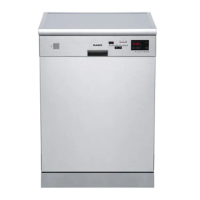
The BLANCO BFDW 650 S is a household dishwasher designed to clean and dry dishes, cutlery, and other kitchenware. It operates through a series of wash cycles, including prewash, main wash, rinses, and drying, to ensure thorough cleaning and streak-free results. The appliance features a control panel that allows users to select various washing programs tailored to different levels of soil and types of load. It also includes a rinse aid dispenser for enhanced drying performance and a detergent dispenser for effective cleaning. The dishwasher is designed for installation under a counter or as a freestanding unit, with adjustable features to integrate seamlessly into kitchen environments.

Usage Features

The dishwasher offers a user-friendly experience with several features designed for convenience and effective cleaning.

Loading the Appliance

Before loading, it is crucial to remove any large food scraps to prevent clogging the filters and ensure optimal performance. Very small items should not be loaded loosely to avoid them falling through the baskets.

  • Lower Basket: This basket is primarily for saucepans, lids, plates, and salad bowls. Serving dishes and large lids should be placed around the edge to allow the upper spray arm to rotate freely. The two rear rows of prongs in the lower basket can be lowered to accommodate larger items like pots, pans, and bowls. To lower them, pull slightly upwards and let them drop; to raise them, pull them up again.
  • Upper Basket: Designed for dessert plates, saucers, dinner plates (up to 24 cm in diameter), salad bowls, cups, and glasses. Items should be arranged on and under the fold-down cup racks to ensure water reaches all surfaces. Light items, such as plastic bowls, should be secured to prevent movement during the wash cycle. Before closing the door, always check that the spray arms can rotate freely.
  • Adjusting the Upper Basket Height: For washing very large plates (over 27 cm and up to 31 cm) in the lower basket, the upper basket can be moved to a higher position. To do this, pull the basket out, lift it upwards, and then push slightly downwards. In the higher position, the top basket can only accommodate plates up to 20 cm in diameter, and the raised cup racks cannot be used. To return the basket to its original position, lift it upwards and then push downwards.
  • Cutlery Basket: Cutlery should be placed in the removable basket with handles facing downwards. If handles obstruct the lower spray arm, load cutlery with handles facing upwards. Mix spoons with other cutlery to prevent sticking. Long-bladed knives and sharp items should be placed horizontally in the upper basket for safety. Always exercise caution when loading or unloading sharp items.

Use of Detergent

Only detergents specifically designed for dishwashers should be used.

  • Powder Detergents: Open the dispenser lid by pulling the catch, add the recommended amount of detergent (15-30g), and close the lid. If the program includes a prewash, add additional detergent over the lid of the dispenser.
  • Tablet Detergents: Place one tablet inside the detergent dispenser for all programs. Close the lid. For programs with a prewash, place a portion of another tablet on the lid of the detergent dispenser. Using insufficient detergent will lead to poor washing results, while excessive amounts are wasteful and contribute to pollution. Always ensure the detergent receptacle is empty after the wash cycle. The appliance supports compact detergents with enzymes, which are effective at temperatures as low as 50°C and are generally phosphate-free, offering an environmentally friendly cleaning solution.

Washing Programmes

The dishwasher offers several programs tailored to different needs:

  • NORMAL 65°C WITH PREWASH: For normal soil, crockery, and cutlery. Includes cold prewash, main wash at 65°C, one cold rinse, one hot rinse, and drying.
  • NORMAL 65°C NO PREWASH: For light soil, crockery, and cutlery. Includes main wash at 65°C, one cold rinse, one hot rinse, and drying.
  • BIO 50°C WITH PREWASH: For normal soil, crockery, and cutlery. Includes cold prewash, main wash at 50°C, one cold rinse, one hot rinse, and drying.
  • QUICK WASH 50°C: A special program for quick washing of a full load of lightly soiled dishes, glasses, and crockery (excluding pots). Includes main wash at 50°C, one cold rinse, one hot rinse, and drying.
  • RINSE AND HOLD: For any partial load to be completed later. Includes one cold rinse to prevent food scraps from sticking.

Operating Sequence

  1. Check Filters: Ensure filters are clean and correctly positioned.
  2. Check Rinse Aid: Verify that there is sufficient rinse aid.
  3. Load Dishes: Remove food scraps, load lower and upper baskets, and slide them back.
  4. Spray Arms: Ensure spray arms can rotate freely.
  5. Measure Detergent: Add the correct amount of detergent to the dispenser and close the lid.
  6. Close Door: Securely close the dishwasher door.
  7. Set Programme: Turn the selector dial to the desired program. Select the main wash temperature if necessary.
  8. Start Programme: Press the On/Off button. The MAINS ON indicator will light up, and the machine will start. To interrupt, press the button again.
  9. End of Programme: The dishwasher stops automatically. The MAINS ON light remains on until the On/Off button is pressed.
  10. Switch Off: Press the On/Off button and open the door. Wait a few minutes before unloading to allow dishes to cool and improve drying. Empty the lower basket first, then the upper, to prevent dripping.

Hints and Tips

  • Energy Saving: Load dishes immediately after meals, wait until the dishwasher is full before washing. Use the Rinse and Hold program if waiting to run a full wash. Do not prewash dishes under running water. Select economic programs for lightly soiled dishes.
  • Best Washing Results: Remove food scraps and soak heavily soiled pots. Arrange items upside-down. Tilt items with convex or concave surfaces for easy water drainage. Avoid dishes touching each other.
  • Items Not Suitable for Dishwashers: Cutlery with wooden/horn handles or glued parts, bronze cutlery, saucepans with wooden handles, aluminum ware, crystal ware, leaded glass, plastic items, antique or fine decorated china. Some decorations may discolour. Hand wash crystal and plastic items not guaranteed dishwasher-proof. Certain glass types may become opaque after repeated washing. Avoid washing silver and stainless steel cutlery together due to chemical reactions. Iron and cast iron items can rust and stain others. Aluminum, copper, pewter, and brass tend to stain. If in doubt, check with the item's manufacturer. When buying new dishes, ensure they are dishwasher-proof.

Maintenance Features

Regular maintenance is essential for the optimal performance and longevity of the BLANCO BFDW 650 S Dishwasher.

Internal Cleaning

  • Seals and Dispensers: Regularly clean the door seals, detergent, and rinse aid dispensers with a damp cloth.
  • Routine Wash: Every three months, run a 65°C wash program without dishes, using detergent, to keep the interior clean.

Cleaning the Central Filter (After Each Wash)

Food scraps can accumulate in the drain filter (A).

  1. Remove the drain filter by pulling it out by its handle.
  2. Rinse it under running water.
  3. Refit the filter by pushing it back until it engages.

Cleaning the Large Filter (Every Month)

The large filter (B) should be cleaned on both sides under running water using a brush.

  1. Remove the spray arm by pulling it upwards on one side.
  2. Turn the column (C) anticlockwise by 90° and slide out the filter.
  3. Clean the filter.
  4. Refit it by reversing the removal steps. Ensure the filter is in its original position, with the handle of the drain filter pointing towards the front of the appliance. The dishwasher must not be used without filters. Incorrect positioning or fitting of filters will lead to poor washing results. Cleaning the filters is vital for correct machine operation.

External Cleaning

Clean the external surfaces and control panel with a damp, soft cloth. Use only neutral detergents. Avoid abrasive products, scouring pads, or solvents (acetone, trichloroethylene).

Prolonged Periods of Non-Operation

If the machine will not be used for an extended period:

  1. Unplug the appliance and turn off the water supply.
  2. Fill the rinse aid dispenser.
  3. Leave the door ajar to prevent unpleasant smells.
  4. Ensure the inside of the machine is clean.

Frost Precautions

Avoid placing the machine where temperatures drop below 0°C. If unavoidable, empty the machine, close the door, disconnect the water inlet pipe, and drain it.

Moving the Machine

If the machine needs to be moved:

  1. Unplug it.
  2. Turn off the water tap.
  3. Remove the water inlet and discharge hoses.
  4. Pull the machine out with the hoses. Avoid over-tilting the machine during transport.

Troubleshooting

The manual provides a troubleshooting guide for common issues such as the machine not starting, not filling with water, blocked filters, non-rotating spray arms, drainage problems, noise, difficulty closing the door, and poor washing/drying results. Solutions typically involve checking power supply, water supply, hose connections, filter cleanliness, loading arrangement, detergent usage, and machine leveling. If problems persist after these checks, users are advised to contact an authorized Service Agent, quoting the model and serial number from the rating plate.

Service and Spare Parts

The product should only be serviced by an authorized Service engineer using genuine spare parts. Attempting repairs by inexperienced or unauthorized persons can cause injury, serious malfunction, and void the warranty. Always insist on genuine spare parts.

Blanco BFDW 650 S Specifications

General IconGeneral
TypeFreestanding
Number of programs6
Annual water consumption2520 L
Half loadYes
SizeFull-size
ProgramsEco, Glass
Delay startYes
Dimensions (H x W x D)600 x 600 mm

Related product manuals