Need help?
Do you have a question about the BOMANN KB 289 and is the answer not in the manual?
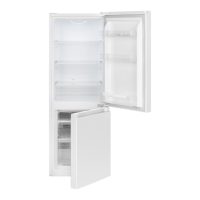
This document is a user manual for the BOMANN KB 289 Household Cooling Box with Ice Box, a compact refrigeration appliance designed for private use. The manual provides comprehensive instructions for installation, operation, maintenance, and troubleshooting, ensuring safe and efficient use of the device.
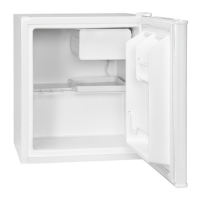
The BOMANN KB 289 is a household cooling box equipped with an integrated ice box, primarily intended for cooling and storing food items. Its main function is to maintain a low temperature environment to preserve the freshness of perishable goods. The ice box component allows for short-term storage of already frozen food and, more specifically, for the preparation of ice cubes. The appliance operates by circulating a refrigerant (Isobutane R600a) through a cooling circuit, which absorbs heat from the interior and dissipates it to the surroundings, thereby lowering the internal temperature. The temperature control mechanism allows users to adjust the cooling intensity according to their needs, ranging from a warmer setting to a colder one.
The KB 289 offers several features designed for user convenience and effective food storage. For installation, the manual emphasizes the importance of proper ventilation around the device, recommending minimum clearances from walls and other surfaces to ensure efficient heat dissipation and low power consumption. It also advises against exposing the device to direct sunlight or placing it near heat sources, and specifies that the appliance should only be installed indoors in a location with an ambient temperature suitable for its climate class. The electrical connection requires a grounded wall socket, and users are cautioned against using extension cables or operating the device with wet hands.
A notable usage feature is the ability to reverse the door opening, allowing the door to be hinged on either the right or left side to suit different kitchen layouts. This process involves carefully dismounting and remounting the hinges and associated parts, with a strong warning to disconnect the power supply before attempting this procedure.
Before first use, the manual instructs users to let the device stand for four hours after transport to allow the compressor oil to settle, preventing potential damage. The interior should also be cleaned before storing food. To turn on the device, users connect it to a wall socket and adjust the internal temperature control. The control offers settings from 0 (off) to 7 (maximum coldness), with recommended initial operation at the highest setting until the desired temperature is reached, followed by adjustment to a medium setting for easier fine-tuning.
For storing food, the manual advises covering or packing all items to prevent drying out and the transfer of odors or tastes. Suitable packing materials include polyethylene plastic bags or foil, plastic containers with lids, special elasticated plastic covers, and aluminum foil. Fresh food and drinks should be stored on the glass shelves, while fresh fruits and vegetables can be placed in the vegetable box. Meat should be well-packed and stored for a maximum of two to three days, avoiding contact with cooked dishes. Warm food should be allowed to cool down before being placed in the refrigerator.
The ice box provides short-term storage for frozen food at temperatures up to -4°C, but its primary purpose is ice cube preparation. Regular defrosting is recommended to maintain efficient cooling and save energy. The defrosting process involves turning off the device, disconnecting the plug, removing food items, and allowing the ice to melt naturally. Users are strictly warned against using metal objects to remove ice from the vaporizer, as this can cause serious damage.
The manual also addresses operating noise, categorizing typical sounds like mumbling from the compressor, liquid sounds from the refrigerant circulation, and click sounds from the temperature control as normal. It also mentions potential disturbing noises from vibrating shelves or cooling coils, suggesting users check if these are securely fastened.
To turn off the device, the temperature control should be set to 0. If the device will not be used for an extended period, all food should be removed, the device turned off and unplugged, thoroughly cleaned, and the door left open to prevent bad odors.
Maintenance of the BOMANN KB 289 focuses primarily on regular cleaning and care to ensure hygiene and prolong the device's lifespan. The manual provides clear instructions for cleaning the interior and accessory parts. A crucial safety precaution for maintenance is to always disconnect the device from the power supply before cleaning. Users are warned against using steam cleaners, as moisture can damage electrical components and hot steam can harm plastic parts. The device must be completely dry before restarting operation. Additionally, users are advised to avoid using essential oils, organic solvents, or abrasive cleaning agents, as these can damage plastic parts.
The cleaning process involves removing all food items and storing them in a cool location. The interior, including the rear side and bottom, should be cleaned with warm water and a mild detergent. After cleaning, the device must be thoroughly dried before being reconnected and restarted. The manual also warns against bending the cooling coils or using abrasive materials during cleaning.
In terms of troubleshooting, the manual provides a table of common problems, possible causes, and solutions. For example, if the device is not working properly, users are advised to check if the plug is securely connected, if the safety mechanism of the wall socket has been triggered, if the temperature control is set correctly, if the installation location is suitable, if food items are obstructing the door, or if ventilation is blocked. For loud noises, users should check if the device is level. If water appears on the bottom, they should check the temperature settings. The manual notes that condensation on the outer surface during high humidity is normal and can simply be wiped off. For any persistent problems, users are directed to contact their distributor or a technician, emphasizing that servicing of electrical devices should only be performed by qualified experts to avoid risks and maintain warranty validity.
The manual also includes a section on tips for saving energy, which can be considered a maintenance-related feature as it promotes efficient operation. These tips include disconnecting the plug when not in use, avoiding installation near heat sources, ensuring sufficient ventilation, not blocking ventilation openings, allowing warm dishes to cool before placing them in the device, not opening the door longer than necessary, setting the temperature only as low as needed (ideal temperature is 7°C), regular defrosting, and ensuring the door sealing is in good order.
 General
| Category | Freezer |
|---|---|
| Freezing capacity | 2 kg/24h |
| Climate class | N~ST (+16°C ~ +38°C) |
| Noise level | 41 dB(A) |
| Energy efficiency class | A+ |
| Defrosting System | Manual |
| Dimensions (H x W x D) | 51 x 44 x 47 cm |

 To Next Page