Need help?
Do you have a question about the Bort BHR-2000-Pro and is the answer not in the manual?
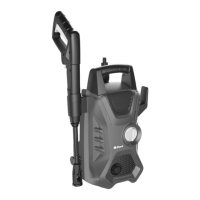
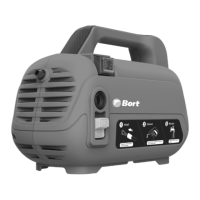
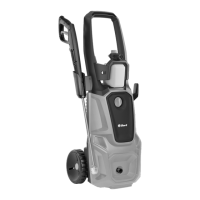
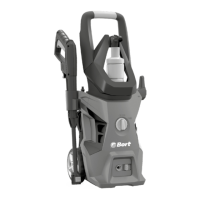
The Bort BHR-2000-Pro is a high-pressure cleaner designed for quick and efficient cleaning of vehicles, machines, boats, and buildings. It effectively removes stubborn dirt using clean water and chemical detergents. When using chemical detergents, only biodegradable types should be used. Cleaning of vehicle engines should only be done in areas equipped with suitable oil traps.
The complete set includes an adjustable spray nozzle and a pressure hose.
Electrical Safety: Always verify that your mains voltage matches the value on the type plate. When replacing old cables or plugs, dispose of them immediately. Using a loose cable plug in a socket is dangerous. If using extension cables, ensure they are approved for the machine's power, with cores having a diameter of at least 1.5 mm². If the extension cable is on a reel, unroll it completely. All outdoor electrical connections must be waterproof and marked accordingly, and extension cables must be three-core with an EARTH connection.
Immediate Shutdown: Switch off the machine immediately in case of a malfunction in the mains plug, power cable, or cable damage; a broken switch; smoke or stench of scorched insulation.
Specific Safety Rules: The user manual is an essential part of the cleaner equipment and should be kept for future reference. If the cleaner is sold, the manual must be handed to the new owner. Before starting, ensure the cleaner is receiving water correctly; operating without water can damage the seals. Do not disconnect the plug by pulling on the electrical cable. If you are too far from the object to be cleaned, do not move the cleaner by pulling on the high-pressure hose; use the handle provided. For versions without a TSS device, do not operate the cleaner for more than 1-2 minutes with the gun closed, as this can damage the seals. Protect the cleaner from freezing in winter. Do not obstruct the ventilation grilles during operation. The cross-section of any extension cables used must be proportional to their length.
Adjusting Fan Pattern: The spray angle can be adjusted by rotating the nozzle, ranging from a 0° narrow high-impact stream to a 60° wide fan spray. A narrow stream provides high impact for deep cleaning in concentrated areas but must be used cautiously to avoid surface damage. A wide fan pattern distributes water impact over a larger area, reducing surface damage risk and allowing faster cleaning of large areas.
Nozzle Cleaning: A clogged or partially clogged nozzle can significantly reduce water flow and cause pulsation. To clean the nozzle:
Angle to the Cleaning Surface: Maximum impact is generated when water strikes the surface head-on, but this can embed dirt. The optimum angle for spraying water against a cleaning surface is 45 degrees, providing beneficial impact force and efficient debris removal.
Distance from Cleaning Surface: Impact force increases as the nozzle is moved closer to the surface.
Avoiding Damaging Surfaces: Damage occurs when water impact force exceeds surface durability. To avoid damage:
Detergents: Detergents significantly reduce cleaning time and aid in removing difficult stains. Use only detergents formulated for pressure washers. Thicker detergents, like dish soap, can clog the chemical injection system. Detergents work best when applied at low pressure. For vertical surfaces, apply detergent from bottom to top to prevent streaks. High-pressure rinsing should also progress from bottom to top.
Detergent Application (Units with Detergent Applicator):
Final Rinse: Start the final rinse at the bottom and work upward, ensuring all detergent is thoroughly removed.
Shut Down:
Suction Function: The high-pressure cleaner can draw water from sources without pressure, such as taps or pumps. To use the suction function, remove the suction hose from the supply and move the gun nozzle to the "Low" position. Run the cleaner idle for a few seconds to drain excess water and release air. Insert the suction hose into the water source. After some water drains, move the gun nozzle to the "High" position. The cleaner is now ready for high-pressure work.
Storage: Do not store the pressure washer outdoors or where it might freeze.
Tips for Extending Life:
Troubleshooting:
General Maintenance: After each use, wipe the device body and ventilation openings with a soft, damp cloth or napkin. Do not use solvents like gasoline, alcohol, or ammonia, as they can damage the device body.
Filter Check: Regularly inspect and clean the filter of the inlet pipe to prevent clogging and reduced water supply to the pump.
Lubrication: The device does not require additional lubrication.
Storage: Store the washer in well-ventilated rooms at temperatures no lower than +5°C. Long periods of inactivity can lead to limescale deposits.
Troubleshooting: In case of malfunctions, contact the SBM Group service center.
Environmental Protection: Dispose of unwanted tools, accessories, and packaging at the nearest recycling facility.
 General
| Brand | Bort |
|---|---|
| Model | BHR-2000-Pro |
| Category | Pressure Washer |
| Language | English |

 To Next Page