en Environmental protection
12
7 Environmental
protection
Environmental protection
Packaging/old appliance
Energy-saving tips
■ Spin the laundry before drying.
The drier the laundry, the shorter
the drying time will be, thus
consuming less energy.
■ Load the dryer with the maximum
load.
Note: Do not exceed the maximum
load for the programs, as this
prolongs the drying time
and increases energy consumption.
■ Ventilate the room and keep the air
inlet on the dryer free to ensure air
exchange.
■ Clean the fluff filter after each drying
cycle. If the fluff filter is dirty,
the drying time is prolonged
and energy consumption is
increased.
■ Energy saving mode: If the dryer is
not operated for a prolonged period,
it automatically switches off before
the program starts and when
the program has ended to save
energy. The display panel
and indicator lamps go off after
a few minutes and the Start button
flashes. To activate the lighting,
press any button, open or close
the dryer door or turn the program
selector.
5 Installation and
connection
Installation and connection
Scope of delivery
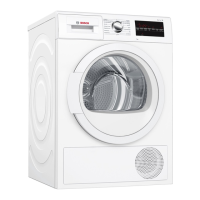
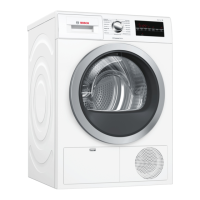
■ Dryer
■ Installation and operating
instructions
■ Basket for woollens
*
■ Condensation drain*
Installing and connecting the
dryer
:Warning
Risk of death!
There is a risk of electric shock as the
dryer is operated with electricity.
■ Check the dryer for visible damage.
You must not operate the dryer if it is
damaged.
■ Before connecting the dryer to the
power supply, ensure that the
electric voltage specified on the
rating plate matches the voltage of
your socket.
■ Only use residual current circuit
breakers with the following symbol:
z.
)
Dispose of packaging in an
environmentally-responsible
manner.
This appliance is labelled in
accordance with European
Directive 2012/19/EU
concerning used electrical and
electronic appliances (waste
electrical and electronic
equipment - WEEE).
The guideline determines the
framework for the return and
recycling of used appliances
as applicable throughout the
EU.
* Depending on the model



 To Next Page