EasyManua.ls Logo

Bouncyband Comfy Peapod - User Manual

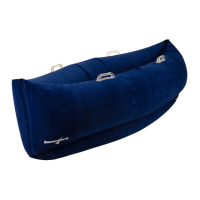
Bouncyband Comfy Peapod
2 pages
Print Icon
To Next Page IconTo Next Page
Loading...
Repair Instructions:
1)
hard surface. Use a soft damp rag or sponge to clean the area and
remove any excess dirt or other particles
2) Do NOT
continue repair when surface is moi
st! Make sure the
area is completely dry before continuing to proceed
3)
that the top and bottom are touching and smooth so there are no
wrinkles. Clean the damaged area with rubbing alcohol and do
the same for the patch
4)
Cut a smooth circular or oval patch with no sharp or irregular
edges from the patch material provided. The patch should be 1”
wider or more around the perimeter than the hole all around
5) Lay the patch without glue on top of the hole with the shiny side
facing down. The patch should be covering the hole with the edge of
each
section of the patch an equal distance from the edge of the hole
DO NOT GLUE
6)
moist dry
patch
hole size
1 inch extra
material for
around the hole
place patch evenly
over the hole
hole under
patch
trace outside of the patch onto the surface of the comfy
peapod. Use a light colored crayon or colored pencil to
create the circle on the peeped. The tracing line should be 1
inch bigger than the hole on each side so the tracing should
be at least one inch away from the hole on all points
7) Apply a thin, even coat of glue from the patch kit to the shiny
side of the patch. Apply and spread the glue onto the peapod inside and just
outside of the traced line. Be sure that the edges of the whole patch would
later t inside the glue area - DO NOT APPLY THE PATCH
If you have any questions, please
visit:
bouncyband.com/pages/installation-guide
contact us. Phone: (646) 926-2440
email: sales@bouncyband.com
Question and Answer IconNeed help?

Do you have a question about the Bouncyband Comfy Peapod and is the answer not in the manual?

Summary

Repair Instructions for Comfy Peapod

Prepare and Clean Surfaces

Deflate the Peapod, clean the area and patch with rubbing alcohol, ensuring the surface is completely dry.

Cut and Position Repair Patch

Cut a smooth patch 1 inch wider than the hole and position it without glue, marking the placement area.

Apply Glue and Secure Patch

Apply glue to the patch and peapod, let it set, carefully place the patch, and rub intensely to secure.

Bonding and Final Check

Place a heavy object on the patch for 24-36 hours, then check security and re-inflate the Peapod.

Overview

This document outlines the repair instructions for a "Bouncyband Comfy Peapod," which appears to be an inflatable seating or sensory device. The instructions detail a patching process to fix punctures or damage.

Function Description:

The Bouncyband Comfy Peapod is an inflatable device, likely designed for seating or sensory input, given the "Comfy Peapod" name and the need for inflation/deflation. Its primary function is to provide a comfortable and possibly calming space for users. The repair instructions focus on restoring the device's inflatable integrity after it has been punctured or damaged, ensuring it can hold air and maintain its intended shape and function.

Usage Features (Implied from Repair Instructions):

  • Inflatable Design: The device is designed to be inflated for use and deflated for storage or repair. This suggests portability and adjustable firmness or shape depending on inflation level.
  • "Comfy Peapod" Name: Implies a design that cradles or envelops the user, providing a sense of comfort and security.
  • Sensory/Therapeutic Potential: While not explicitly stated, products from "Bouncyband" often cater to sensory needs, suggesting this peapod might offer proprioceptive input or a calming environment.
  • Repairable: The provision of detailed repair instructions and a patch kit indicates that the device is designed for longevity and can be mended if damaged, extending its lifespan.

Maintenance Features (Repair Process):

The document provides comprehensive instructions for repairing a puncture in the Bouncyband Comfy Peapod. This process can be broken down into several key steps:

  1. Preparation:

    • Deflation: The first step is to completely deflate the Comfy Peapod. This is crucial for creating a flat, stable surface for repair and preventing air from interfering with the patch application.
    • Surface Cleaning: The repair area on the peapod and the surrounding hard surface must be cleaned with a soft damp rag or sponge to remove dirt and particles. This ensures proper adhesion of the patch.
    • Drying: The surface must be completely dry before proceeding with the repair. Moisture can compromise the glue's effectiveness.
    • Flattening: The deflated top and bottom of the peapod must be flattened so they touch, ensuring a smooth, wrinkle-free surface around the damaged area.
    • Alcohol Cleaning: The damaged area and the patch itself need to be cleaned with rubbing alcohol. This step is vital for removing oils and residues that could prevent the glue from bonding effectively.
  2. Patch Preparation:

    • Patch Shape and Size: A smooth circular or oval patch must be cut from the provided material. It's critical that the patch has no sharp or irregular edges, as these could lift or create weak points. The patch must be at least 1 inch wider than the hole around its entire perimeter, ensuring ample overlap for a secure seal.
  3. Patch Placement and Tracing:

    • Initial Placement (Dry): The patch is initially laid over the hole with the shiny side facing down, without glue. The goal is to position it so that the hole is centered, with an equal distance from the hole's edge to the patch's edge on all sides. This step is explicitly without glue to allow for precise positioning.
    • Tracing: To mark the exact placement, the outline of the patch is traced onto the peapod's surface using a light-colored crayon or colored pencil. This tracing line should be 1 inch larger than the hole on each side, meaning it should be at least 1 inch away from the hole at all points. This traced line serves as a guide for glue application, ensuring the glue extends beyond the patch's edge for a strong bond.
  4. Glue Application:

    • Patch Side: A thin, even coat of glue from the patch kit is applied to the shiny side of the patch.
    • Peapod Side: Glue is also applied to the peapod's surface, specifically inside and just outside the traced line. It's crucial that the glue area is large enough to encompass the entire patch. A critical instruction is DO NOT APPLY THE PATCH (meaning, do not apply the patch to the peapod yet, only apply the glue to the patch and the peapod). This implies a waiting period for the glue to become tacky.
  5. Curing and Adhesion:

    • Tack Time: The glue is allowed a short time (3-6 minutes) to set and become slightly sticky. This "tack time" is essential for optimal adhesion.
    • Final Placement: The patch is then carefully placed over the hole, aligning it precisely with the traced line on the peapod.
    • Intense Rubbing: A smooth, hard tool is used to rub the patch intensely, securing it properly to the peapod. This pressure helps to eliminate air bubbles and ensure a strong bond.
    • Weight Application: A flat, heavy object (e.g., a thick book) is placed over the patched area for 24-36 hours. This sustained pressure is critical for the glue to cure completely and form a durable, airtight seal.
  6. Post-Repair Check and Re-inflation:

    • Security Check: After 24 hours, the patch is checked to ensure it is 100% secure. This involves visually inspecting the edges and gently testing the adhesion.
    • Re-inflation: Once the patch is confirmed to be secure, the Cozy Peapod can be re-inflated.

Important Technical Specifications (Implied):

  • Patch Material: The patch material is described as having a "shiny side," which is where the glue is applied. This suggests a specific type of flexible, durable material suitable for inflatable repairs.
  • Glue Type: The instructions imply a contact adhesive or a similar glue that requires a "tack time" and pressure for optimal bonding.
  • Patch Size Requirement: The patch must be at least 1 inch wider than the hole, indicating the need for a significant overlap to ensure a strong, leak-proof seal.
  • Curing Time: A 24-36 hour curing period under weight is specified, highlighting the importance of allowing sufficient time for the adhesive to fully bond and strengthen.

The document also provides contact information for customer support, including a phone number (646) 926-2440 and an email address (sales@bouncyband.com), and directs users to bouncyband.com/pages/installation-guide for video inflation instructions, indicating that the product likely has specific inflation requirements beyond just patching.

Bouncyband Comfy Peapod Specifications

General IconGeneral
BrandBouncyband
ModelComfy Peapod
CategoryIndoor Furnishing
LanguageEnglish